Monday, February 16, 2026

The Unspoken Bond: How a Console, a Wheelchair, and a Dream Changed Lives
The Unspoken Bond: How a Console, a Wheelchair, and a Dream Changed Lives

Some moments in life do not simply pass — they return, quietly, carrying memories, meaning, and unfinished emotions.

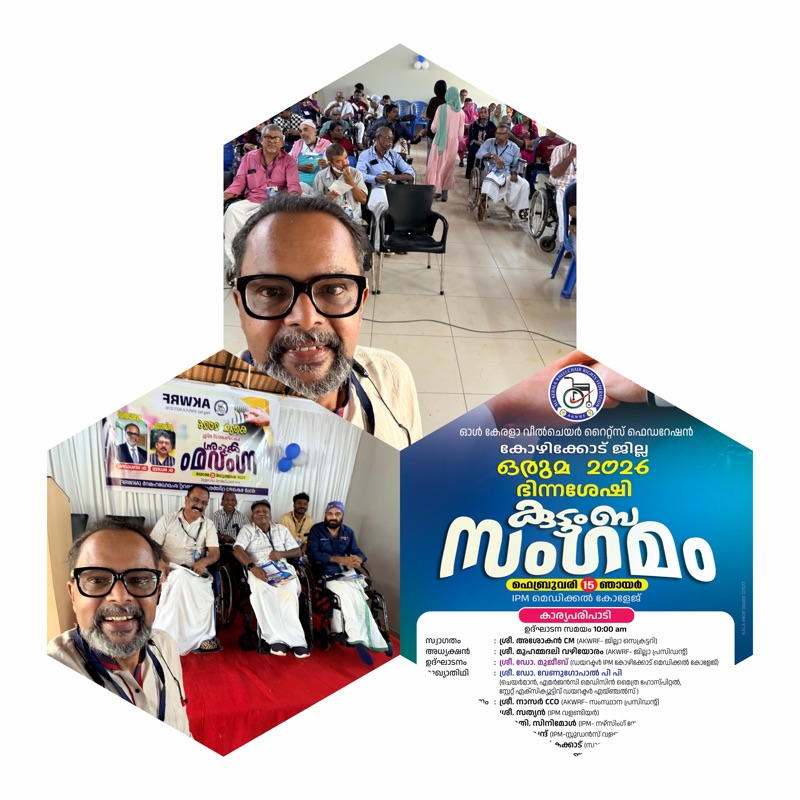
Recently, as I stepped into the family gathering of the All Kerala Wheelchair Rights Federation at IPM Kozhikode, I felt an invisible current pull me back fifteen years. The sight of families gathered on the beach — laughter mingling with resilience, challenges softened by companionship — awakened memories of a journey that began in 2011. It was not merely a project or an initiative; it was an experiment in humanity, dignity, and social engineering that transformed lives — including my own.
The Genesis of Angels

In 2011, alongside visionary individuals like Dr. PB Salim IAS, Dr. Meharoof, and several passionate collaborators, we established Angels — the Active Network of Emergency Life Savers.
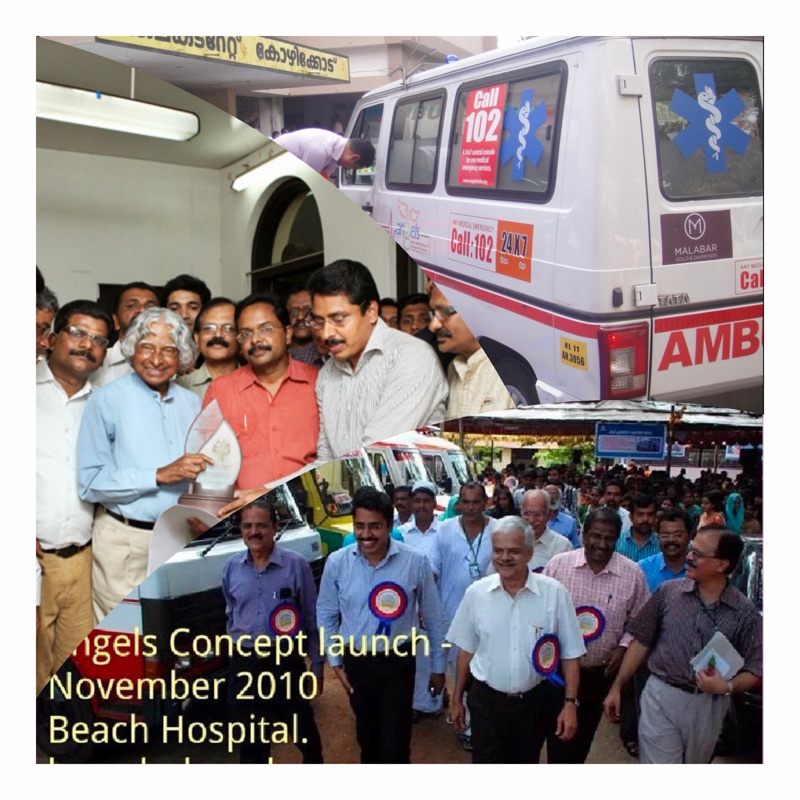
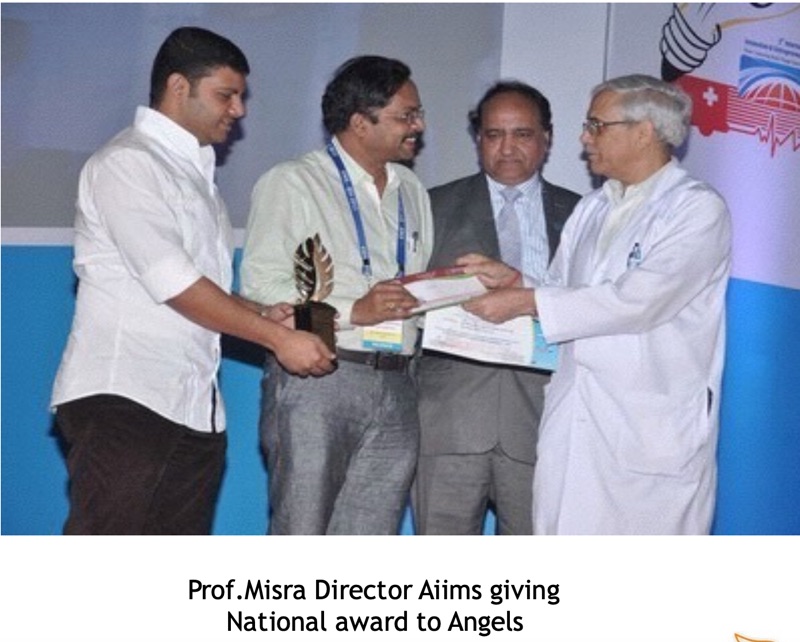
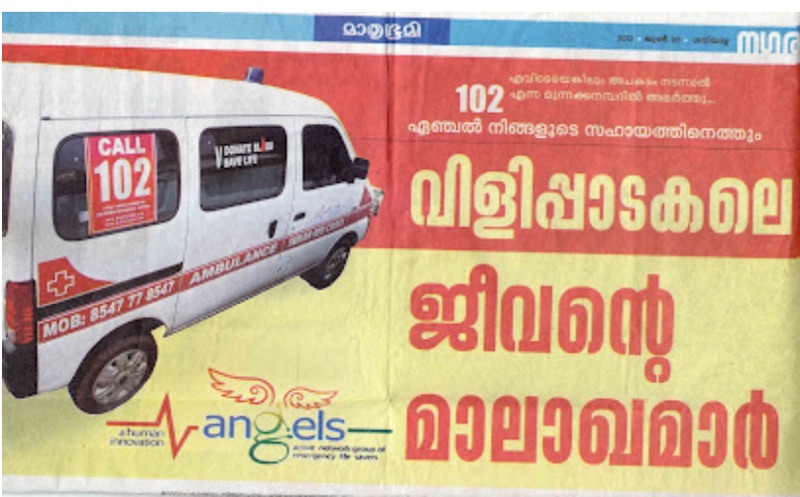
Angels concept launch and official Launch


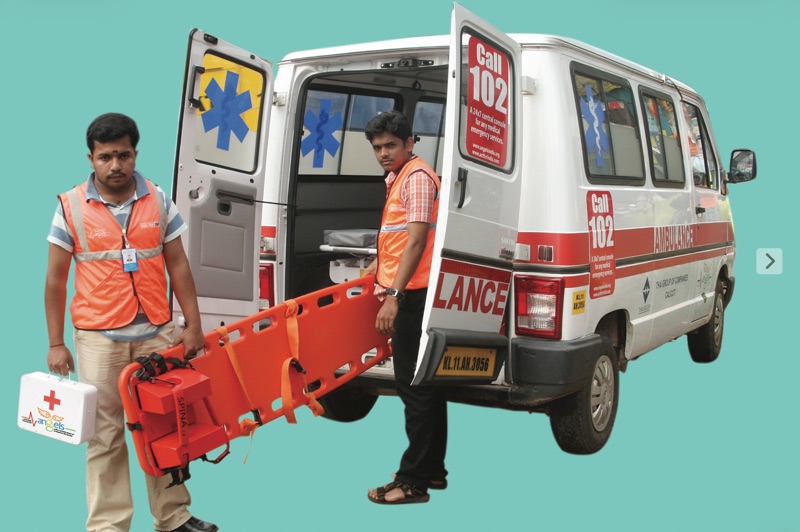
At its core, Angels was designed to solve a critical logistical problem: how to save lives by creating a unified emergency response network. Our aim was ambitious — to connect nearly 600 ambulances across five districts using GPS/GPRS technology, standardize emergency response systems, and introduce structured protocols that could improve survival outcomes.

We pioneered several innovations, including making spine boards mandatory in ambulances — a step that today feels obvious but at the time required advocacy, persuasion, and persistence.

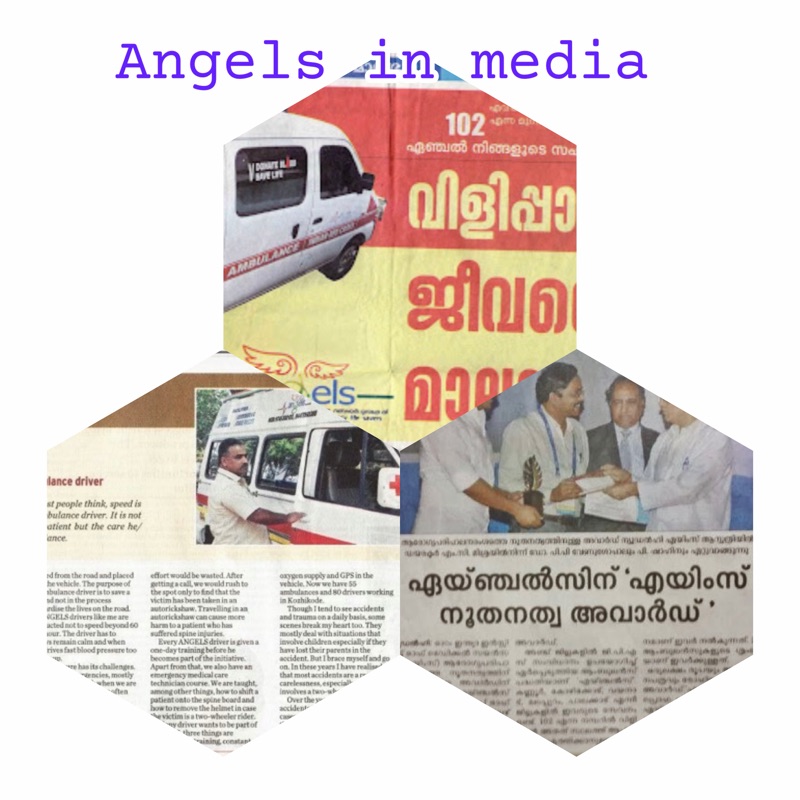
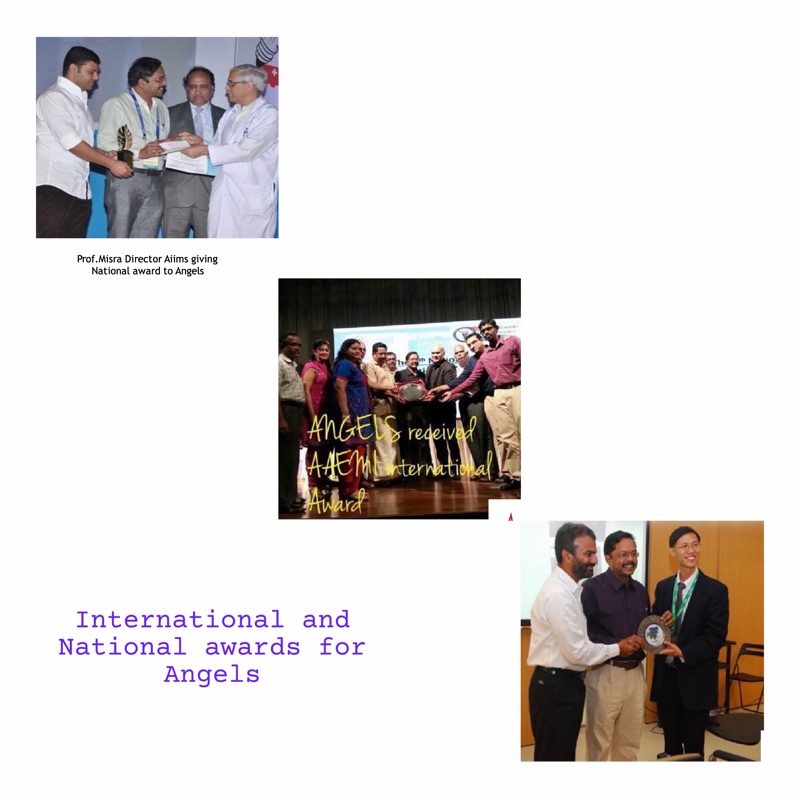
The project grew rapidly. It gained recognition nationally and internationally for its effectiveness in disaster response and emergency coordination. Lives were saved. Systems improved. Standards evolved.

But the most meaningful innovation that emerged from Angels was not technological.

It was deeply human.
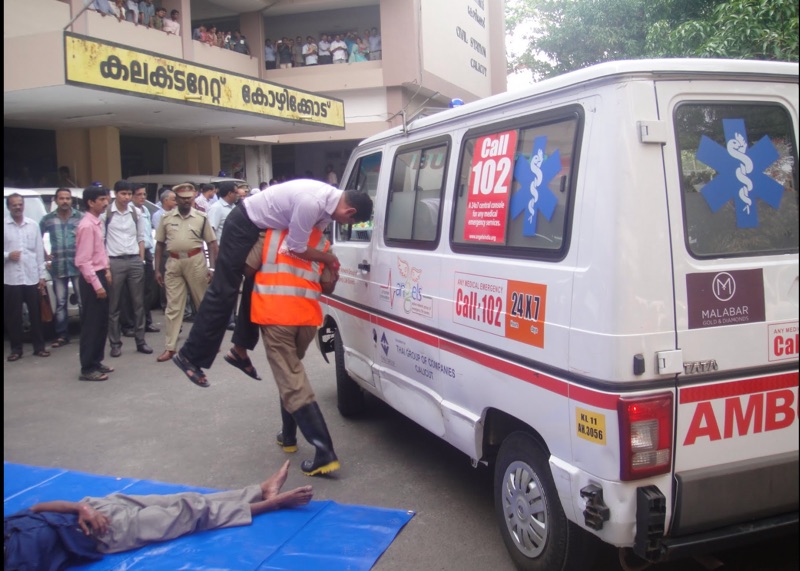
Kozhikode district collector campus mock drill


The Console of Empowerment

When the time came to establish the central ambulance command console at IPM Kozhikode, we faced an unexpected question:

Who should sit behind the emergency line — the toll-free number 102 — the first human voice that a distressed caller would hear?

We decided to challenge conventional thinking.
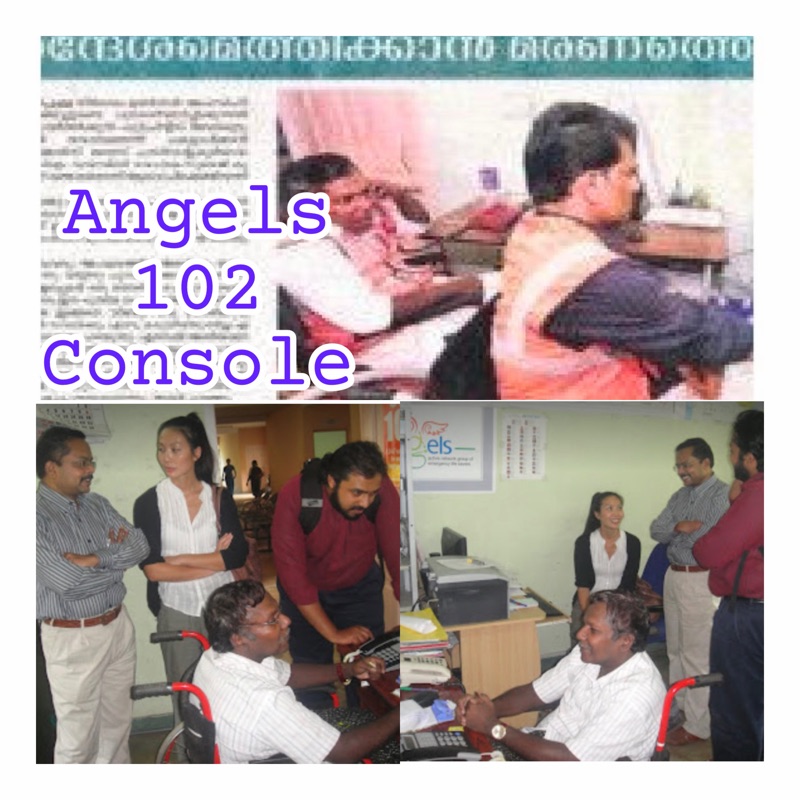
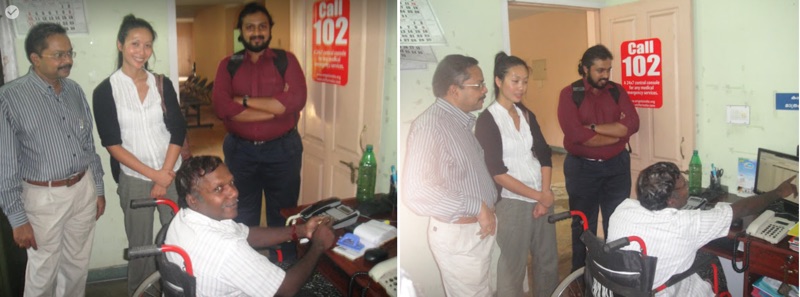
Angels -102 Console manned by two differently-abled trauma victims  


Instead of hiring traditional call operators, we chose to employ paraplegic wheelchair users — individuals who had themselves experienced trauma, survival, and rehabilitation.

It was a bold decision, rooted in a simple belief: ability is not defined by physical mobility but by purpose and perspective.

Thus began one of the most meaningful chapters of Angels.

Mr. Mohammadali and Mr. Subhash (Differently abled)became our first console operators along with Mr .Sirajudheen and Mr Asokan both were no more with us today .

They did not merely answer calls.

They felt them.

Every emergency call carried a resonance that others could not fully understand. They had lived through trauma. They knew the fear of waiting for help, the vulnerability of depending on systems, and the urgency of every second.

Their lived experience transformed empathy into action.

Calls were handled with an intensity and sincerity that was deeply moving. They were not just dispatchers coordinating logistics; they were survivors ensuring that someone else would not feel alone in their moment of crisis.

Console at IPM Calicut

From “Useless” to Indispensable

Years later, as I stood among the members of the Wheelchair Rights Federation, I watched Mr. Mohammadali preside over the function.

When he spoke, the atmosphere shifted.

With emotion in his voice, he described his time at the console as the “most beautiful days of our life.”

Before Angels, he said, many people had seen them as “useless.”

The word hung heavy in the air — a reminder of how society often defines people by limitations rather than by potential.

Angels had not simply offered employment.

It had restored dignity.

It had given purpose.

It had allowed individuals once marginalized to become central figures in a life-saving network.

I remembered how Mohammadali, despite being a full-time wheelchair user, travelled tirelessly across districts with us to promote the Angels concept. His presence challenged perceptions more effectively than any presentation or policy could.

The project revealed a profound truth:

The differently abled are not a burden on society — they are an untapped reservoir of strength, resilience, and capability.

They are, truly, gems waiting to be recognized.
The Unspoken Bond

Spending that day with them was deeply emotional.

There are bonds formed not through words but through shared struggle, mutual respect, and a collective dream to create something larger than ourselves.

Fifteen years later, the technology may have evolved, systems may have changed, and projects may have ended or transformed — but the human connections remain.

Those moments reminded me that true innovation lies not merely in machines, protocols, or infrastructure.

It lies in recognizing human potential where others fail to see it.
A Renewed Commitment

As I left the gathering, I felt a renewed sense of responsibility.

The journey with Angels taught me that meaningful change happens when we focus on capability rather than limitation, inclusion rather than charity, empowerment rather than sympathy.

There are still countless opportunities waiting to be created — roles that can harness resilience, lived experience, and courage.

The year ahead must include new initiatives that open doors for these extraordinary individuals, not as beneficiaries but as partners and leaders.

Because sometimes, the most powerful emergency response system is not built on technology alone.

It is built on trust.

On dignity.

On the unspoken bond between those who have suffered and those who choose to serve.
Malayalam version

അറിയപ്പെടാത്ത ബന്ധം — ഒരു കോൺസോൾ, ഒരു വീൽചെയർ, ഒരു സ്വപ്നം

ചില നിമിഷങ്ങൾ സമയത്തിനൊപ്പം അവസാനിക്കുന്നില്ല. അവ നമ്മെ വീണ്ടും തേടിയെത്തും — ശബ്ദമില്ലാതെ, പക്ഷേ ഹൃദയം മുഴുവൻ നിറയ്ക്കുന്നൊരു ഭാരവുമായി.

ഐ.പി.എം കോഴിക്കോട് നടന്ന ഓൾ കേരള വീൽചെയർ റൈറ്റ്സ് ഫെഡറേഷൻ കുടുംബസംഗമത്തിലേക്ക് ഞാൻ നടന്ന് കടന്നപ്പോൾ അങ്ങനെ ഒരനുഭവം എന്നെ സ്പർശിച്ചു. ഇളം ക്കാറ്റിൽ ചാലിച്ച ചിരികളും, വീൽചെയറുകളിൽ സഞ്ചരിച്ച ആത്മവിശ്വാസവും, കുടുംബങ്ങളുടെ നിശ്ശബ്ദ ഐക്യവും — എല്ലാം ചേർന്ന് പതിനഞ്ച് വർഷങ്ങൾക്ക് മുമ്പ് ആരംഭിച്ച ഒരു യാത്രയുടെ ഓർമ്മകളെ വീണ്ടും ഉണർത്തി.

അത് ഒരു പ്രോജക്ട് മാത്രമായിരുന്നില്ല.

അത് മനുഷ്യരെ വീണ്ടും കണ്ടെത്തിയ ഒരു കഥയായിരുന്നു.

എയ്ഞ്ചൽസ് — ഒരു സ്വപ്നത്തിന്റെ വിത്ത്

2011-ൽ, ഡോ. പി.ബി. സലിം IAS, ഡോ. മെഹറൂഫ് എന്നിവരോടൊപ്പം ഞങ്ങൾ ചിലർ ചേർന്ന് “Angels — Active Network of Emergency Life Savers” എന്ന ആശയം രൂപപ്പെടുത്തിയപ്പോൾ, ഞങ്ങൾക്കുണ്ടായിരുന്ന സ്വപ്നം ലളിതമായിരുന്നു — അടിയന്തര സാഹചര്യങ്ങളിൽ ജീവൻ നഷ്ടപ്പെടാതിരിക്കാൻ ഒരു നെറ്റ്‌വർക്ക് സൃഷ്ടിക്കുക.

അഞ്ച് ജില്ലകളിലായി നൂറുകണക്കിന് ആംബുലൻസുകൾ ഒരു ദൃശ്യാതീത നാഡീവ്യൂഹമായി ബന്ധിപ്പിക്കുക. സാങ്കേതികവിദ്യയുടെ സഹായത്തോടെ പ്രതികരണ സമയം കുറയ്ക്കുക. ഒരു ജീവിതത്തിനും മറ്റൊന്നിനുമിടയിലെ നിമിഷങ്ങൾ രക്ഷിക്കുക.

കേരളത്തിൽ ആദ്യമായി ആംബുലൻസുകളിൽ സ്പൈൻ ബോർഡ് നിർബന്ധമാക്കിയത് ആ യാത്രയുടെ ഭാഗമായിരുന്നു.

പക്ഷേ പിന്നീടറിഞ്ഞത് — യഥാർത്ഥ നവീകരണം യന്ത്രങ്ങളിലല്ല, മനുഷ്യരുടെ ഹൃദയത്തിലാണ് എന്നായിരുന്നു.

കോൺസോൾ — ഒരു പുതുജന്മത്തിന്റെ വാതിൽ

ഐ.പി.എം കോഴിക്കോട് കേന്ദ്ര കൺട്രോൾ കോൺസോൾ ആരംഭിക്കുമ്പോൾ, ഞങ്ങൾ ചോദിച്ചു:

ആദ്യമായി സഹായത്തിനായി വിളിക്കുന്ന ഒരാളുടെ ശബ്ദം കേൾക്കുന്നവൻ ആരായിരിക്കണം?

ഉത്തരം സാധാരണമായിരുന്നില്ല.

പാരാപ്ലീജിക് വീൽചെയർ ഉപയോക്താക്കളെ കോൺസോൾ ഓപ്പറേറ്റർമാരാക്കാൻ തീരുമാനിച്ചു.

അത് കരുണയുടെ തീരുമാനം അല്ലായിരുന്നു.

അത് വിശ്വാസത്തിന്റെ തീരുമാനമായിരുന്നു.

ശ്രീ മുഹമ്മദ് അലി, ശ്രീ സുഭാഷ് — അവർ കോൺസോളിൽ ഇരുന്നപ്പോൾ, കോളുകൾ നമ്പറുകളായി മാറിയില്ല. ഓരോ കോളും ഒരു കഥയായി, ഒരു വേദനയായി, ഒരു ഉത്തരവാദിത്വമായി മാറി.

കാരണം അവർക്ക് ആ വേദന പരിചിതമായിരുന്നു.

അവർ ഒരിക്കൽ സഹായത്തിനായി കാത്തിരുന്നവരാണ്.

അതുകൊണ്ട് അവരുടെ ഓരോ പ്രതികരണവും ഒരു മനുഷ്യന്റെ സ്പന്ദനമായിരുന്നു.

“ഉപയോഗമില്ലാത്തവർ” എന്ന് വിളിക്കപ്പെട്ടവരുടെ പുനർജനനം

വർഷങ്ങൾക്കുശേഷം, മുഹമ്മദ് അലി വേദിയിൽ നിന്നു സംസാരിക്കുമ്പോൾ, അദ്ദേഹത്തിന്റെ വാക്കുകൾ വായുവിൽ അലിഞ്ഞില്ല — ഹൃദയങ്ങളിൽ പതിഞ്ഞു.അവരോടൊപ്പം ഉണ്ടായിരുന്ന സിറാജുദ്ധീനും അശോകനും (അംഗ പരിമിതർ ആയിരുന്നല്ല ) ഇന്ന് നമ്മുടെ കൂടെ ഇല്ല .

“ആ ദിവസങ്ങളാണ് ജീവിതത്തിലെ ഏറ്റവും മനോഹരമായ സമയം,” അദ്ദേഹം പറഞ്ഞു.

കാരണം അതിനു മുമ്പ് സമൂഹം പലപ്പോഴും അവരെ “ഉപയോഗമില്ലാത്തവർ” എന്നാണ് കണ്ടിരുന്നത്.

എയ്ഞ്ചൽസ് അവർക്കു നൽകിയതൊരു ജോലി മാത്രമല്ലായിരുന്നു.

അതൊരു തിരിച്ചറിവായിരുന്നു.

“ഞാനും ആവശ്യമാണ്” എന്ന് പറയാനുള്ള അവകാശം.

വീൽചെയറിൽ ഇരുന്നുകൊണ്ട് തന്നെ ജീവൻ രക്ഷിക്കുന്ന ഒരു സംവിധാനത്തിന്റെ ഹൃദയമാകാനുള്ള അവസരം.

മുഹമ്മദ് അലി ഞങ്ങളോടൊപ്പം ജില്ലകളിലൂടെ സഞ്ചരിച്ച ദിവസങ്ങൾ ഓർമ്മയായി. അദ്ദേഹത്തിന്റെ സാന്നിധ്യം തന്നെ ഒരു സന്ദേശമായിരുന്നു — പരിമിതികൾ ശരീരത്തിലാണേ ഉള്ളൂ, ആത്മാവിൽ അല്ല.

വാക്കുകൾക്കതീതമായ ബന്ധം

ആ ദിവസം മുഴുവൻ അവരോടൊപ്പം ചെലവഴിച്ചപ്പോൾ, ഞാൻ തിരിച്ചറിഞ്ഞത് ഒരു സത്യമാണ്.

സിസ്റ്റങ്ങൾ മാറും.

സാങ്കേതികവിദ്യ പഴകും.

പദ്ധതികൾ അവസാനിക്കും.

പക്ഷേ മനുഷ്യബന്ധങ്ങൾ — പ്രത്യേകിച്ച് വേദനയും പ്രതീക്ഷയും ചേർന്ന് രൂപപ്പെടുന്ന ബന്ധങ്ങൾ — കാലത്തെ മറികടന്ന് നിലനിൽക്കും.

നമ്മൾ ഒരാളുടെ പരിമിതികൾക്കപ്പുറം കഴിവുകളെ കാണുന്ന നിമിഷമാണ് യഥാർത്ഥ മാറ്റത്തിന്റെ തുടക്കം.

പുതിയ പ്രതിജ്ഞ

അന്ന് വൈകുന്നേരം തിരിച്ചു പോകുമ്പോൾ മനസ്സിൽ ഒരു നിശ്ശബ്ദ പ്രതിജ്ഞ ഉണ്ടായിരുന്നു.

ഇനിയും ചെയ്യാനുള്ളത് ബാക്കി ഉണ്ട്.

ഈ സമൂഹത്തിലെ ഈ അത്ഭുതകരമായ ആത്മാക്കളെ സഹായം ലഭിക്കുന്നവരായി മാത്രമല്ല, മാറ്റത്തിന്റെ സ്രഷ്ടാക്കളായി കാണേണ്ട സമയം എത്തി.

കാരണം, ചിലപ്പോൾ ഏറ്റവും ശക്തമായ അടിയന്തര പ്രതികരണ സംവിധാനം ടെക്നോളജിയിലൂടെ ഉണ്ടാകുന്നില്ല.

അത് മനുഷ്യരുടെ ഇടയിലെ അദൃശ്യബന്ധത്തിലൂടെയാണ്.


Tuesday, February 10, 2026

Leadership and Teamwork in Emergency Medicine: Navigating Chaos with Precision

Leadership and Teamwork in Emergency Medicine: Navigating Chaos with Precision

The Emergency Department (ED) is often described as a VUCA environment: Volatile, Uncertain, Complex, and Ambiguous. In this high-stakes setting, clinical knowledge alone is insufficient to guarantee patient safety. The bridge between medical competence and successful outcomes is built on two non-technical skills: adaptive leadership and disciplined teamwork.

This article explores the mechanics of high-performance teams in Emergency Medicine, focusing on Crisis Resource Management (CRM), communication protocols, and the psychological architecture of effective leadership.

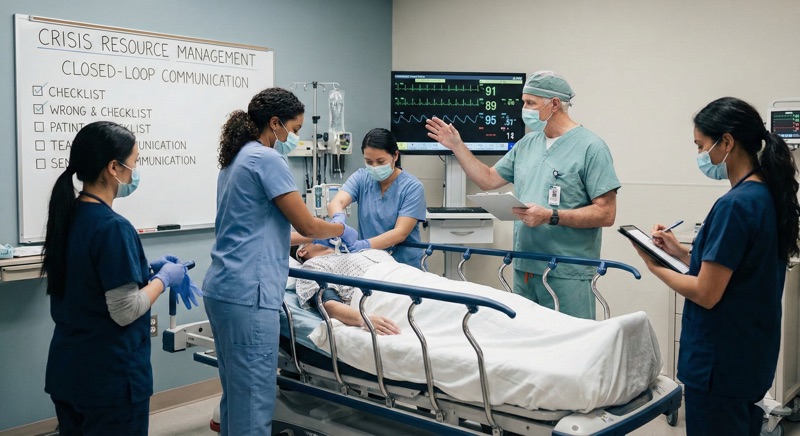
1. The Foundation: Crisis Resource Management (CRM)

Originally adapted from aviation (Crew Resource Management), CRM in emergency medicine is the framework used to manage human error and optimize decision-making during resuscitation and trauma cases.  

Resource Utilization: Effective leaders do not just manage medical equipment; they manage cognitive bandwidth. They identify who is overloaded and redistribute tasks accordingly.

Situational Awareness: The ability to perceive elements in the environment (the monitor, the nurse’s concern, the patient's pallor), comprehend their meaning, and project their status into the near future.  

• Fixation Error: A common pitfall where a team focuses on a single distracting injury (e.g., a gruesome open fracture) while missing a life-threatening airway compromise. A leader’s primary role is to prevent this tunnel vision.

2. The Anatomy of Communication

In the noise of a "Code Blue" or a mass casualty incident, ambiguity is the enemy. High-functioning teams rely on rigid communication structures to cut through the chaos.

Closed-Loop Communication

This is the gold standard for ordering interventions.

1. Sender: "Sarah, please administer 1mg of Epinephrine IV."

2. Receiver: "Administering 1mg of Epinephrine IV."

3. Sender: "Correct."

4. Receiver (after action): "1mg of Epinephrine IV given."

The "Shared Mental Model"

A team cannot function if the nurse thinks the goal is stabilization for CT scan, while the surgeon thinks the goal is immediate transfer to the OR.

The Huddle: A 10-second pause to align the team. "Team, we have ROSC. The priority now is post-arrest care and stabilization for transfer. Anesthesiology, please secure the airway."

3. Leadership Styles: The "30,000-Foot View"

A common mistake in emergency leadership is the "working leader"—the physician who attempts to intubate the patient while simultaneously running the code.

The Hands-Off Leader

Ideally, the team leader should stand at the foot of the bed. By physically stepping back, the leader:

• Maintains a global view of the room.

• Monitors the team’s fatigue and stress levels.

• Avoids task saturation.

Situational Leadership

Leadership in the ED is not static; it is dynamic.

Directive (Autocratic): Necessary during immediate crises (e.g., cardiac arrest) where seconds count. Commands are short, specific, and non-negotiable.

Collaborative (Democratic): Used during complex diagnostic dilemmas. "I’m concerned about this abdominal pain. Dr. Smith, what are your thoughts on a CTA? Nurse Jones, have you noticed any changes in vitals?"

4. Psychological Safety and Hierarchy

The traditional medical hierarchy can be lethal in an emergency if it silences junior team members. If a junior nurse notices a medication error but is afraid to speak up, the patient suffers.

Flattening the Gradient: Great leaders explicitly invite input. "Does anyone see anything I have missed?"

The "Two-Challenge Rule": A safety protocol where any team member is empowered to voice a concern twice. If the concern is not acknowledged, they are authorized to stop the procedure.  

5. Debriefing: The Engine of Improvement

The work does not end when the patient leaves the bay. The "hot debrief" is critical for emotional processing and system improvement.  

Immediate (Hot) Debrief: Occurs minutes after the event. Focuses on immediate reactions, equipment issues, and team performance.  

Structured (Cold) Debrief: Occurs days later. deeply analyzes the root causes of success or failure without assigning blame.

Conclusion

In Emergency Medicine, we do not rise to the level of our expectations; we fall to the level of our training. Leadership is not about being the smartest person in the room—it is about being the conductor of an orchestra, ensuring that every specialist plays their part at the right tempo. By mastering CRM, enforcing closed-loop communication, and fostering psychological safety, EM leaders transform chaotic noise into a symphony of lifesaving care.


Monday, January 26, 2026

When My Heart Beat in Rhythm with the Nation 🇮🇳

When My Heart Beat in Rhythm with the Nation 🇮🇳

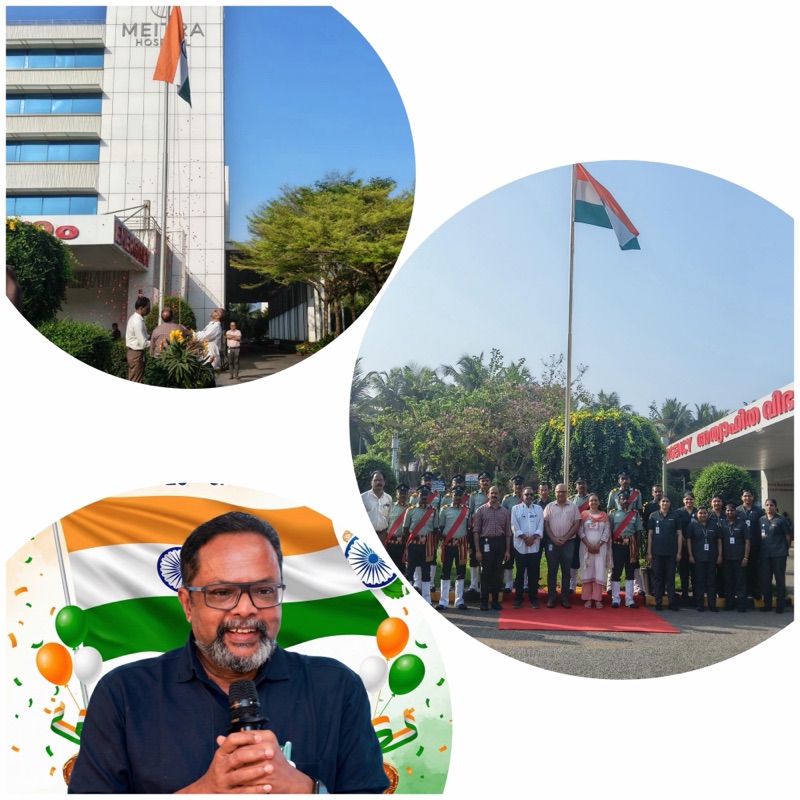
Today, as India celebrates its 77th Republic Day, I experienced a moment that will remain etched in my soul forever.

I was bestowed with the distinct privilege of unfurling the National Flag at Meitra Hospital, receiving the Guard of Honour, and addressing our dedicated security and hospital staff. In my entire life, this was a first. As the Tricolor unfurled against the sky, I didn't just see a flag; I felt a profound synchronization. My heart was truly beating along with the heart of this great nation.

It was, without a doubt, the most exhilarating moment of my life.

I stand here today, bursting with pride—Proud to be an Indian. I am witnessing our vibrant culture fly high and our great country travel boldly towards self-sufficiency. It brings me immense joy to see talent recognized, especially with 7 Padma Awards coming home to Kerala this year. It is a testament to the brilliance that thrives in our soil.

Just as our nation marches forward, so does my second home. Meitra is travelling towards excellence. As we move into the coming year, we are stepping into the next level of expansion. With our JCI accreditation, the introduction of new specialties, and the commencement of our second phase of development, we are soaring to new heights.

I am deeply proud of my identity today—Proud to be an Indian, and proud to be a Meitraian.

My gratitude to my Nation and my Institution knows no bounds.

Jai Hind. 🇮🇳


എന്റെ ഹൃദയം രാജ്യത്തിന്റെ താളത്തിനൊത്ത് തുടിച്ച നിമിഷം 🇮🇳

ഇന്ന്, ഭാരതം 77-ാം റിപ്പബ്ലിക് ദിനം ആഘോഷിക്കുമ്പോൾ, എന്റെ ജീവിതത്തിൽ ഒരിക്കലും മറക്കാനാവാത്ത, ആത്മാവിൽ തട്ടിയ ഒരു നിമിഷത്തിനാണ് ഞാൻ സാക്ഷിയായത്.

മൈത്ര ഹോസ്പിറ്റലിൽ ദേശീയ പതാക വാനിൽ വിടർത്താനും, ഗാർഡ് ഓഫ് ഓണർ സ്വീകരിക്കാനും, നമ്മുടെ സുരക്ഷാ ഉദ്യോഗസ്ഥരെയും സഹപ്രവർത്തകരെയും അഭിസംബോധന ചെയ്യാനുമുള്ള അസുലഭ അവസരം എനിക്ക് ലഭിച്ചു. എന്റെ ജീവിതത്തിൽ ആദ്യമായാണ് ഇത്തരമൊരു ഭാഗ്യം എന്നെ തേടിയെത്തുന്നത്. വാനിലുയർന്നു പറക്കുന്ന ത്രിവർണ്ണ പതാക കണ്ടപ്പോൾ, എന്റെ ഹൃദയമിടിപ്പ് ഈ വലിയ രാഷ്ട്രത്തിന്റെ ഹൃദയതാളവുമായി ഒന്നാകുന്നത് പോലെ എനിക്ക് അനുഭവപ്പെട്ടു.

അതായിരുന്നു എന്റെ ജീവിതത്തിലെ ഏറ്റവും ആവേശഭരിതമായ നിമിഷം.

ഒരു ഇന്ത്യക്കാരനായതിൽ ഞാൻ ഇന്ന് അങ്ങേയറ്റം അഭിമാനിക്കുന്നു. ഇന്ത്യൻ സംസ്കാരത്തിന്റെ വളർച്ചയും, സ്വയംപര്യാപ്തതയിലേക്കുള്ള നമ്മുടെ രാജ്യത്തിന്റെ കുതിപ്പും എന്നെ ആവേശഭരിതനാക്കുന്നു. ഇത്തവണ 7 പത്മ പുരസ്കാരങ്ങൾ കേരളത്തിലേക്ക് എത്തി എന്നത് ഏറെ അഭിമാനകരമാണ്.

രാജ്യം മുന്നോട്ട് കുതിക്കുന്നതിനൊപ്പം, എന്റെ തട്ടകമായ മൈത്രയും മികവിന്റെ പാതയിൽ മുന്നേറുകയാണ്. അടുത്ത വർഷത്തോടെ മൈത്ര വികസനത്തിന്റെ പുതിയ തലങ്ങളിലേക്ക് കടക്കുകയാണ്. JCI അക്രഡിറ്റേഷനും, പുതിയ സ്പെഷ്യാലിറ്റികളും, രണ്ടാം ഘട്ട വികസനവുമെല്ലാം മൈത്രയെ പുതിയ ഉയരങ്ങളിലെത്തിക്കും.


ഒരു ഇന്ത്യക്കാരനായതിലും, ഒരു 'മൈത്രയൻ' (Meitraian) ആയതിലും ഞാൻ ഇന്ന് ഒരുപാട് അഭിമാനിക്കുന്നു. എന്റെ രാജ്യത്തോടും ഈ സ്ഥാപനത്തോടുമുള്ള നന്ദിയും കടപ്പാടും ഞാൻ അറിയിക്കുന്നു.

ജയ് ഹിന്ദ്. 🇮🇳


#RepublicDay2026 #IndiaAt77 #ProudIndian #MeitraHospital #JaiHind #GuardOfHonour #Kerala #HealthcareExcellence #Meitraian #Patriotism #Gratitude

Wednesday, January 14, 2026

The Ghosts of Overhead Projectors: A Doctor’s Journey Through Forty Years of Scientific Presentation-The Weight of a Single Slide

The Ghosts of Overhead Projectors: A Doctor’s Journey Through Forty Years of Scientific Presentation-The Weight of a Single

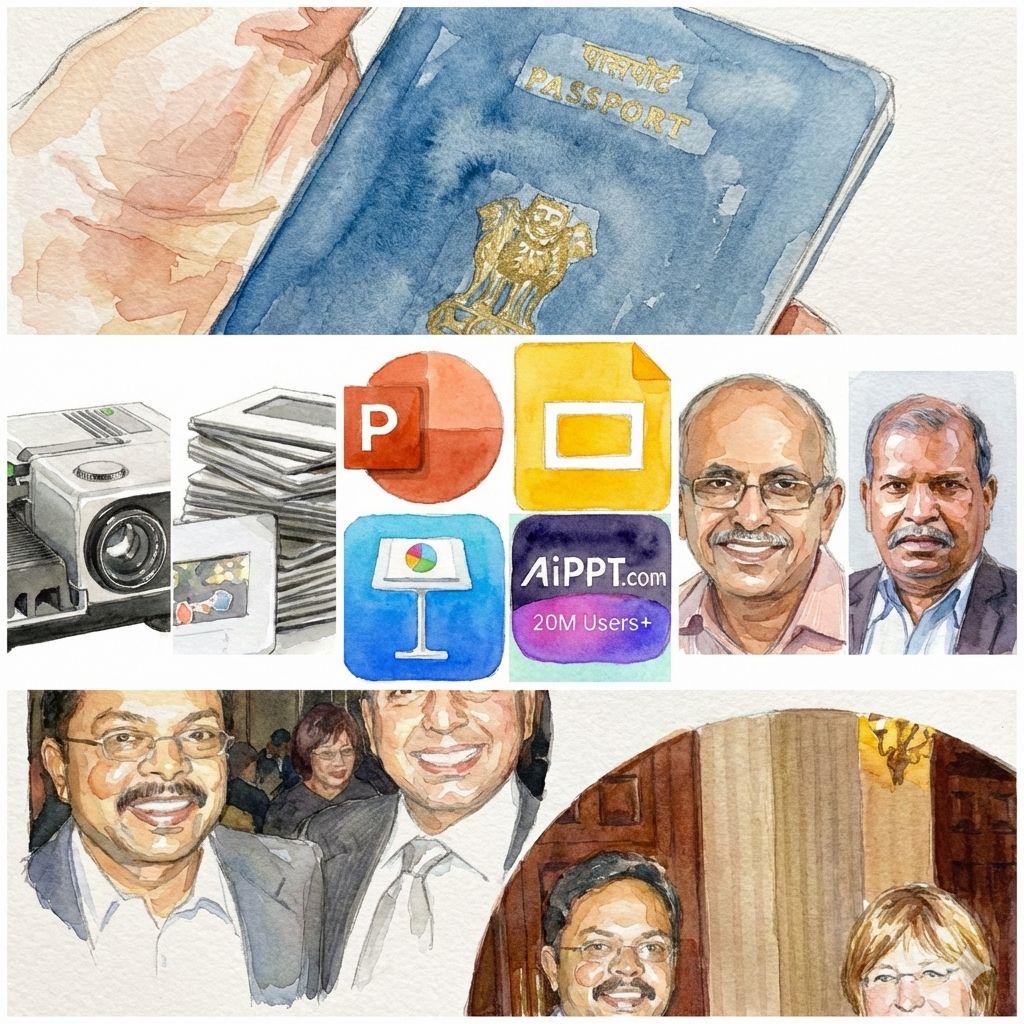
It’s easy to open a laptop today, click a button, and watch a flawless Google Slides or PowerPoint presentation appear. But for those of us who started our careers decades ago, "presentations" meant something entirely different—something arduous, expensive, and deeply personal.

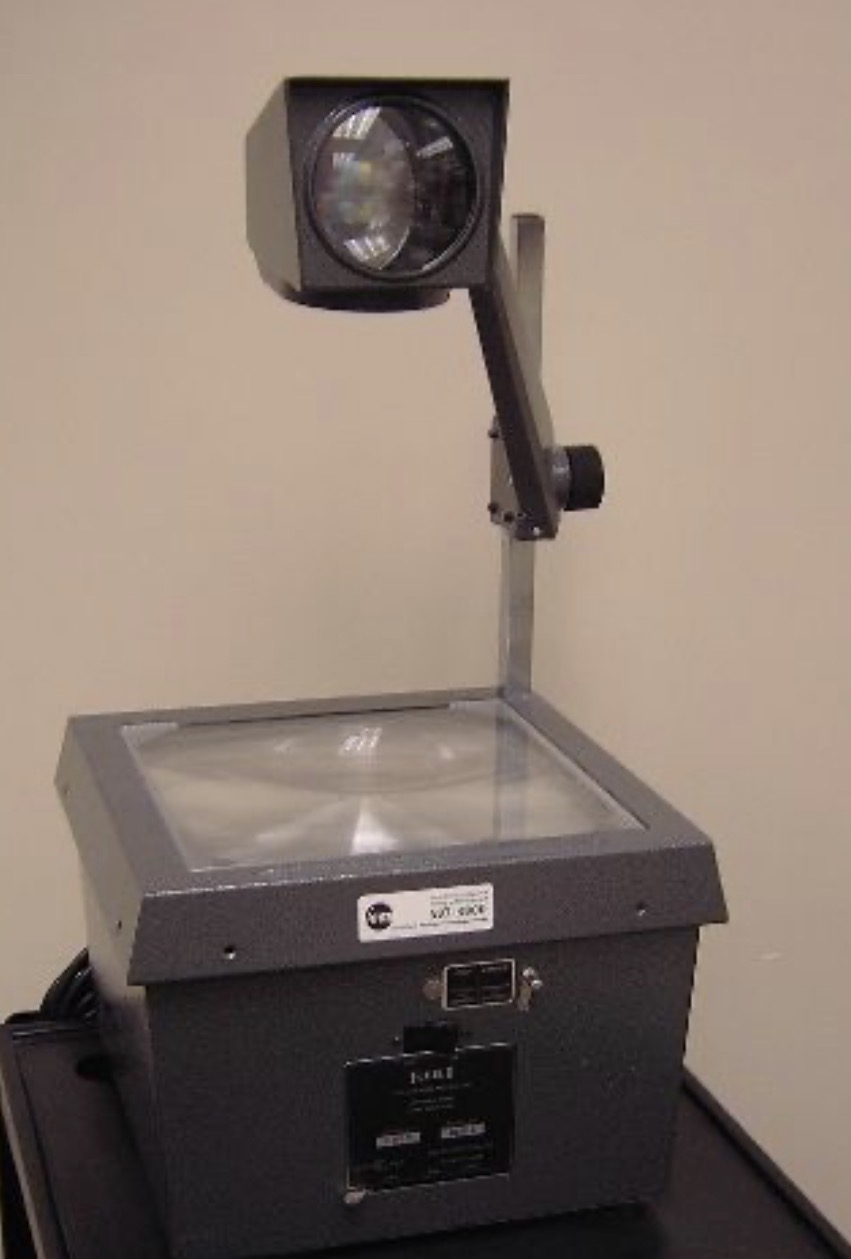
Old Overhead Projector

My journey began in the era of the overhead projector, with those thin, crackling plastic films that we’d write on using marker pens. Primitive, yes, but they held the weight of our professional credibility.Then came 1990. I was at the Nizam Institute in Hyderabad for the South Zone conference of ISA, presenting on “Thoracic Epidural Anesthesia for high-risk abdominal surgeries.” This was a leap into a new, more frustrating technology: the slide and projector.

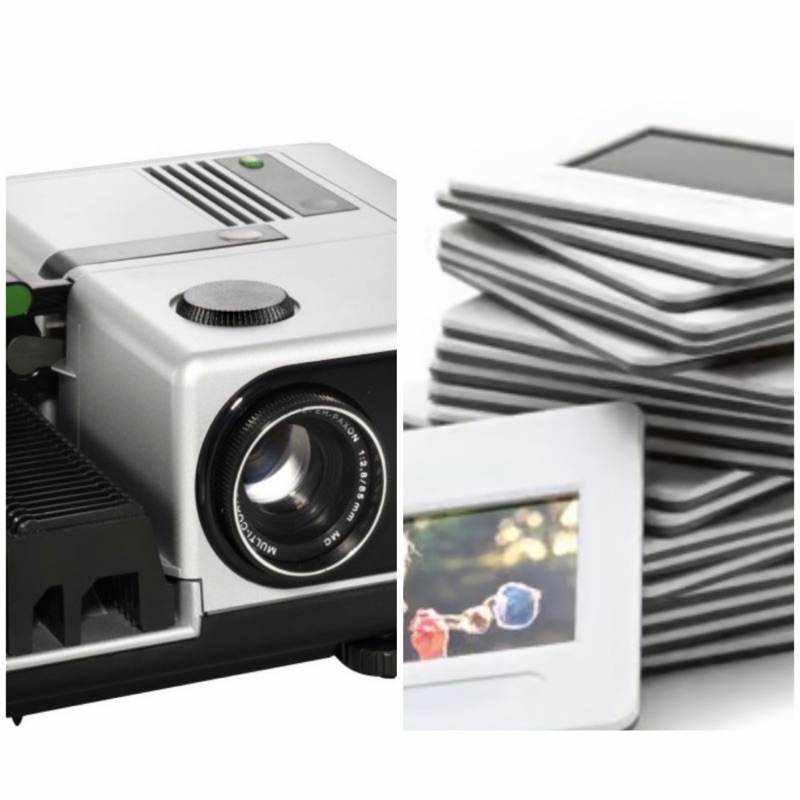
Projector and Slides

The sheer effort was crushing. To create a slide, I first had to type the content on paper. That paper was photographed, and the negative converted into a positive slide. The only place in Calicut that could perform this precise, specialized darkroom work was Lucos Block. And the cost? A single slide was 10 rupees. My 20-slide presentation cost 200 rupees—a staggering one-third of my entire 600-rupee stipend.

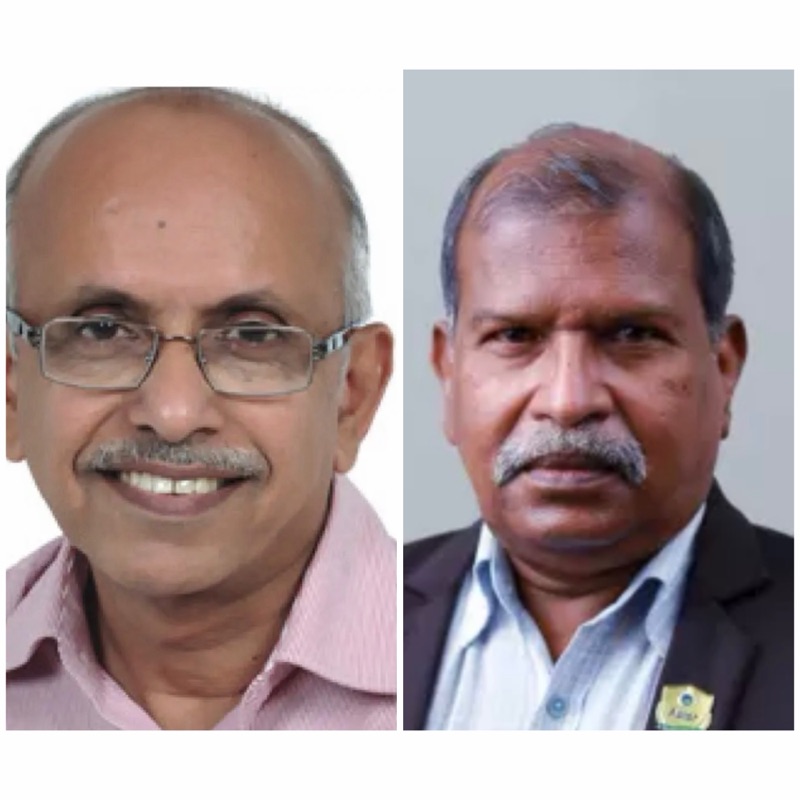
Prof .MR Rajagopal and Dr Santhikumar 

Imagine that: a single typo, a minor correction, and the whole painful, expensive process started again, from scratch. It taught me a respect for every word, every comma, that young presenters today may never know. I must pause here to thank my great teacher, Prof MR Rajagopal, for the trust to present such a vital topic, and Dr. Santhi Kumar for allowing me to build the paper from his thesis. Their faith was my greatest fuel.The Storm Before Turkey

The year 2000 brought a collective sigh of relief with Microsoft PowerPoint. The barriers to entry for professional presentations crumbled, and suddenly, we could breathe.

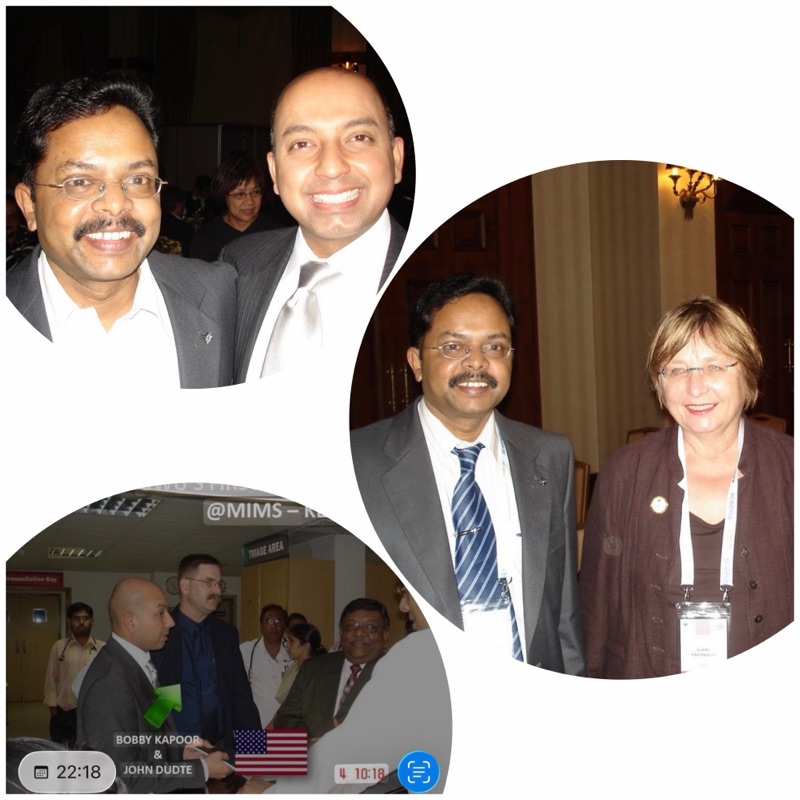
Dr. Boby Kapoor, Dr. Tintinelli Mr.John and Dr.George Abraham 

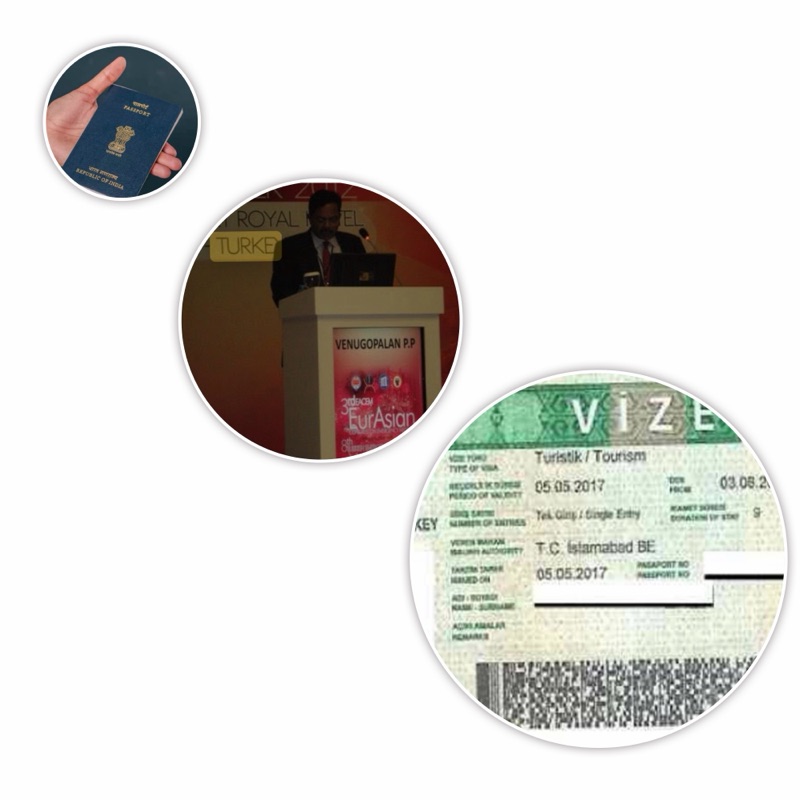
Seven years later, in 2007, I was in charge of emergency medicine at MIMS Calicut, starting India's first structured international emergency training program. This led to an invitation: my first international faculty appearance at an EM conclave in Antalya, Turkey. I was thrilled, terrified, and utterly focused. I painstakingly crafted my PPT on “Detecting methods of ETT positions” on a Dell laptop.

But the real terror wasn't my "Indian English" accent; it was the looming deadline. Ten days out, my Turkish visa secured, I took the train to Trivandrum to meet my mentor, Prof Rajagopal, for his final blessing. He went through every slide—from the title to the "thank you"—and suggested corrections. I scribbled notes frantically, feeling his wisdom pour onto the page.

That evening, I was satisfied, energized, and ready for the global stage. I boarded an overnight KSRTC bus back to Calicut. Twelve hours of dark road ahead, with my dream—my presentation, my visa, my passport—all secured in my laptop bag.

Around 2:30 AM, near Thrissur, I woke up. My bag was gone. In its place, a stranger’s bag. Looted.A Race Against Time and Bureaucracy

The shock was a physical blow. The complaint was raised immediately, followed by a frantic rush to the Nadakkavu police station back in Calicut. My mind was already cancelling Turkey. Police protocol meant formal inquiry, newspaper ads, closing the FIR, then applying for a new passport. I had 8 days. After a new passport, the visa would have to be re-applied for.

The mental exhaustion was paralyzing. I was ready to surrender.

But then, the universe repaid my years of service. My work in emergency medicine, public BLS, and police first responder training became my lifeline. The Circle Inspector knew me through the training programs. The Passport Commissioner had attended my programs. The red tape—the crushing, bureaucratic weight that would have defeated anyone else—was cut.

"6 days of rapid processing of Duplicate passport, Turkish visa, and international presentation" 

In under 24 hours, the passport issue was closed. In another 28 hours, a new passport was fast-tracked and ready. Riya Travels worked miracles with the Turkish embassy, and my visa was restored.

Everything was done just one day before my flight. It was a period of ultimate tension I have never experienced since. My commitment to yoga and meditation was the only thing that kept me from crashing completely. Finally, I was able to implement Prof. Rajagopal’s corrections and fine-tune my presentation with the help of his article, “Dos and Don’ts of an international presentation.”A Look Back from Heaven

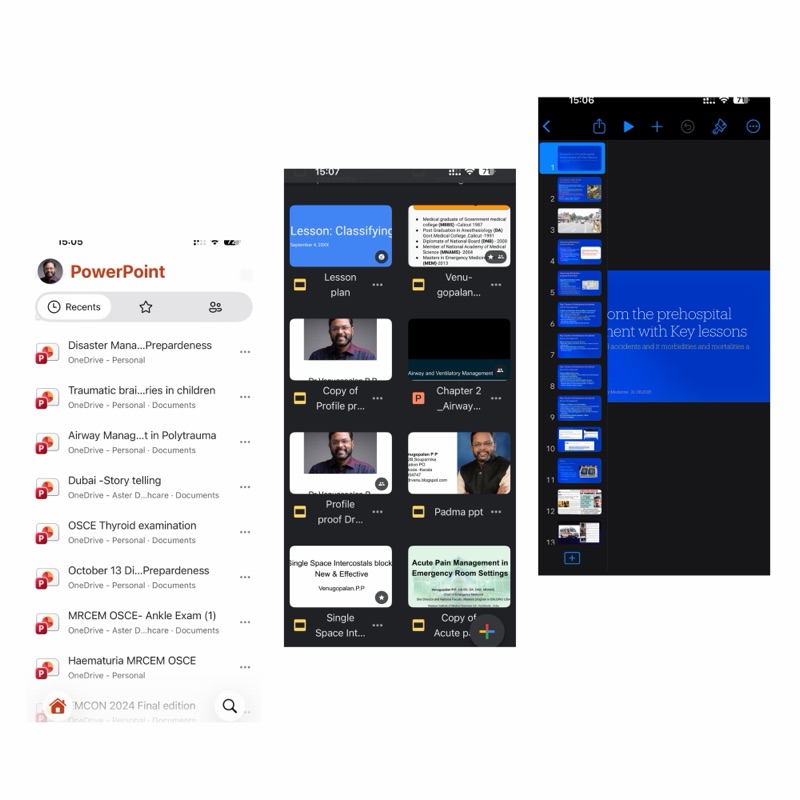
Versatile modern presentation apps- You can do any wonders that you want, everything at your finger tip or even with your voice command

Today, in 2026, we are in presentation heaven. We have the sheer versatility of Microsoft PPT, the elegance of Mac Keynote, and the accessibility of Google Slides. Creativity, video, and animation are no longer hurdles, but tools. AI is now a personal co-pilot, ready to generate an outstanding deck for anyone.

Microsoft ppt, Google slides and Mac Keynote are my favourites 

We didn't have cloud storage in 2007; our backups were physically locked onto a hard disk. Today, my work is safe in the digital ether, a luxury I deeply appreciate.

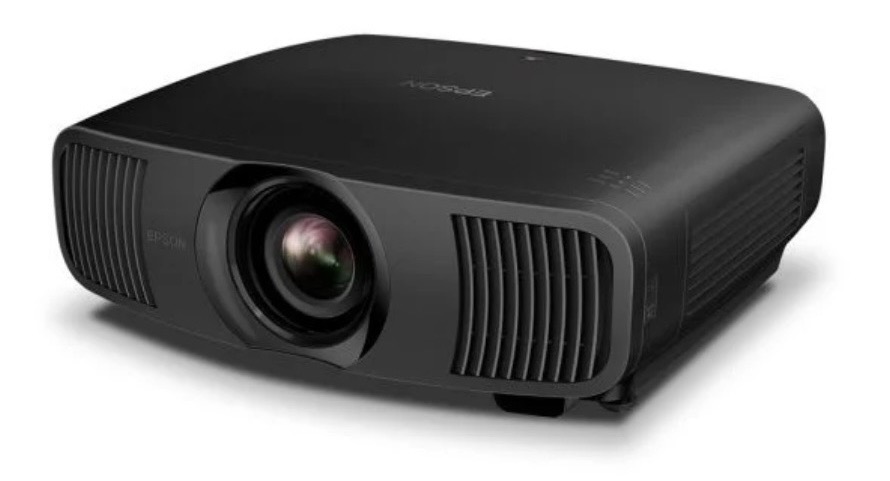
New gen LED projector 
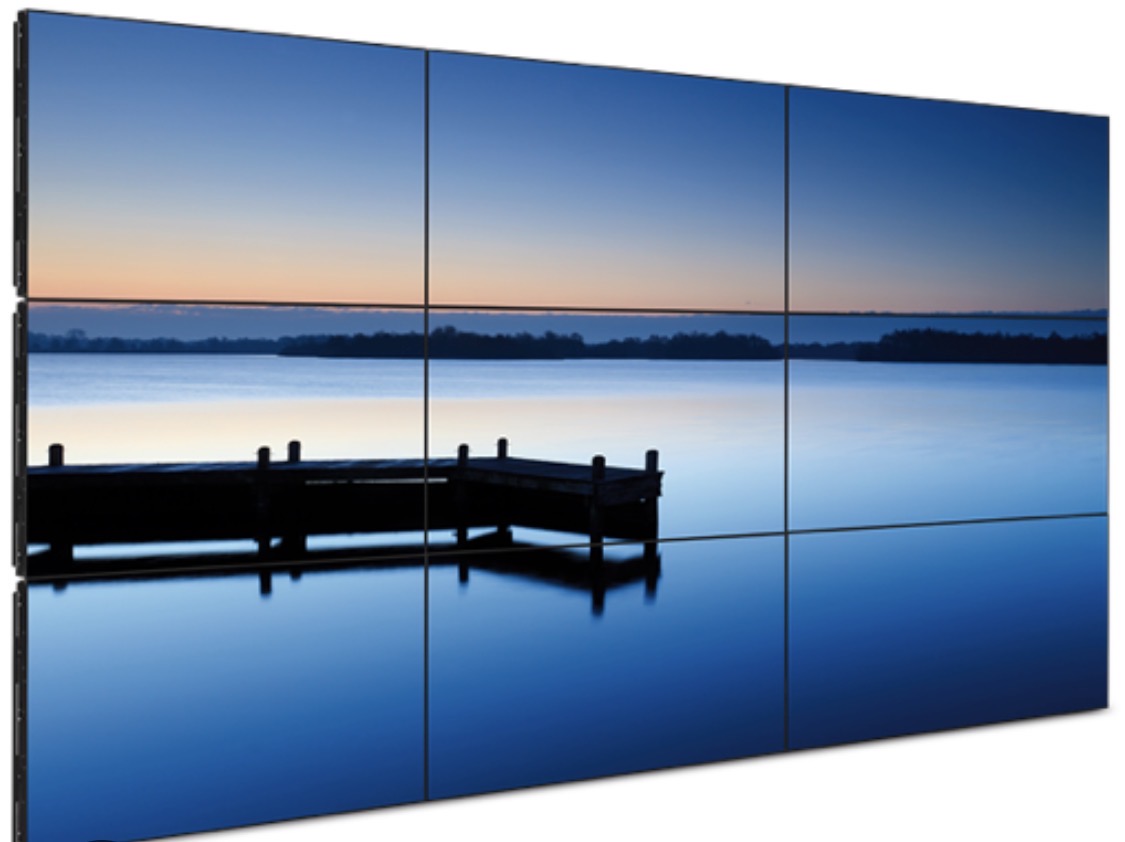
Video walls - complete computer-based solutions

I still encounter minor frustrations—like the Keynote-to-PPT conversion hassle at conferences—but they are trivial. They are simply ghosts of the past. click.

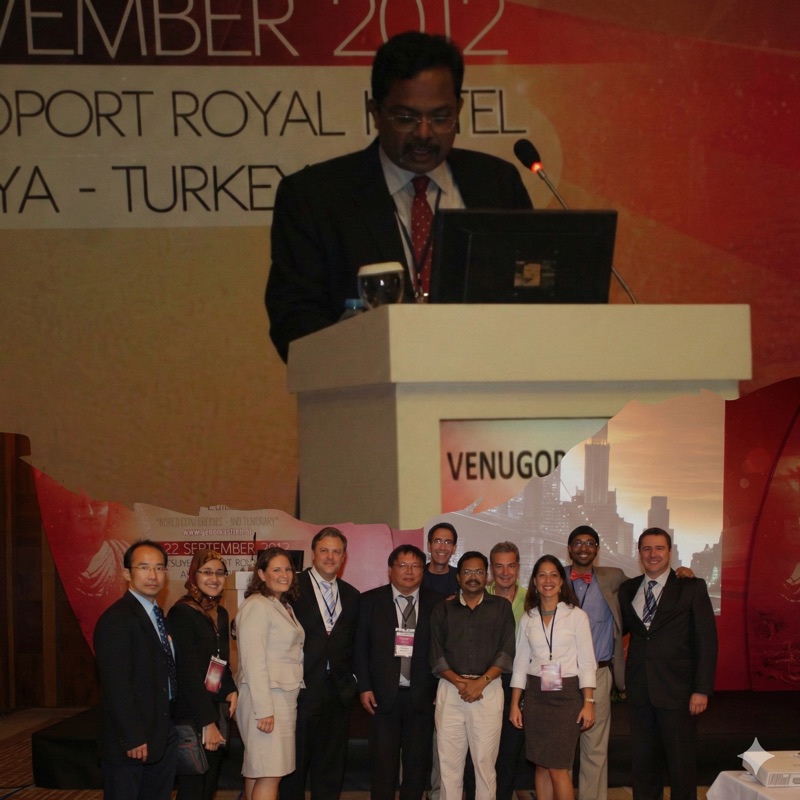
My first international Faculty presentation at Antalya, Turkey, and I met many new friends there 

The Final Note: The hard days I passed through, the financial sacrifice for a single slide, the trauma of a stolen future, the grace of my mentors, and the kindness of professionals who fast-tracked my crisis—all of it shaped me. It is this journey that allows me, today, to guide hundreds of residents in preparing prize-winning presentations.I tell them: Respect the slide. Respect the word. Never forget the effort that came before the


The future of Critical Care Transport is here, and it's no longer just about speed. 🚨

  Recent advancements in inter-hospital transport of critically ill patients (2023–2025) emphasize a shift from simple "speed of transi...