The Ghosts of Overhead Projectors: A Doctor’s Journey Through Forty Years of Scientific Presentation-The Weight of a Single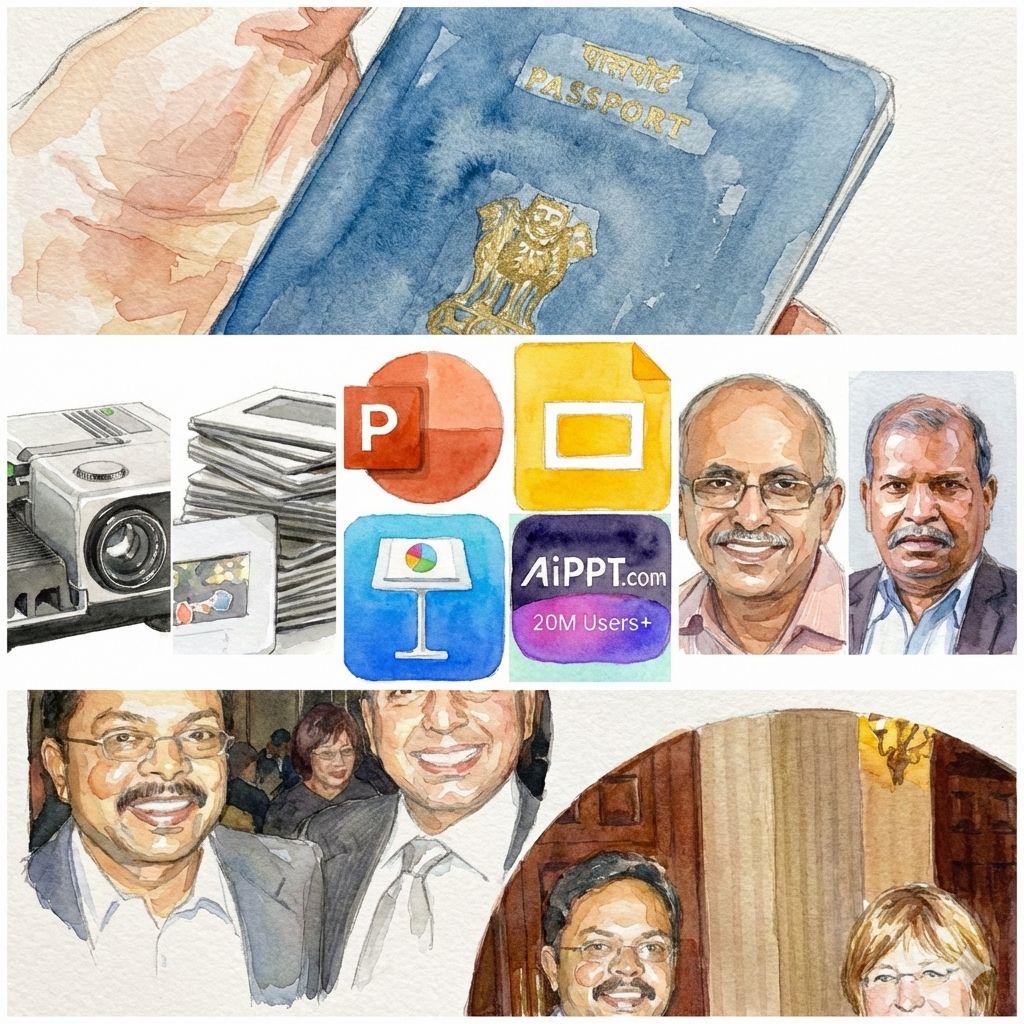
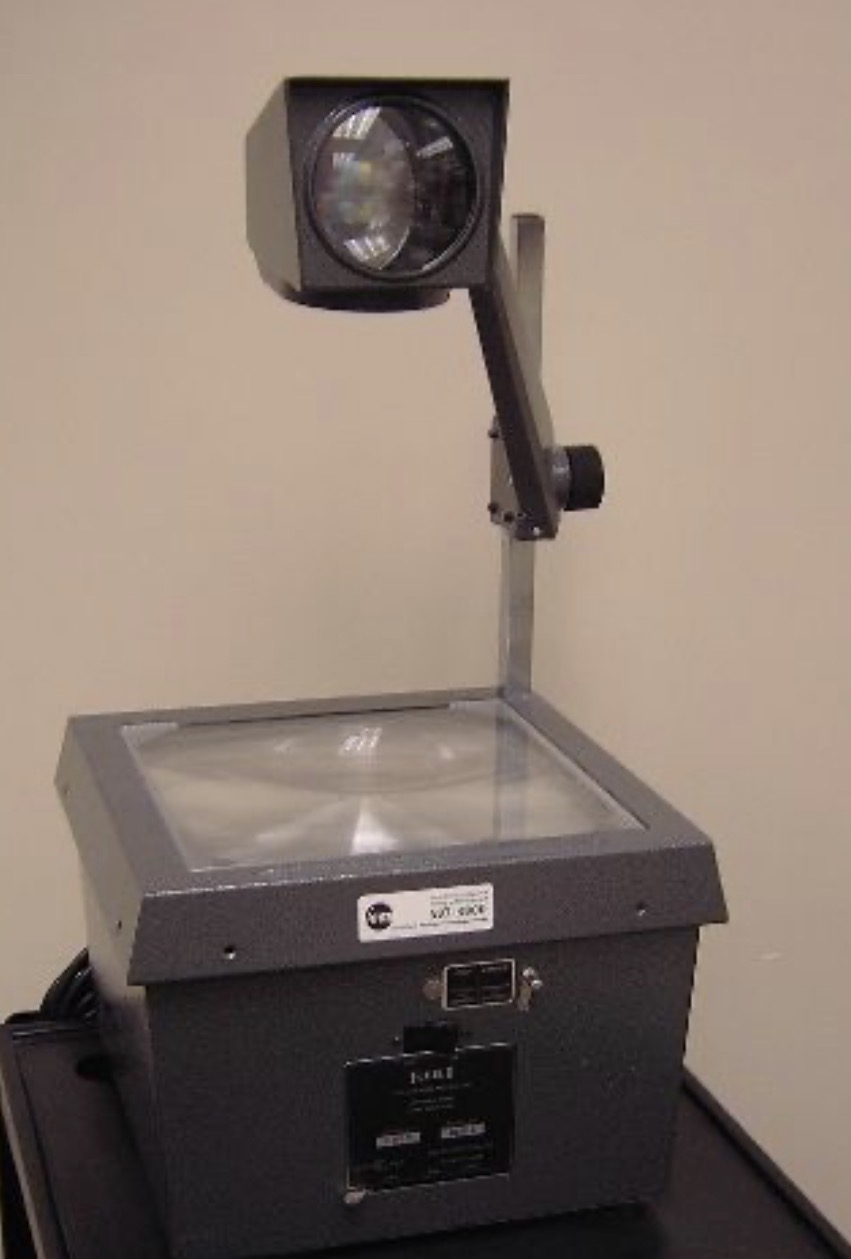 |
| Old Overhead Projector |
My journey began in the era of the overhead projector, with those thin, crackling plastic films that we’d write on using marker pens. Primitive, yes, but they held the weight of our professional credibility.Then came 1990. I was at the Nizam Institute in Hyderabad for the South Zone conference of ISA, presenting on “Thoracic Epidural Anesthesia for high-risk abdominal surgeries.” This was a leap into a new, more frustrating technology: the slide and projector.
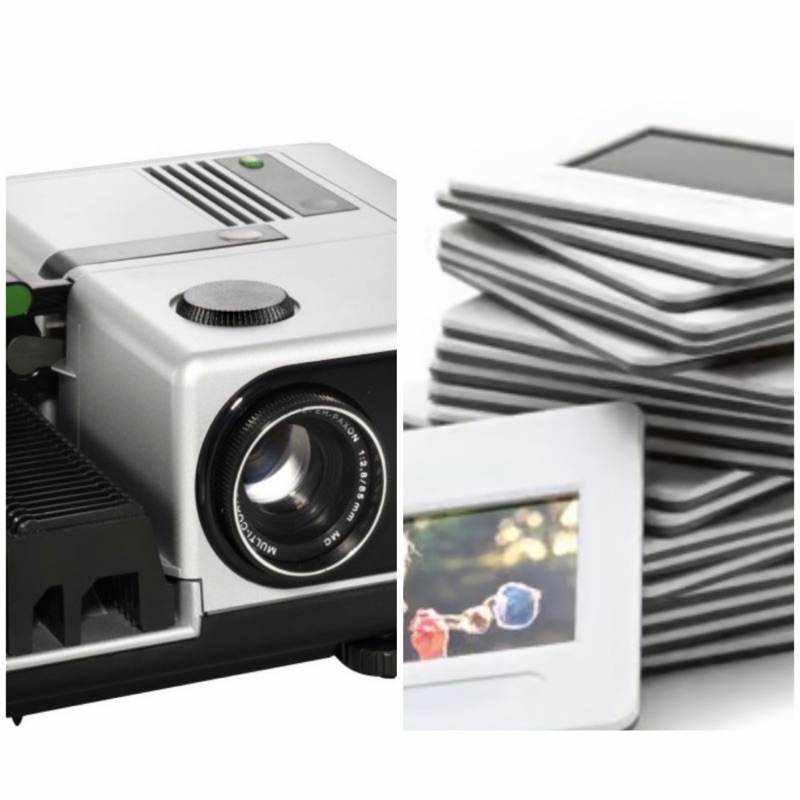 |
| Projector and Slides |
The sheer effort was crushing. To create a slide, I first had to type the content on paper. That paper was photographed, and the negative converted into a positive slide. The only place in Calicut that could perform this precise, specialized darkroom work was Lucos Block. And the cost? A single slide was 10 rupees. My 20-slide presentation cost 200 rupees—a staggering one-third of my entire 600-rupee stipend.
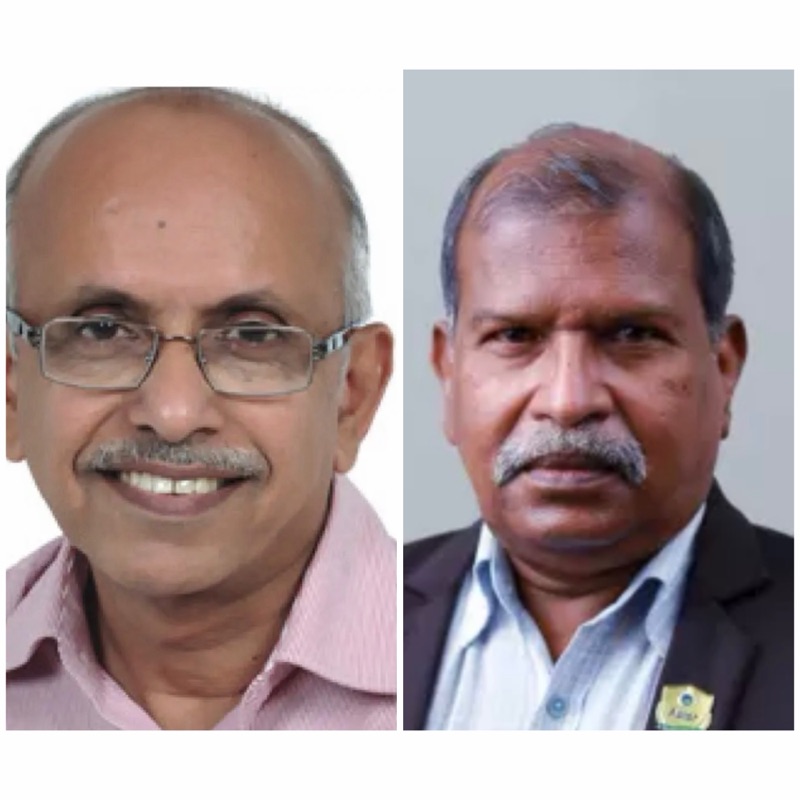 |
| Prof .MR Rajagopal and Dr Santhikumar |
Imagine that: a single typo, a minor correction, and the whole painful, expensive process started again, from scratch. It taught me a respect for every word, every comma, that young presenters today may never know. I must pause here to thank my great teacher, Prof MR Rajagopal, for the trust to present such a vital topic, and Dr. Santhi Kumar for allowing me to build the paper from his thesis. Their faith was my greatest fuel.The Storm Before Turkey
The year 2000 brought a collective sigh of relief with Microsoft PowerPoint. The barriers to entry for professional presentations crumbled, and suddenly, we could breathe.
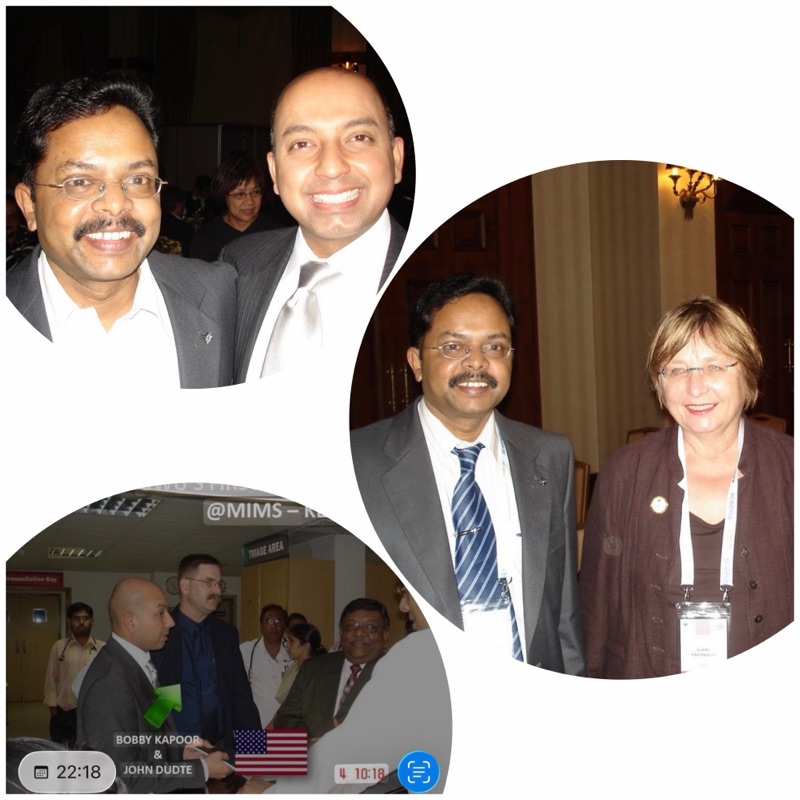 |
| Dr. Boby Kapoor, Dr. Tintinelli Mr.John and Dr.George Abraham |
Seven years later, in 2007, I was in charge of emergency medicine at MIMS Calicut, starting India's first structured international emergency training program. This led to an invitation: my first international faculty appearance at an EM conclave in Antalya, Turkey. I was thrilled, terrified, and utterly focused. I painstakingly crafted my PPT on “Detecting methods of ETT positions” on a Dell laptop.
But the real terror wasn't my "Indian English" accent; it was the looming deadline. Ten days out, my Turkish visa secured, I took the train to Trivandrum to meet my mentor, Prof Rajagopal, for his final blessing. He went through every slide—from the title to the "thank you"—and suggested corrections. I scribbled notes frantically, feeling his wisdom pour onto the page.
That evening, I was satisfied, energized, and ready for the global stage. I boarded an overnight KSRTC bus back to Calicut. Twelve hours of dark road ahead, with my dream—my presentation, my visa, my passport—all secured in my laptop bag.
Around 2:30 AM, near Thrissur, I woke up. My bag was gone. In its place, a stranger’s bag. Looted.A Race Against Time and Bureaucracy
The shock was a physical blow. The complaint was raised immediately, followed by a frantic rush to the Nadakkavu police station back in Calicut. My mind was already cancelling Turkey. Police protocol meant formal inquiry, newspaper ads, closing the FIR, then applying for a new passport. I had 8 days. After a new passport, the visa would have to be re-applied for.
The mental exhaustion was paralyzing. I was ready to surrender.
But then, the universe repaid my years of service. My work in emergency medicine, public BLS, and police first responder training became my lifeline. The Circle Inspector knew me through the training programs. The Passport Commissioner had attended my programs. The red tape—the crushing, bureaucratic weight that would have defeated anyone else—was cut.
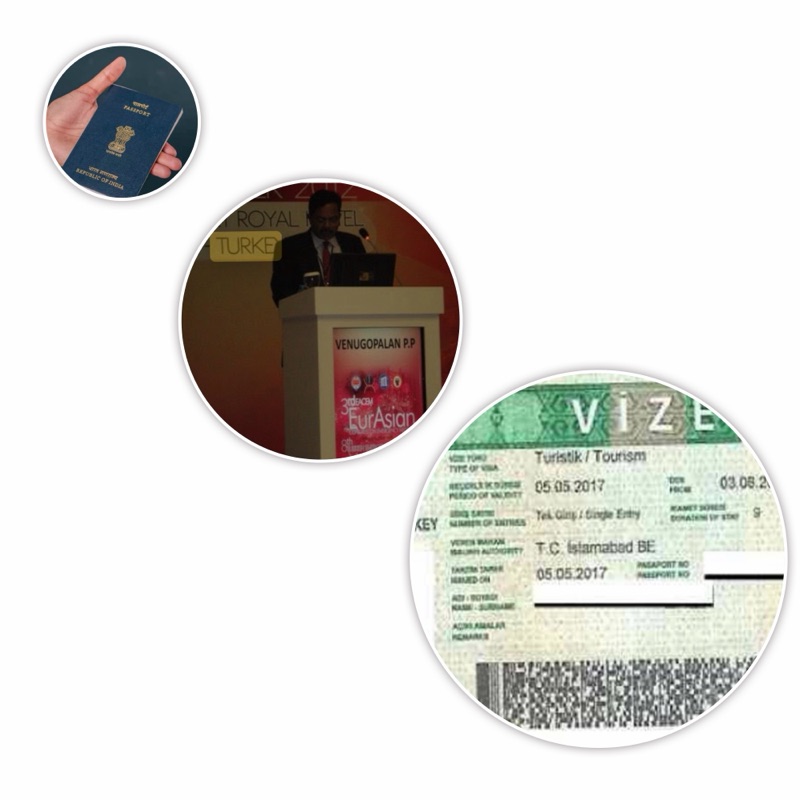 |
| "6 days of rapid processing of Duplicate passport, Turkish visa, and international presentation" |
In under 24 hours, the passport issue was closed. In another 28 hours, a new passport was fast-tracked and ready. Riya Travels worked miracles with the Turkish embassy, and my visa was restored.
Everything was done just one day before my flight. It was a period of ultimate tension I have never experienced since. My commitment to yoga and meditation was the only thing that kept me from crashing completely. Finally, I was able to implement Prof. Rajagopal’s corrections and fine-tune my presentation with the help of his article, “Dos and Don’ts of an international presentation.”A Look Back from Heaven
 |
| Versatile modern presentation apps- You can do any wonders that you want, everything at your finger tip or even with your voice command |
Today, in 2026, we are in presentation heaven. We have the sheer versatility of Microsoft PPT, the elegance of Mac Keynote, and the accessibility of Google Slides. Creativity, video, and animation are no longer hurdles, but tools. AI is now a personal co-pilot, ready to generate an outstanding deck for anyone.
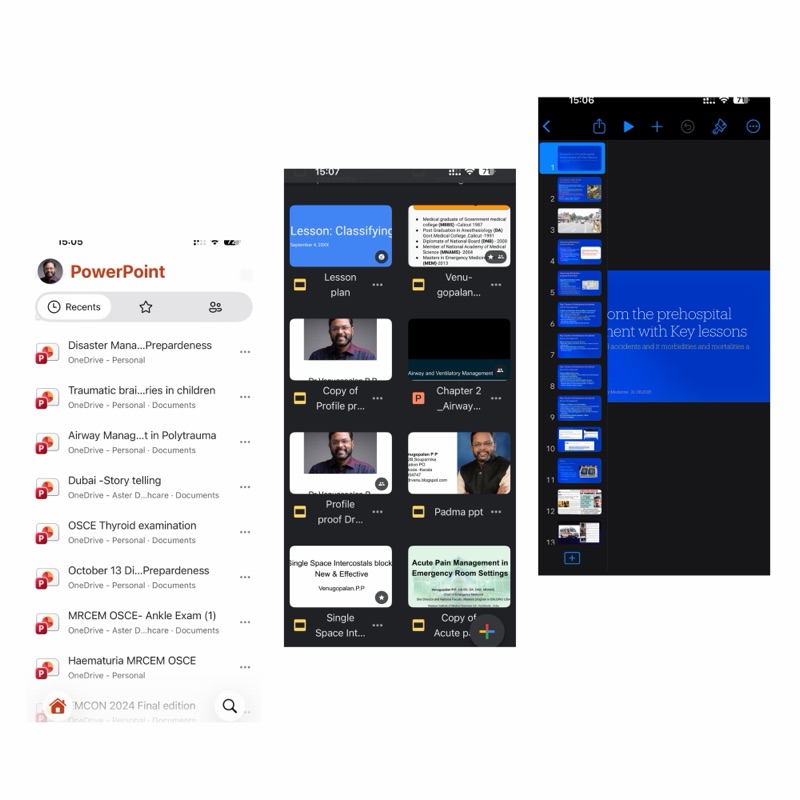 |
| Microsoft ppt, Google slides and Mac Keynote are my favourites |
We didn't have cloud storage in 2007; our backups were physically locked onto a hard disk. Today, my work is safe in the digital ether, a luxury I deeply appreciate.
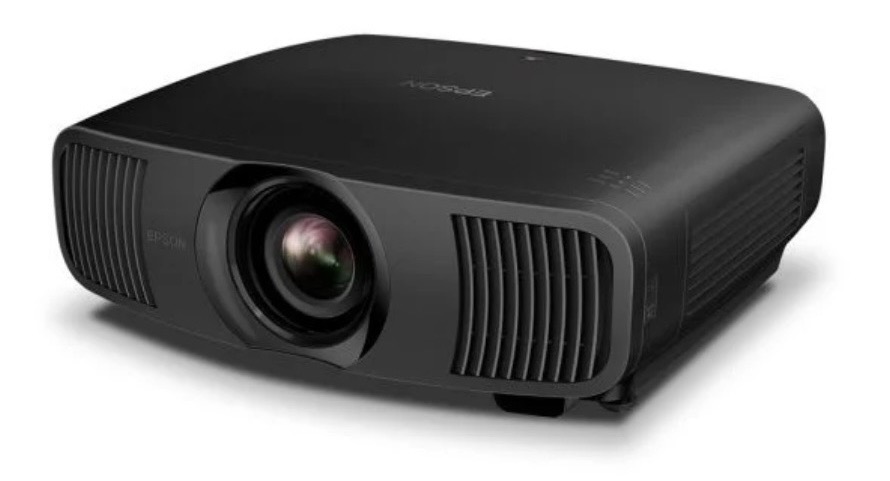 |
| New gen LED projector |
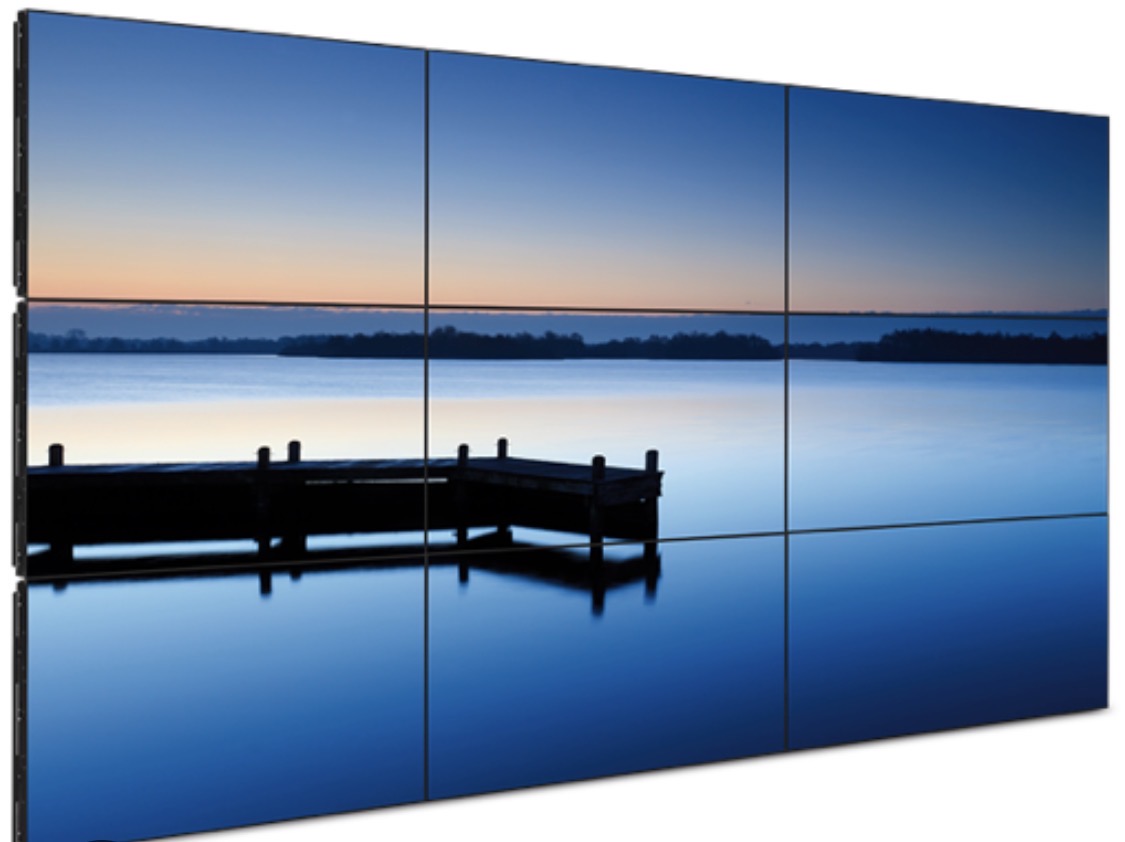 |
| Video walls - complete computer-based solutions |
I still encounter minor frustrations—like the Keynote-to-PPT conversion hassle at conferences—but they are trivial. They are simply ghosts of the past. click.
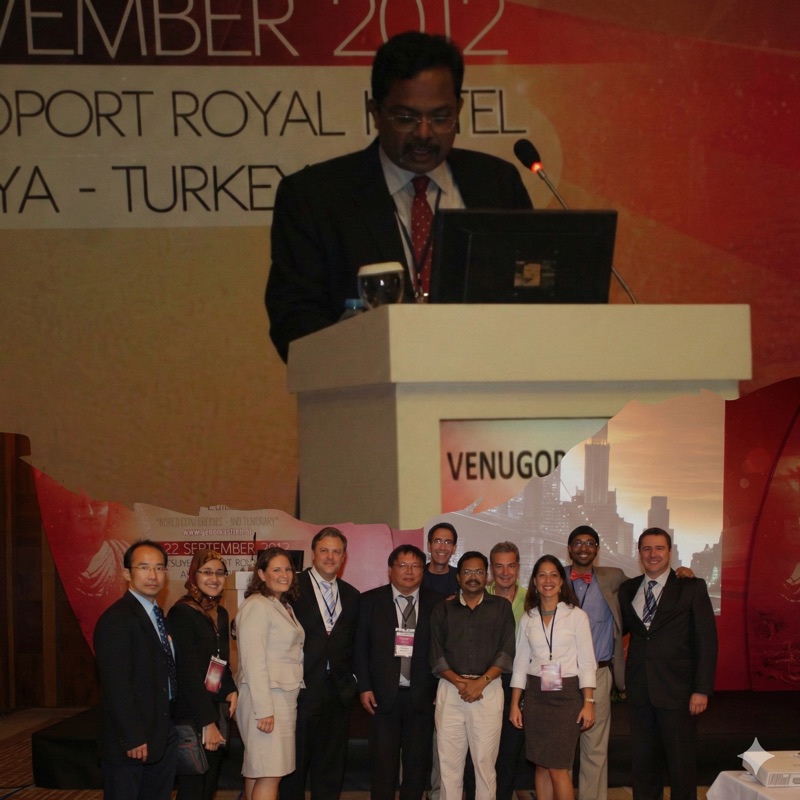 My first international Faculty presentation at Antalya, Turkey, and I met many new friends there My first international Faculty presentation at Antalya, Turkey, and I met many new friends there |
The Final Note: The hard days I passed through, the financial sacrifice for a single slide, the trauma of a stolen future, the grace of my mentors, and the kindness of professionals who fast-tracked my crisis—all of it shaped me. It is this journey that allows me, today, to guide hundreds of residents in preparing prize-winning presentations.I tell them: Respect the slide. Respect the word. Never forget the effort that came before the


3 comments:
Mr Srinivasan Senior personnel from pharmaceutical company commented
Wow, a real blast from the past! Your narration took me back to the late 80's, to the anesthesia department, where I met you along with Dr Suresh Kumar, Dr Ramdas, and many more..... Those were the days without electronic data, where books 📖 📚 were the source of time-tested information. It's an era that's now confined to nostalgic memories ✨
Dr Premsankar AC commented
"Respect the slide"
I remember you telling us once or even more number of times
You have been the same to me on an umpteen number of occasions in the past 3 years. I would like to thank your mentors Sir for making you the mentor that you are today🙏🏼
Dr Jyothi O Kumari commented
Lovely Article Venu
Really passionate words too!
Amazing & Wow 🤩 🤩
Keep writing
I really enjoy sharing the past with you!
Post a Comment