The Unspoken Bond: How a Console, a Wheelchair, and a Dream Changed Lives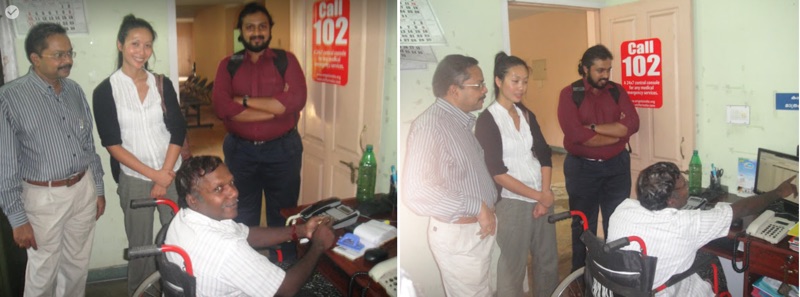
Some moments in life do not simply pass — they return, quietly, carrying memories, meaning, and unfinished emotions.
Recently, as I stepped into the family gathering of the All Kerala Wheelchair Rights Federation at IPM Kozhikode, I felt an invisible current pull me back fifteen years. The sight of families gathered on the beach — laughter mingling with resilience, challenges softened by companionship — awakened memories of a journey that began in 2011. It was not merely a project or an initiative; it was an experiment in humanity, dignity, and social engineering that transformed lives — including my own.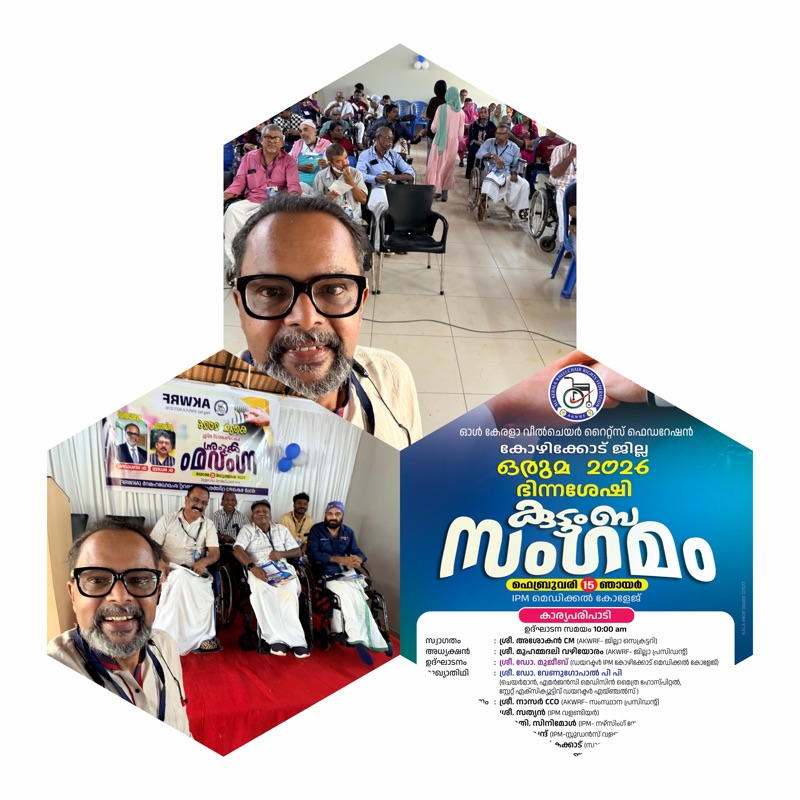
The Genesis of Angels
In 2011, alongside visionary individuals like Dr. PB Salim IAS, Dr. Meharoof, and several passionate collaborators, we established Angels — the Active Network of Emergency Life Savers.
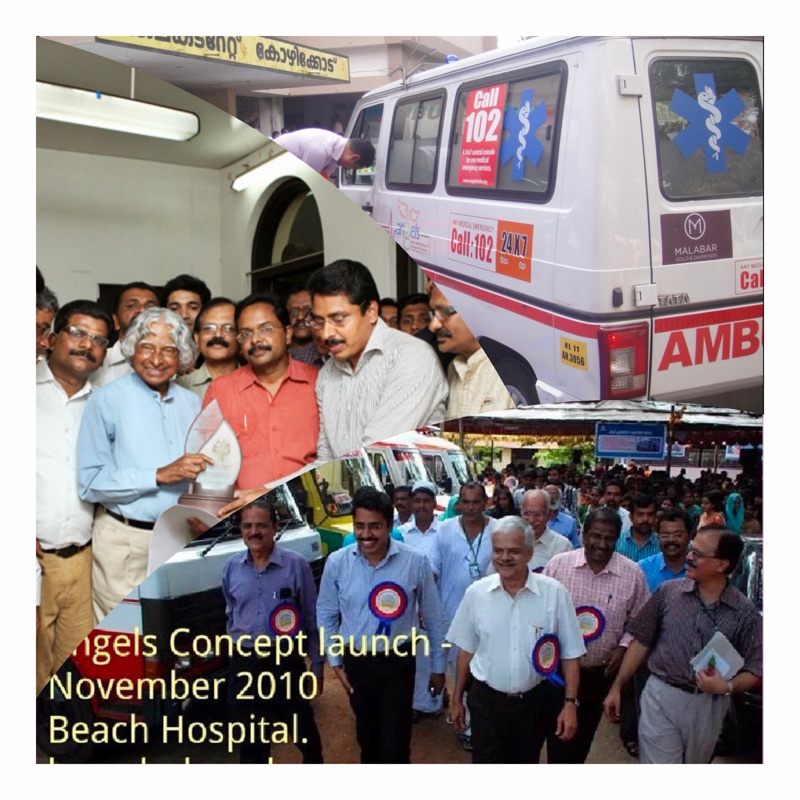 |
| Angels concept launch and official Launch |
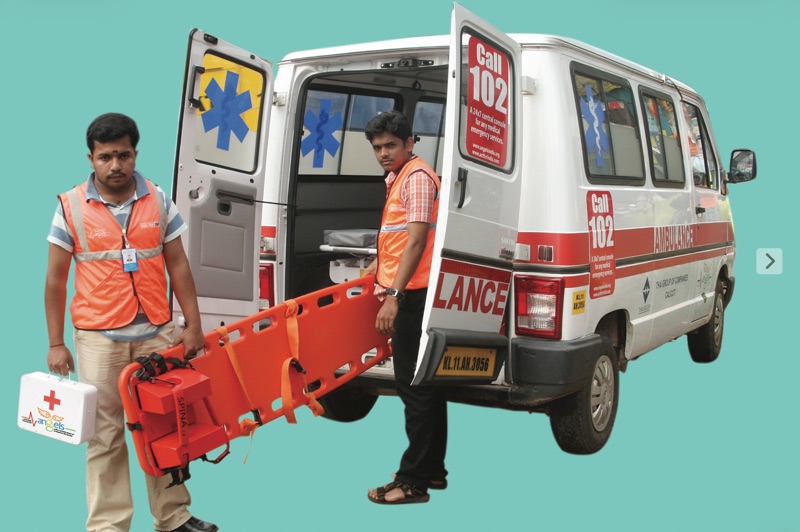
At its core, Angels was designed to solve a critical logistical problem: how to save lives by creating a unified emergency response network. Our aim was ambitious — to connect nearly 600 ambulances across five districts using GPS/GPRS technology, standardize emergency response systems, and introduce structured protocols that could improve survival outcomes.
We pioneered several innovations, including making spine boards mandatory in ambulances — a step that today feels obvious but at the time required advocacy, persuasion, and persistence.
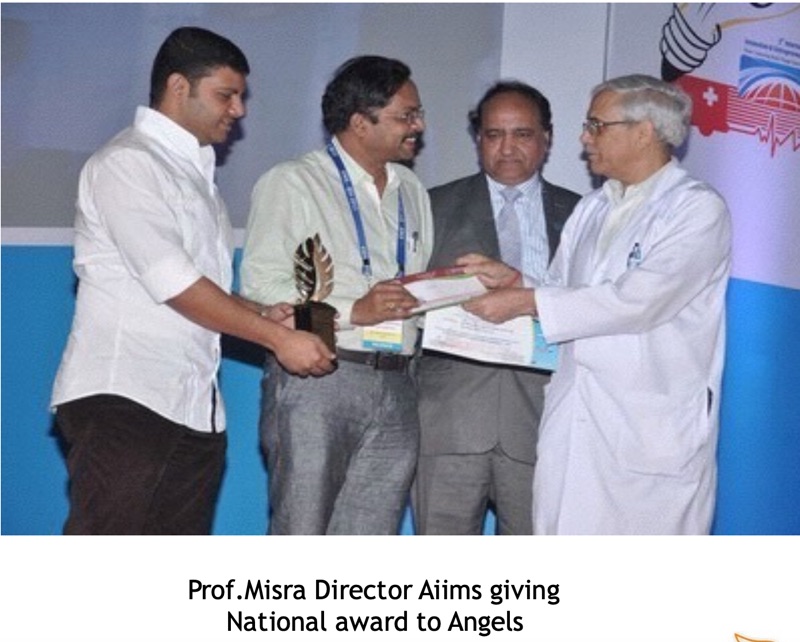
The project grew rapidly. It gained recognition nationally and internationally for its effectiveness in disaster response and emergency coordination. Lives were saved. Systems improved. Standards evolved.
But the most meaningful innovation that emerged from Angels was not technological.
It was deeply human.
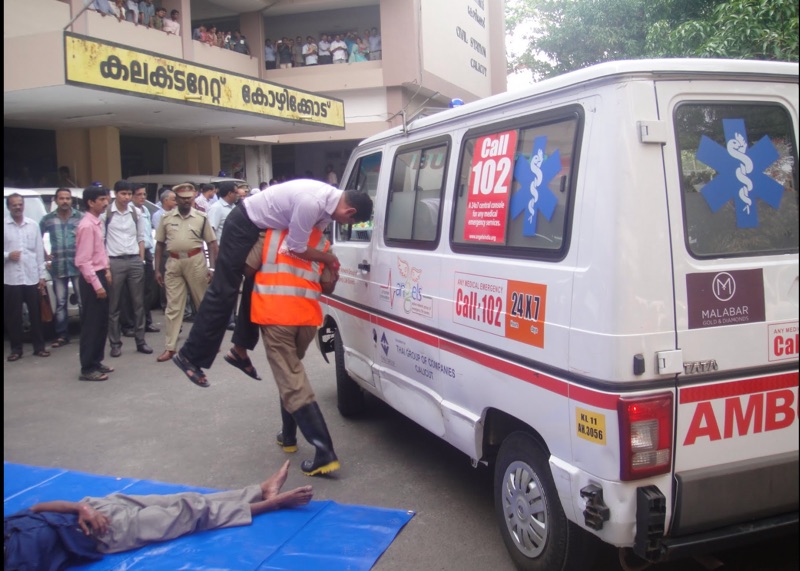 |
| Kozhikode district collector campus mock drill |
The Console of Empowerment
When the time came to establish the central ambulance command console at IPM Kozhikode, we faced an unexpected question:
Who should sit behind the emergency line — the toll-free number 102 — the first human voice that a distressed caller would hear?
We decided to challenge conventional thinking.
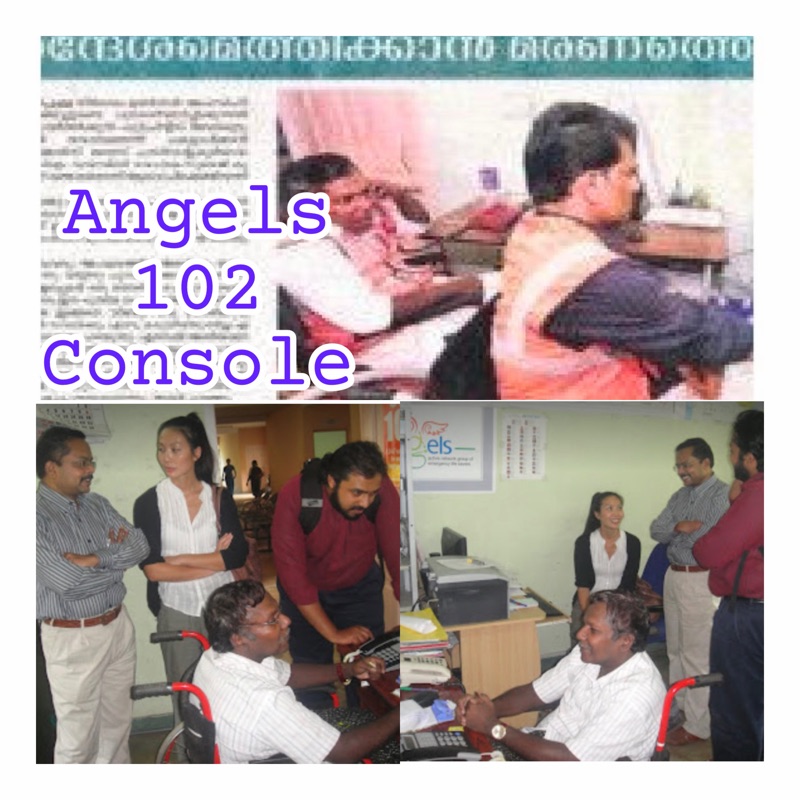 |
| Angels -102 Console manned by two differently-abled trauma victims |
Instead of hiring traditional call operators, we chose to employ paraplegic wheelchair users — individuals who had themselves experienced trauma, survival, and rehabilitation.
It was a bold decision, rooted in a simple belief: ability is not defined by physical mobility but by purpose and perspective.
Thus began one of the most meaningful chapters of Angels.
Mr. Mohammadali and Mr. Subhash (Differently abled)became our first console operators along with Mr .Sirajudheen and Mr Asokan both were no more with us today .
They did not merely answer calls.
They felt them.
Every emergency call carried a resonance that others could not fully understand. They had lived through trauma. They knew the fear of waiting for help, the vulnerability of depending on systems, and the urgency of every second.
Their lived experience transformed empathy into action.
Calls were handled with an intensity and sincerity that was deeply moving. They were not just dispatchers coordinating logistics; they were survivors ensuring that someone else would not feel alone in their moment of crisis.
 |
| Console at IPM Calicut |
From “Useless” to Indispensable
Years later, as I stood among the members of the Wheelchair Rights Federation, I watched Mr. Mohammadali preside over the function.
When he spoke, the atmosphere shifted.
With emotion in his voice, he described his time at the console as the “most beautiful days of our life.”
Before Angels, he said, many people had seen them as “useless.”
The word hung heavy in the air — a reminder of how society often defines people by limitations rather than by potential.
Angels had not simply offered employment.
It had restored dignity.
It had given purpose.
It had allowed individuals once marginalized to become central figures in a life-saving network.

I remembered how Mohammadali, despite being a full-time wheelchair user, travelled tirelessly across districts with us to promote the Angels concept. His presence challenged perceptions more effectively than any presentation or policy could.
The project revealed a profound truth:
The differently abled are not a burden on society — they are an untapped reservoir of strength, resilience, and capability.
They are, truly, gems waiting to be recognized.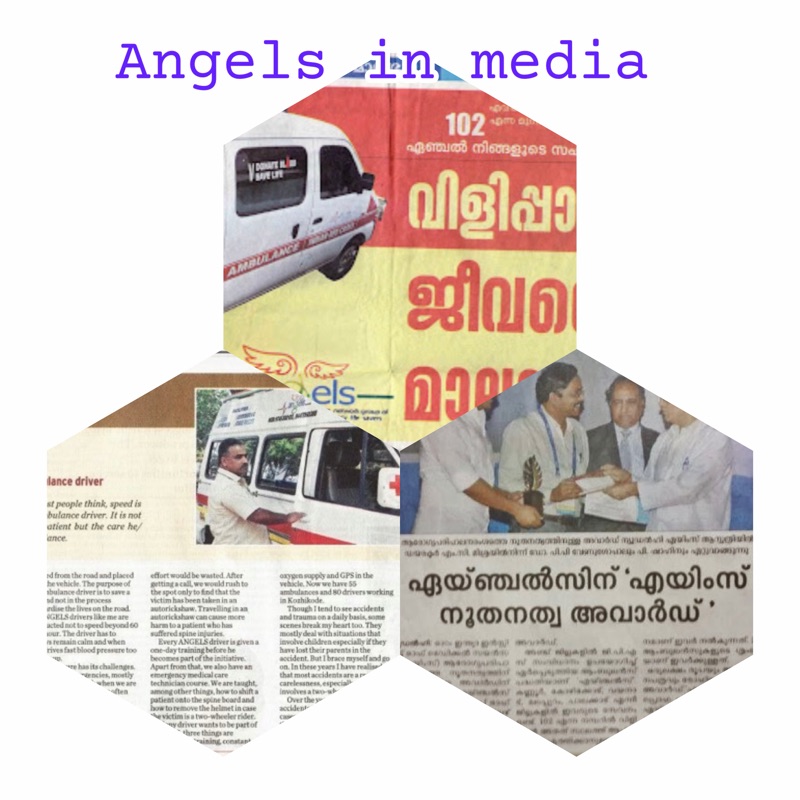
The Unspoken Bond
Spending that day with them was deeply emotional.
There are bonds formed not through words but through shared struggle, mutual respect, and a collective dream to create something larger than ourselves.
Fifteen years later, the technology may have evolved, systems may have changed, and projects may have ended or transformed — but the human connections remain.
Those moments reminded me that true innovation lies not merely in machines, protocols, or infrastructure.
It lies in recognizing human potential where others fail to see it.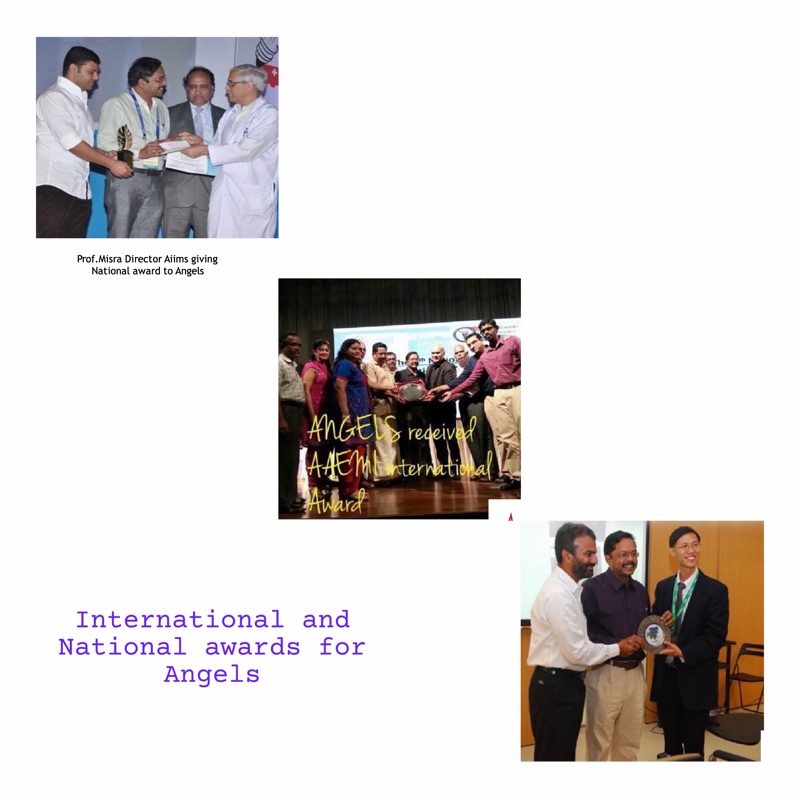
A Renewed Commitment
As I left the gathering, I felt a renewed sense of responsibility.
The journey with Angels taught me that meaningful change happens when we focus on capability rather than limitation, inclusion rather than charity, empowerment rather than sympathy.
There are still countless opportunities waiting to be created — roles that can harness resilience, lived experience, and courage.
The year ahead must include new initiatives that open doors for these extraordinary individuals, not as beneficiaries but as partners and leaders.
Because sometimes, the most powerful emergency response system is not built on technology alone.
It is built on trust.
On dignity.
On the unspoken bond between those who have suffered and those who choose to serve.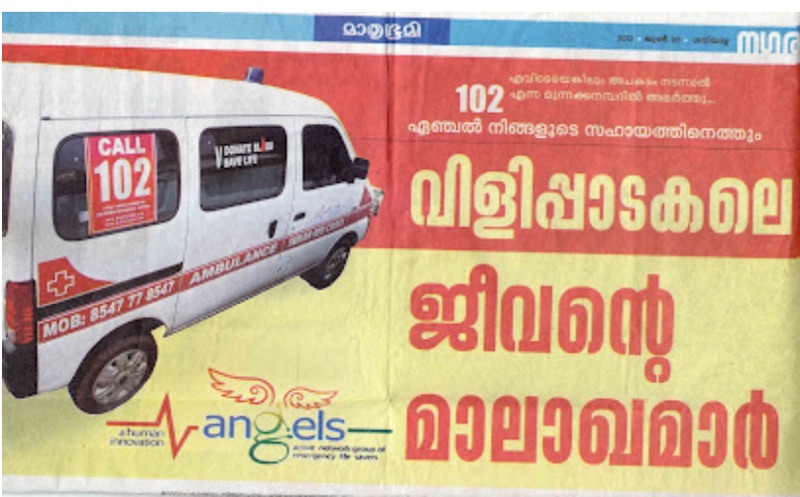
അറിയപ്പെടാത്ത ബന്ധം — ഒരു കോൺസോൾ, ഒരു വീൽചെയർ, ഒരു സ്വപ്നം
ചില നിമിഷങ്ങൾ സമയത്തിനൊപ്പം അവസാനിക്കുന്നില്ല. അവ നമ്മെ വീണ്ടും തേടിയെത്തും — ശബ്ദമില്ലാതെ, പക്ഷേ ഹൃദയം മുഴുവൻ നിറയ്ക്കുന്നൊരു ഭാരവുമായി.
ഐ.പി.എം കോഴിക്കോട് നടന്ന ഓൾ കേരള വീൽചെയർ റൈറ്റ്സ് ഫെഡറേഷൻ കുടുംബസംഗമത്തിലേക്ക് ഞാൻ നടന്ന് കടന്നപ്പോൾ അങ്ങനെ ഒരനുഭവം എന്നെ സ്പർശിച്ചു. ഇളം ക്കാറ്റിൽ ചാലിച്ച ചിരികളും, വീൽചെയറുകളിൽ സഞ്ചരിച്ച ആത്മവിശ്വാസവും, കുടുംബങ്ങളുടെ നിശ്ശബ്ദ ഐക്യവും — എല്ലാം ചേർന്ന് പതിനഞ്ച് വർഷങ്ങൾക്ക് മുമ്പ് ആരംഭിച്ച ഒരു യാത്രയുടെ ഓർമ്മകളെ വീണ്ടും ഉണർത്തി.
അത് ഒരു പ്രോജക്ട് മാത്രമായിരുന്നില്ല.
അത് മനുഷ്യരെ വീണ്ടും കണ്ടെത്തിയ ഒരു കഥയായിരുന്നു.
എയ്ഞ്ചൽസ് — ഒരു സ്വപ്നത്തിന്റെ വിത്ത്
2011-ൽ, ഡോ. പി.ബി. സലിം IAS, ഡോ. മെഹറൂഫ് എന്നിവരോടൊപ്പം ഞങ്ങൾ ചിലർ ചേർന്ന് “Angels — Active Network of Emergency Life Savers” എന്ന ആശയം രൂപപ്പെടുത്തിയപ്പോൾ, ഞങ്ങൾക്കുണ്ടായിരുന്ന സ്വപ്നം ലളിതമായിരുന്നു — അടിയന്തര സാഹചര്യങ്ങളിൽ ജീവൻ നഷ്ടപ്പെടാതിരിക്കാൻ ഒരു നെറ്റ്വർക്ക് സൃഷ്ടിക്കുക.
അഞ്ച് ജില്ലകളിലായി നൂറുകണക്കിന് ആംബുലൻസുകൾ ഒരു ദൃശ്യാതീത നാഡീവ്യൂഹമായി ബന്ധിപ്പിക്കുക. സാങ്കേതികവിദ്യയുടെ സഹായത്തോടെ പ്രതികരണ സമയം കുറയ്ക്കുക. ഒരു ജീവിതത്തിനും മറ്റൊന്നിനുമിടയിലെ നിമിഷങ്ങൾ രക്ഷിക്കുക.
കേരളത്തിൽ ആദ്യമായി ആംബുലൻസുകളിൽ സ്പൈൻ ബോർഡ് നിർബന്ധമാക്കിയത് ആ യാത്രയുടെ ഭാഗമായിരുന്നു.
പക്ഷേ പിന്നീടറിഞ്ഞത് — യഥാർത്ഥ നവീകരണം യന്ത്രങ്ങളിലല്ല, മനുഷ്യരുടെ ഹൃദയത്തിലാണ് എന്നായിരുന്നു.
കോൺസോൾ — ഒരു പുതുജന്മത്തിന്റെ വാതിൽ
ഐ.പി.എം കോഴിക്കോട് കേന്ദ്ര കൺട്രോൾ കോൺസോൾ ആരംഭിക്കുമ്പോൾ, ഞങ്ങൾ ചോദിച്ചു:
ആദ്യമായി സഹായത്തിനായി വിളിക്കുന്ന ഒരാളുടെ ശബ്ദം കേൾക്കുന്നവൻ ആരായിരിക്കണം?
ഉത്തരം സാധാരണമായിരുന്നില്ല.
പാരാപ്ലീജിക് വീൽചെയർ ഉപയോക്താക്കളെ കോൺസോൾ ഓപ്പറേറ്റർമാരാക്കാൻ തീരുമാനിച്ചു.
അത് കരുണയുടെ തീരുമാനം അല്ലായിരുന്നു.
അത് വിശ്വാസത്തിന്റെ തീരുമാനമായിരുന്നു.
ശ്രീ മുഹമ്മദ് അലി, ശ്രീ സുഭാഷ് — അവർ കോൺസോളിൽ ഇരുന്നപ്പോൾ, കോളുകൾ നമ്പറുകളായി മാറിയില്ല. ഓരോ കോളും ഒരു കഥയായി, ഒരു വേദനയായി, ഒരു ഉത്തരവാദിത്വമായി മാറി.
കാരണം അവർക്ക് ആ വേദന പരിചിതമായിരുന്നു.
അവർ ഒരിക്കൽ സഹായത്തിനായി കാത്തിരുന്നവരാണ്.
അതുകൊണ്ട് അവരുടെ ഓരോ പ്രതികരണവും ഒരു മനുഷ്യന്റെ സ്പന്ദനമായിരുന്നു.
“ഉപയോഗമില്ലാത്തവർ” എന്ന് വിളിക്കപ്പെട്ടവരുടെ പുനർജനനം
വർഷങ്ങൾക്കുശേഷം, മുഹമ്മദ് അലി വേദിയിൽ നിന്നു സംസാരിക്കുമ്പോൾ, അദ്ദേഹത്തിന്റെ വാക്കുകൾ വായുവിൽ അലിഞ്ഞില്ല — ഹൃദയങ്ങളിൽ പതിഞ്ഞു.അവരോടൊപ്പം ഉണ്ടായിരുന്ന സിറാജുദ്ധീനും അശോകനും (അംഗ പരിമിതർ ആയിരുന്നല്ല ) ഇന്ന് നമ്മുടെ കൂടെ ഇല്ല .
“ആ ദിവസങ്ങളാണ് ജീവിതത്തിലെ ഏറ്റവും മനോഹരമായ സമയം,” അദ്ദേഹം പറഞ്ഞു.
കാരണം അതിനു മുമ്പ് സമൂഹം പലപ്പോഴും അവരെ “ഉപയോഗമില്ലാത്തവർ” എന്നാണ് കണ്ടിരുന്നത്.
എയ്ഞ്ചൽസ് അവർക്കു നൽകിയതൊരു ജോലി മാത്രമല്ലായിരുന്നു.
അതൊരു തിരിച്ചറിവായിരുന്നു.
“ഞാനും ആവശ്യമാണ്” എന്ന് പറയാനുള്ള അവകാശം.
വീൽചെയറിൽ ഇരുന്നുകൊണ്ട് തന്നെ ജീവൻ രക്ഷിക്കുന്ന ഒരു സംവിധാനത്തിന്റെ ഹൃദയമാകാനുള്ള അവസരം.
മുഹമ്മദ് അലി ഞങ്ങളോടൊപ്പം ജില്ലകളിലൂടെ സഞ്ചരിച്ച ദിവസങ്ങൾ ഓർമ്മയായി. അദ്ദേഹത്തിന്റെ സാന്നിധ്യം തന്നെ ഒരു സന്ദേശമായിരുന്നു — പരിമിതികൾ ശരീരത്തിലാണേ ഉള്ളൂ, ആത്മാവിൽ അല്ല.
വാക്കുകൾക്കതീതമായ ബന്ധം
ആ ദിവസം മുഴുവൻ അവരോടൊപ്പം ചെലവഴിച്ചപ്പോൾ, ഞാൻ തിരിച്ചറിഞ്ഞത് ഒരു സത്യമാണ്.
സിസ്റ്റങ്ങൾ മാറും.
സാങ്കേതികവിദ്യ പഴകും.
പദ്ധതികൾ അവസാനിക്കും.
പക്ഷേ മനുഷ്യബന്ധങ്ങൾ — പ്രത്യേകിച്ച് വേദനയും പ്രതീക്ഷയും ചേർന്ന് രൂപപ്പെടുന്ന ബന്ധങ്ങൾ — കാലത്തെ മറികടന്ന് നിലനിൽക്കും.
നമ്മൾ ഒരാളുടെ പരിമിതികൾക്കപ്പുറം കഴിവുകളെ കാണുന്ന നിമിഷമാണ് യഥാർത്ഥ മാറ്റത്തിന്റെ തുടക്കം.
പുതിയ പ്രതിജ്ഞ
അന്ന് വൈകുന്നേരം തിരിച്ചു പോകുമ്പോൾ മനസ്സിൽ ഒരു നിശ്ശബ്ദ പ്രതിജ്ഞ ഉണ്ടായിരുന്നു.
ഇനിയും ചെയ്യാനുള്ളത് ബാക്കി ഉണ്ട്.
ഈ സമൂഹത്തിലെ ഈ അത്ഭുതകരമായ ആത്മാക്കളെ സഹായം ലഭിക്കുന്നവരായി മാത്രമല്ല, മാറ്റത്തിന്റെ സ്രഷ്ടാക്കളായി കാണേണ്ട സമയം എത്തി.
കാരണം, ചിലപ്പോൾ ഏറ്റവും ശക്തമായ അടിയന്തര പ്രതികരണ സംവിധാനം ടെക്നോളജിയിലൂടെ ഉണ്ടാകുന്നില്ല.
അത് മനുഷ്യരുടെ ഇടയിലെ അദൃശ്യബന്ധത്തിലൂടെയാണ്.


