Sunday, January 11, 2026

The Suitcase and The Silence: Remembering Dr. Abdul Rahman and Dr. E.K. Ummer

The Suitcase and The Silence: Remembering Dr. Abdul Rahman and Dr. E.K. Ummer

By Dr Venugopalan P P

There are wounds that time heals, and then there are voids that remain largely unfilled—spaces once occupied by giants whose shadows gave us shade. As I look back at the history of healthcare in Kerala, specifically the rise of critical care and emergency medicine, two faces emerge from the mist of memory. They were my mentors, my guides, and the architects of a medical revolution.

Sadly, they were also the casualties of a war we fought in PPE kits and makeshift ICUs. This is the story of Dr. Abdul Rahman and Dr. E.K. Ummer—and the "what ifs" that still haunt the silence of the aftermath.

The Visionary: Dr. Abdul Rahman

To call Dr. Abdul Rahman a physician is an understatement. He was a force of nature. Long before corporate healthcare took root, he was redefining what it meant to serve a community.
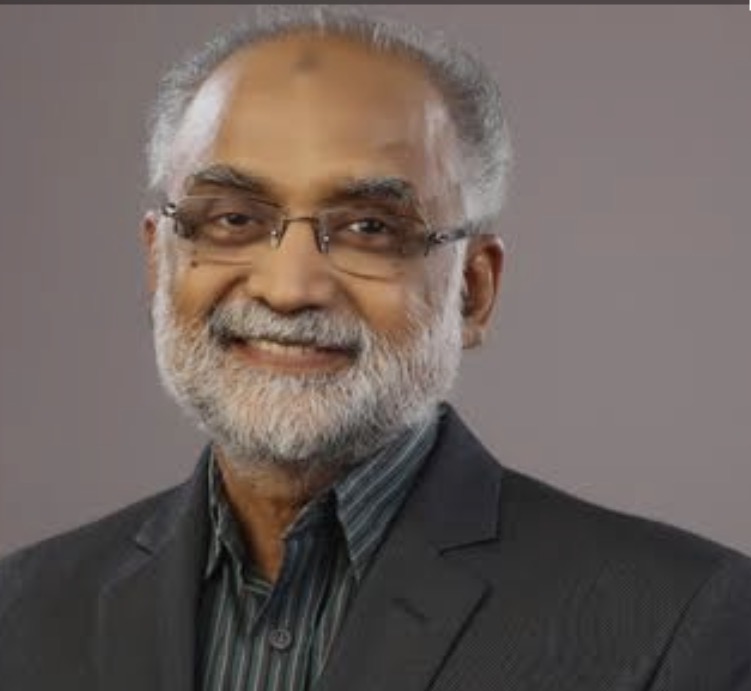
In the 1990s, in the semi-rural setting of Korambayil Hospital, Manjeri (Malappuram District), Dr. Rahman was already ahead of his time. He didn’t just treat patients; he built systems. He established a critical care setup in Manjeri that saved countless lives and initiated basic training to empower junior doctors and nurses in casualty management.

His heart, however, beat for the marginalized. He was deeply embedded in charitable trusts supporting educationally backward Muslim communities and was a pillar of the palliative care movement in Malappuram.

The "Triple A" Victory

When Aster MIMS (Calicut) began its journey in 2002 as the first corporate hospital in Kerala, Dr. Rahman was its heartbeat. He was the best companion to the passionate Medical Director, Dr. Abdulla Cherayakkat. Together with the Chairman Dr. Azad Moopen, they formed the "Triple A"—Abdulla, Abdul Rahman, and Azad. This trio was the engine behind the phenomenal, historic growth of Aster MIMS in its first 15 years.
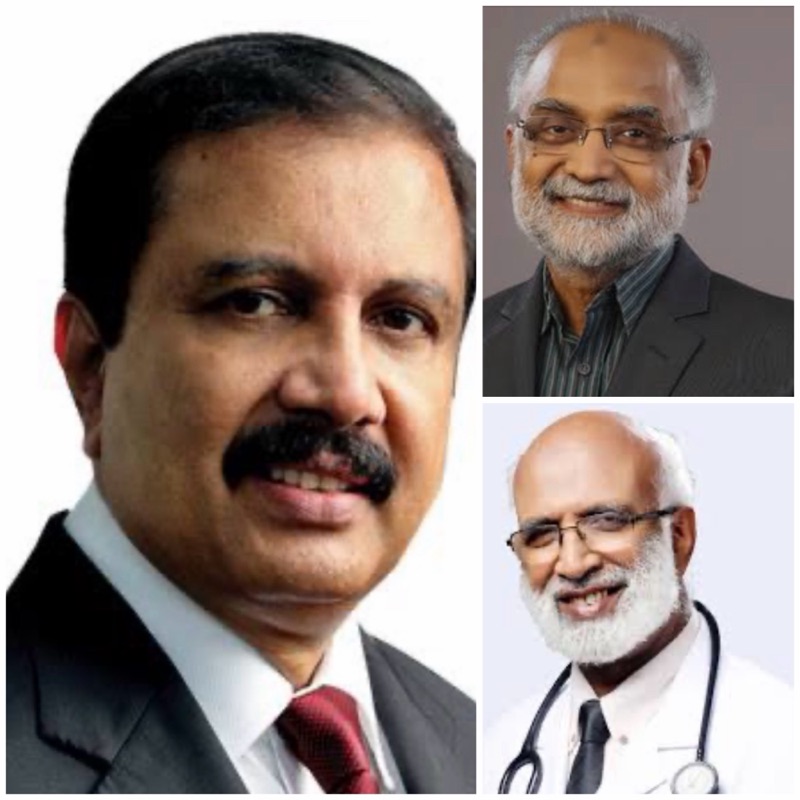
Dr. Rahman was the "live wire" who brought the Indian Society of Critical Care Medicine (ISCCM) to Calicut in the early 2000s. But for me, his legacy is personal. He was the driving force behind the MIMS School of Resuscitation. Because of his vision and support, I had the fortune of serving as the Director of this school for nearly a decade, overseeing massive public BLS training initiatives.

He was a mentor who didn’t just lead; he pushed. He supported me in launching the first Mobile ICU in Kerala (2005) and the first nurse-based EMS course at Aster. He was a true entrepreneur, administrator, and born leader.

Most poignantly, Dr. Rahman was a man of ethics. He had crystal-clear concepts regarding End of Life Care. He was a staunch advocate for DNR (Do Not Resuscitate) status in futile cases and was vocal against placing patients without medical hope on advanced ventilation.

The Strategist: Dr. E.K. Ummer

If Dr. Rahman was the architect of critical care, Dr. E.K. Ummer was the strategist of disaster management. A renowned General Practitioner from Nilambur and a senior leader of the Indian Medical Association (IMA), Dr. Ummer was a man of immense stature—State President of IMA, National leader in the IMA Disaster Management Cell, and a dedicated Rotarian.
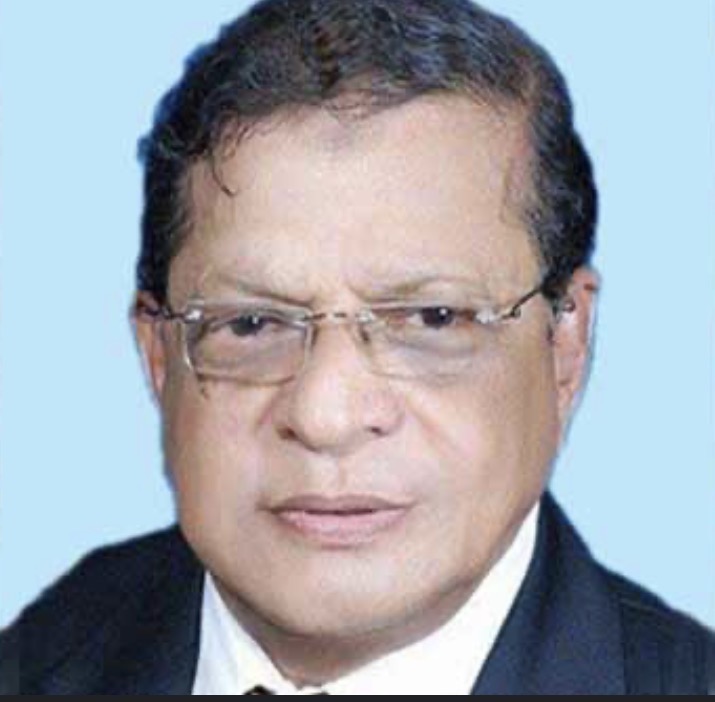
But to me, he was a friend whose hospitality was unparalleled. I remember the many visits to his home in Nilambur, surrounded by his love and affection.

We worked side-by-side during his tenure as IMA State President. He was the wind beneath my wings during the formation of the ANGELS network (Active Network Group of Emergency Life Support). As an office bearer of the Angels Malappuram unit, he was instrumental in creating a cohesive ambulance network across the district. He was a strategist, a mentor, and above all, a great human being.

The Arrival of the Suitcase

The tragedy of their departure is marked by an eerie, heartbreaking parallel.

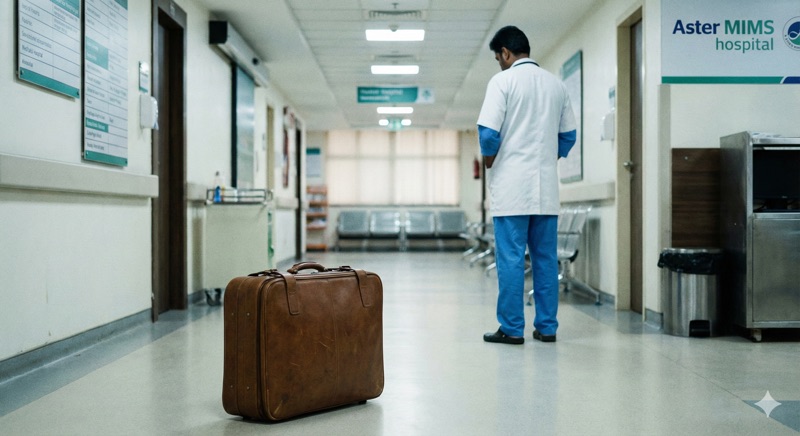
It was the tail end of the first COVID phase. One morning, Dr. Abdul Rahman walked into the Emergency Department. He had come straight from the airport, suitcase in hand, returning from the Middle East after visiting his daughter.

"I am suspecting I have COVID," he told me.

We did the initial evaluation. He was admitted to the Medical ICU. That was the last time I saw him as the man I knew. He deteriorated, requested a discharge to IQRA Hospital, and later suffered a stroke. He was shifted to Meitra Hospital and placed on a ventilator.

The irony broke my heart. The man who spent a lifetime advocating against futile ventilation for patients with no hope ended his journey on a machine he viewed with such ethical caution. He succumbed to the virus—a massive loss for the medical fraternity.

Shortly after, the nightmare repeated itself.

One morning, Dr. E.K. Ummer walked into the ED. Like Dr. Rahman, he was carrying a suitcase.

"I think I have COVID," he said, his voice laced with anxiety.

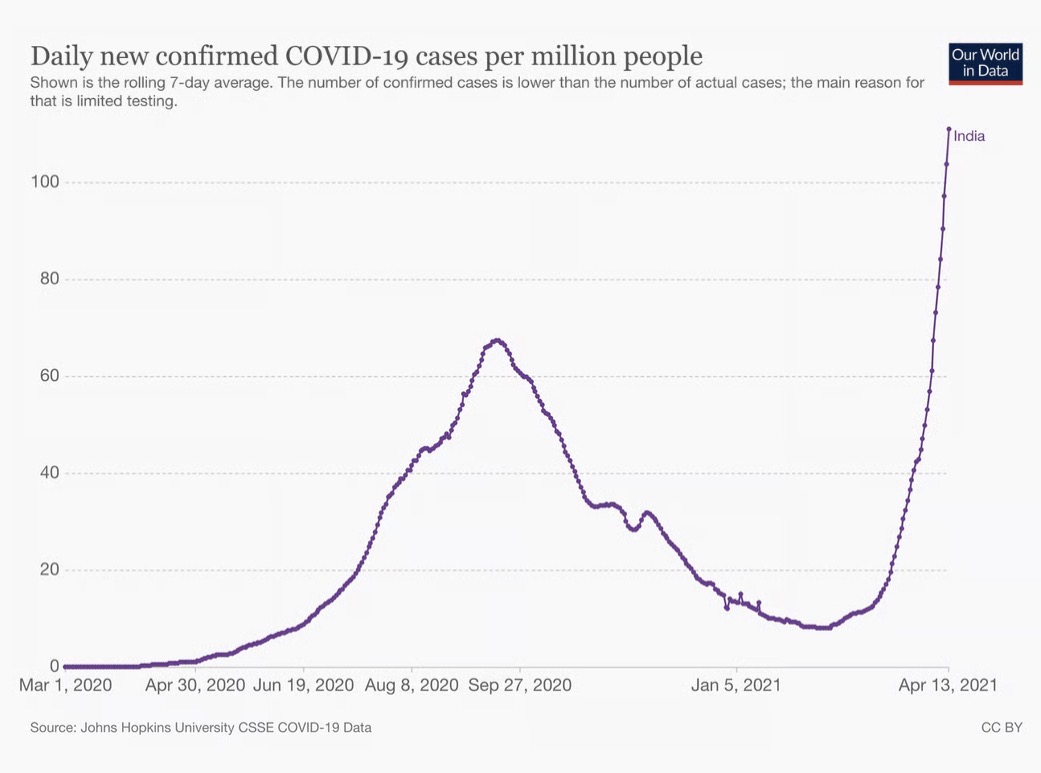
I took him to the acute care area. His SpO2 was already beginning to drop. We started oxygen, but by evening, he was shifted to the ICU on the second floor. It was the early, brutal phase of the second wave. He deteriorated rapidly, was intubated, and very shortly after, he too succumbed.

The Shock and The Regret

Writing this now, I am still gripped by the shock of those dark days. My favorite mentors were killed by a virus we were struggling to understand. I still have bad dreams of the second wave, the days I spent running a 100-bed makeshift COVID ICU, fighting a tide that seemed unstoppable.
But the bitterest pill is the timing.

In the later part of the second phase, a magical drug entered the market: Monoclonal Antibodies. With this drug, I was personally able to save more than 200 elderly, severely compromised, and co-morbid patients from death.
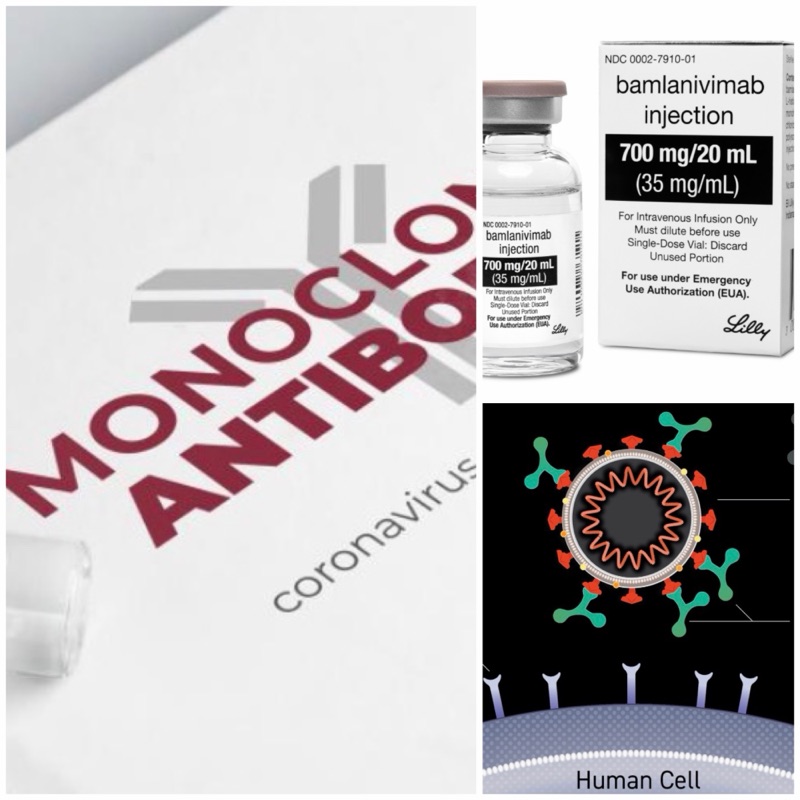
It is a thought that haunts me: If only this drug had been available a few months earlier.

I strongly believe that if Dr. Rahman and Dr. Ummer had access to Monoclonal antibodies, they would have benefited. They would likely still be here today—guiding us, scolding us, and leading us.

We lost two pillars of Kerala’s medical history to the timing of fate. But while they are gone, the systems they built—the critical care units, the ambulance networks, the resuscitation schools—remain. They live on in every life saved by the infrastructure they helped create.

Rest in peace, my mentors. You are missed, but never forgotten.


Friday, January 2, 2026

A Year of Milestones, Goodbyes, and Proud Family Moments.


As I look back at 2025, I see a year defined by transformation. It was a year of immense professional satisfaction, deep emotional pivots, and family pride.

The year began with significant milestones at Aster MIMS. We successfully conducted the EmergenZ 3 International Emergency Medicine series in Wayanad and achieved International Accreditation for STEMI and Stroke from the AHA. One of my long-standing dreams—the establishment of the Aster Medical Simulation Center and the Aster ATLS Training Center—also became a reality.

I am also humbled to have received the Asianet Lifetime Achievement Special Jury Award and the AHA Special Appreciation Award this past year.

On a personal note, 2025 brought a huge success for my family. My daughter, Dr. Neethu, and son-in-law, Dr. Kamel Dev, who are currently working at Hillingdon NHS Trust, successfully completed their FRCEM exams under the Royal College of Emergency Medicine, UK. Seeing the next generation excel in Emergency Medicine is a joy beyond words.


However, the year also marked the end of an era. After nearly 25 years with the Aster Group, I voluntarily resigned. It was a difficult decision to say goodbye to an organization that has been my home, and even harder to bid farewell to my mentor, Dr. Azad Moopen, who molded me into the professional I am today.

But every end is a new beginning. I am thrilled to have taken charge as Chair of Emergency Medicine at Meitra Hospital and joined as Guest Faculty at Malabar Medical College. My focus is now on empowering Rural Emergency Systems in Kerala, with 6 projects already completed and more in the pipeline.

Here is to 2026—to saving lives, building legacies, and strengthening our communities.

#EmergencyMedicine #FRCEM #FamilyPride #NewBeginnings #MeitraHospital #RuralHealthcare #Kerala


Wednesday, December 31, 2025

33 Years on Insulin, Gone in a Week: My Health Revolution of 2025


Category: Personal Journey / Health Technology 

Date: December 31, 2025

Disclosure: I have no financial interest, affiliation, or commercial relationship with Tracky, Eli Lilly (manufacturer of Mounjaro), Apple, or any other companies mentioned in this article. All products and medications discussed were purchased by me for personal use. I am sharing this story purely out of excitement for the results I have experienced and to share knowledge with the medical community and patients.D

Introduction: The Long Road

If you had told me in 1992 that I would one day live without my daily insulin injections, I would have told you it was medically impossible.

I was diagnosed with diabetes at the age of 29. I am now 62. For over three decades—more than half my life—my daily routine has been dictated by blood sugar levels, needles, and the constant fear of hypoglycemia.

But the second half of 2025 brought a convergence of technology and pharmacology that didn't just improve my condition—it completely rewrote my medical history. Here is the story of how three specific innovations gave me my life back.

The Struggle: From Porcine to Human Insulin

My journey began in an era that young doctors today might find archaic. In 1992, the only formulation available was Porcine (pig) insulin. My body rejected it; I developed severe allergies. We switched to Bovine (cow) insulin, but my body fought that too, developing severe insulin resistance.


It wasn't until 2000 that Human insulin became available, offering me some stability. I did everything "right." I practiced yoga, modified my lifestyle, and exercised religiously. Yet, maintaining control was a battle.(Human Insulin - helped me overcome allergy and insulin resistance )
From 2010 onwards, I checked my blood glucose (GRBS) twice a day to titrate my insulin. Despite this, my HbA1c hovered stubbornly between 8.5and 10.5%. I was taking massive doses—escalating to 40-50 units in the morning and evening, plus oral medications. I lived with the constant seesaw of post-prandial (after eating) spikes and dangerous nocturnal hypoglycemia.

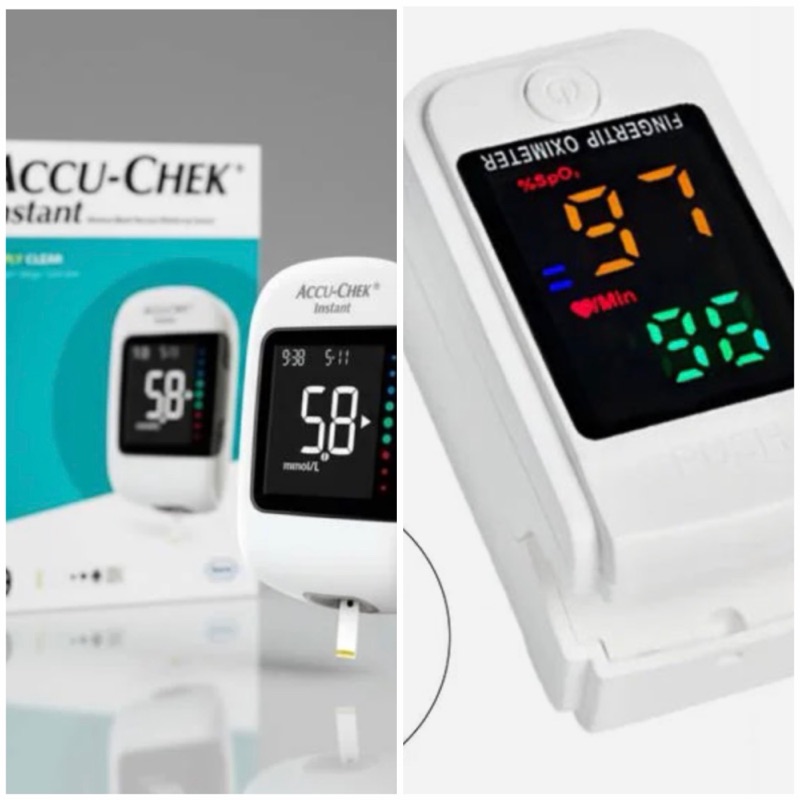
I was managing the disease, but I wasn't winning. Until August 2025. (In my experience, the finger prick -glucose strip method of glucose monitoring was reasonably accurate while the finger flip method, similar to SpO2 monitoring, was erroneous and unreliable.)

1. The Eye-Opener: Continuous Glucose Monitoring (CGM)

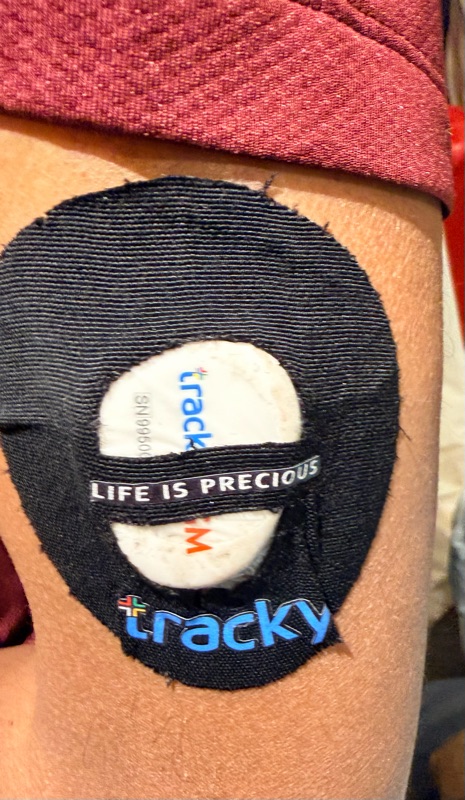
In August 2025, I decided to purchase a CGM from Tracky. That small sensor made a massive difference.

For years, we doctors have relied on Fasting Blood Sugar (FBS) and Post-Prandial Blood Sugar (PPBS) as the "gold standards." My experience with CGM taught me that relying on these spot checks is, frankly, foolish. They miss the movie because they are only looking at two snapshots.

Reading on 31-12.2025 at 1.20pm 
HbA1C-4.59%

The real-time data from the CGM gave me actionable insights. I saw exactly which foods caused rapid spikes. I understood the precise timing of my insulin requirements. By following the data, I reduced my insulin and brought my HbA1c below 6.5 for the first time in my life 

Tracky receiver on my arm 

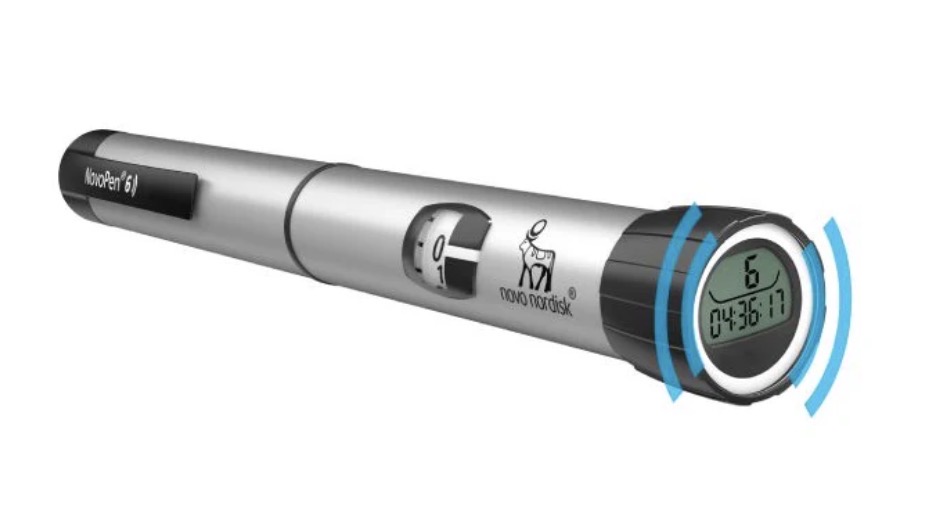
2. The Miracle: Tirzepatide (Mounjaro)

While the CGM gave me control, a new molecule gave me freedom.

Late this year, I began researching Tirzepatide (Mounjaro). While it has become famous globally for weight loss, its primary indication is Type 2 Diabetes. I consulted with Dr. Vimal, an expert in endocrinology, and cross-checked with trusted colleagues. The reviews were overwhelmingly positive.

I took my first weekly injection in the first week of December. The results were immediate and startling.

Before I could even take my second dose, I stopped my insulin.

Read that again. The insulin I had relied on for over 30 years was no longer necessary. My CGM currently projects my HbA1c to be below 5, a non-diabetic range. My weight has optimized to 70 kg (down from 75kg earlier this year). It feels like a biological reset.

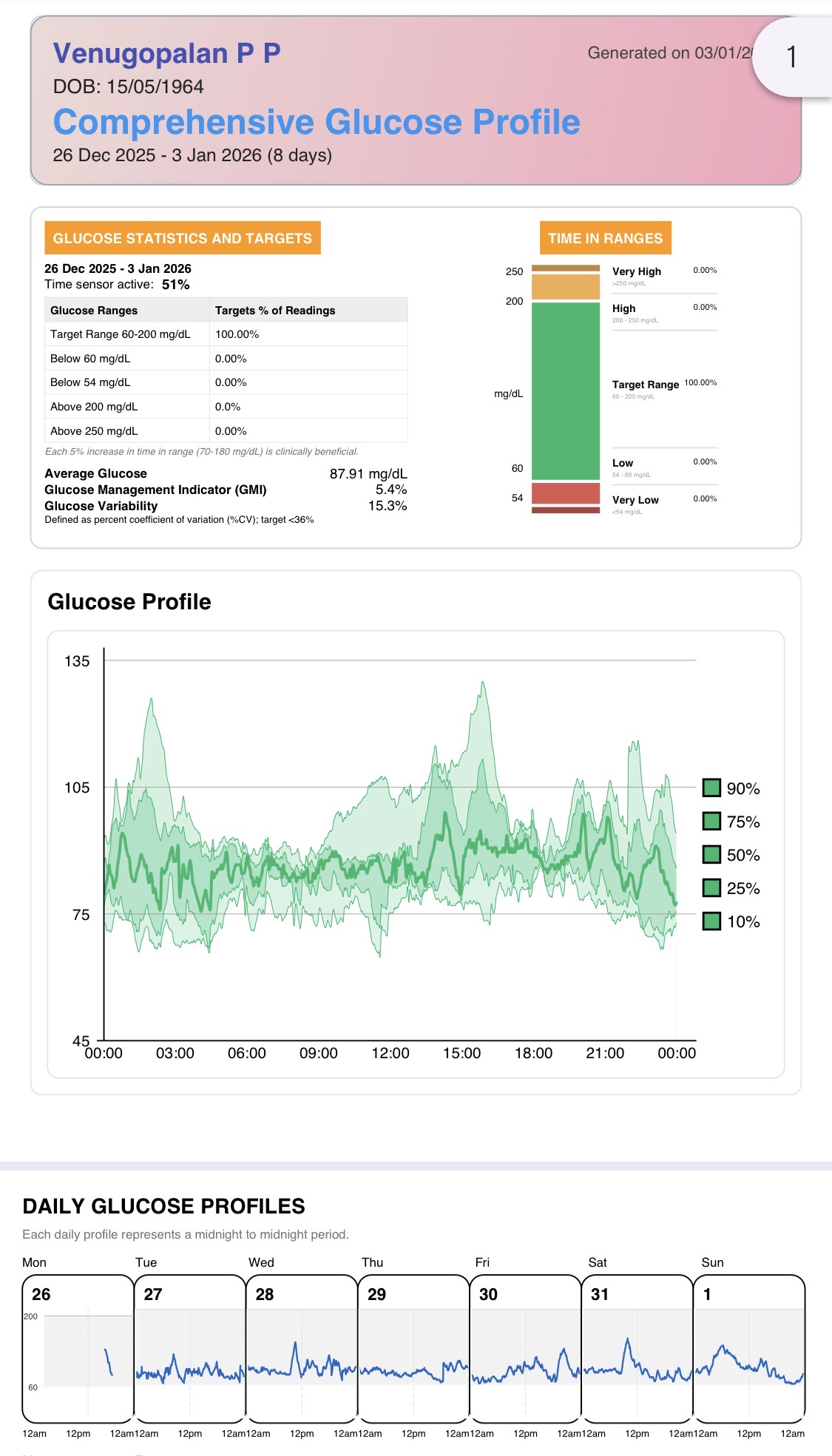
The Tracky health app generated a comprehensive glucose profile for me. This is the first time in my life, after turning 29, that my blood sugar levels are 100% within the target range (TIR). I’m off insulin and the dual impact of Maunjaro and CGM is working. 

3. The Companion: iPhone 17 Pro Max & AI

To navigate this new chapter of health, I needed technology that could keep up. I have been an Apple user since the iPhone 6 era, moving from the 13 Pro to the newly released iPhone 17 Pro Max.

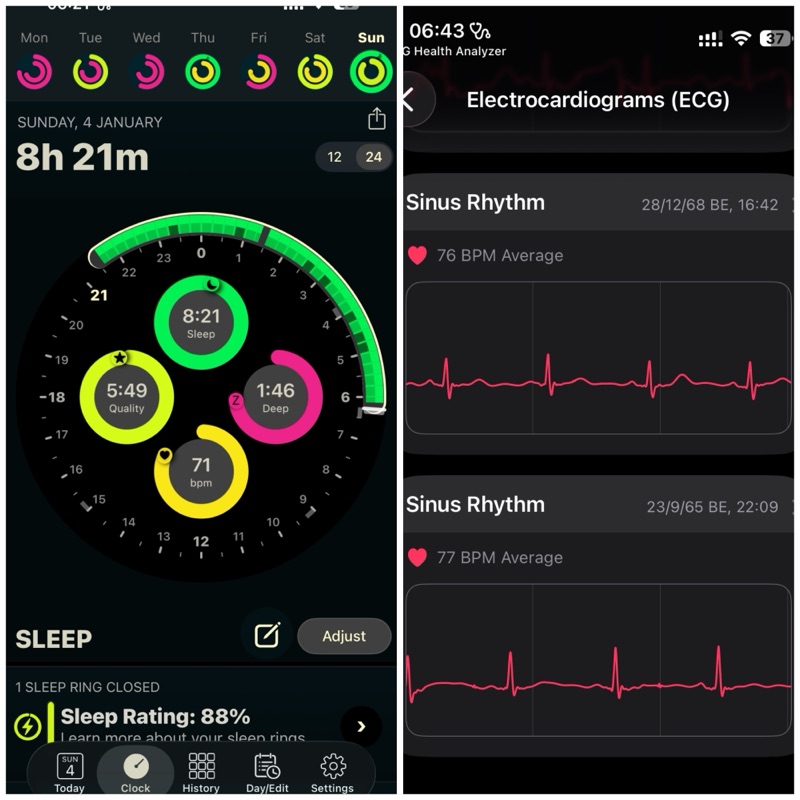
With the integration of AI, this phone has become my dedicated health companion. It is no longer just about communication; it is about bio-feedback. The synergy between the Health app, Sleep app, ECG, and the Snore detection features gives me a holistic view of my recovery. It monitors the quality of the sleep I am finally getting now that I don't fear nocturnal hypoglycemia.

Conclusion: A New Lease on Life

As I step into 2026, I am not just a doctor treating patients; I am a testament to the speed of medical advancement.

It took a combination of Data (CGM), Pharmacology (Tirzepatide), and AI (iPhone 17) to undo 33 years of chronic illness. To my patients and colleagues: never stop looking for better solutions. The tools to reclaim our health are finally here.


Dr. Venugopalan P.P Emergency Medicine |  www.docvenu.com


Friday, December 26, 2025

A new space for the next chapter

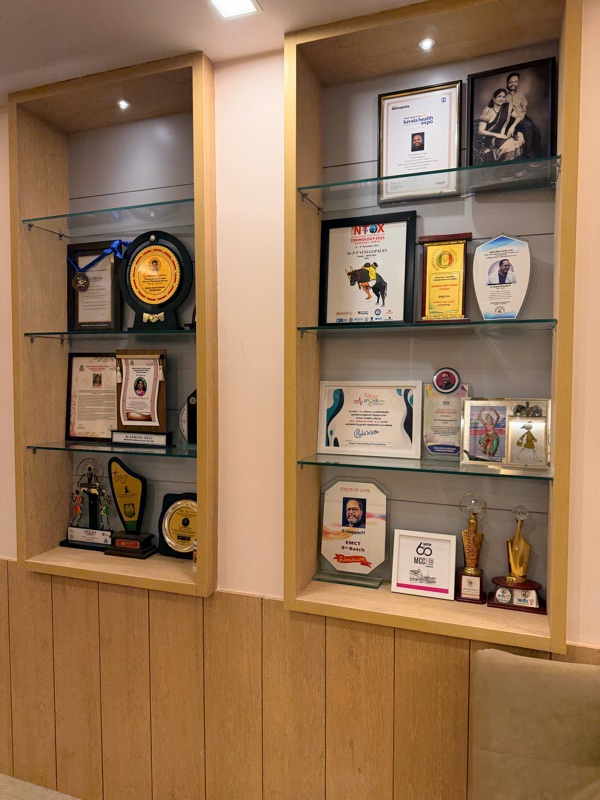
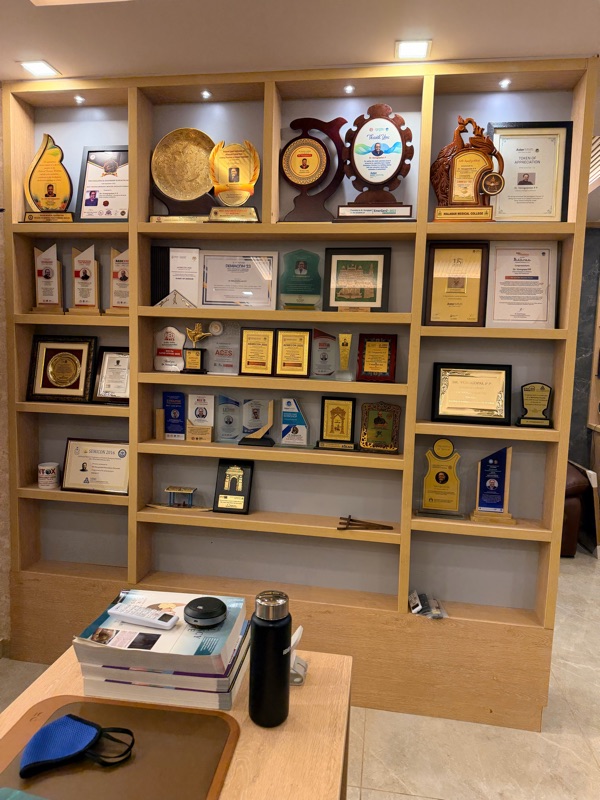
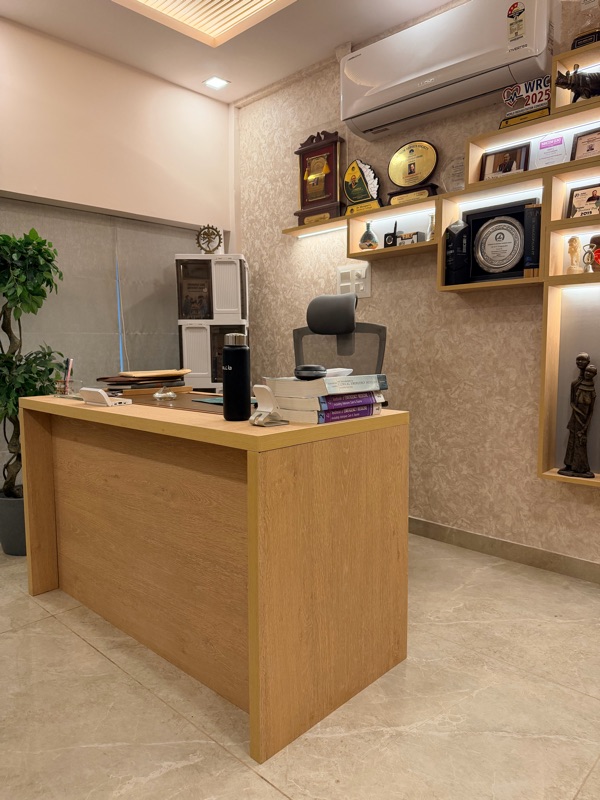
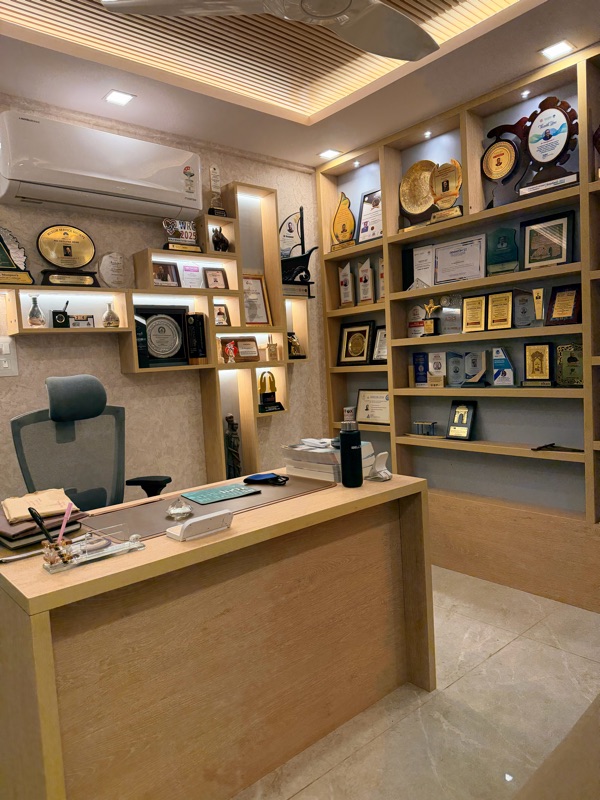
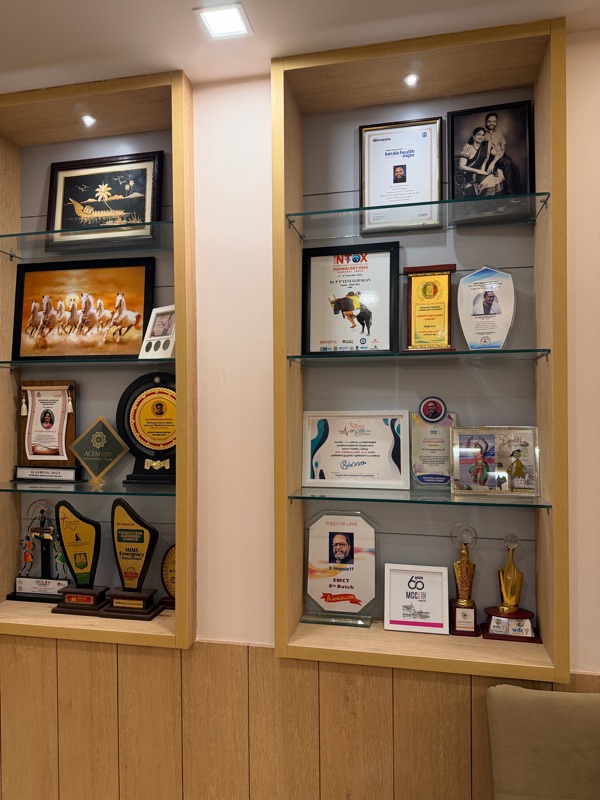
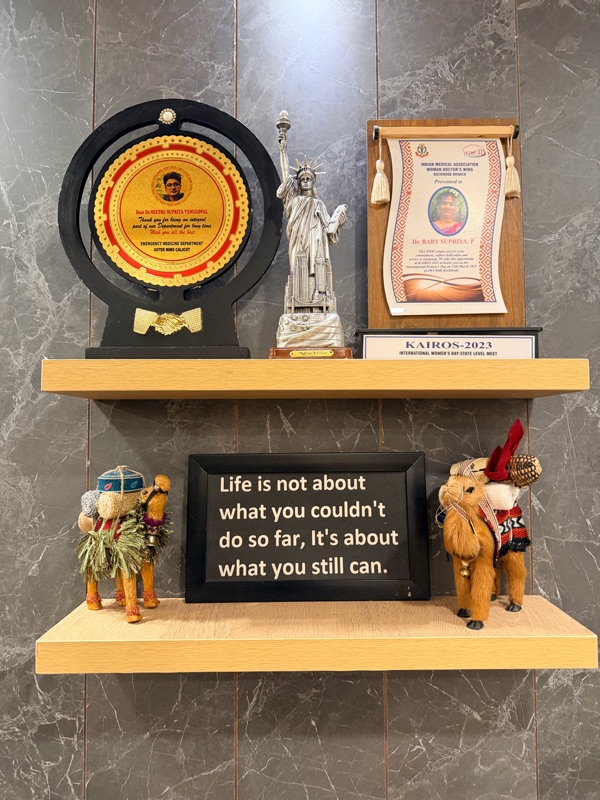
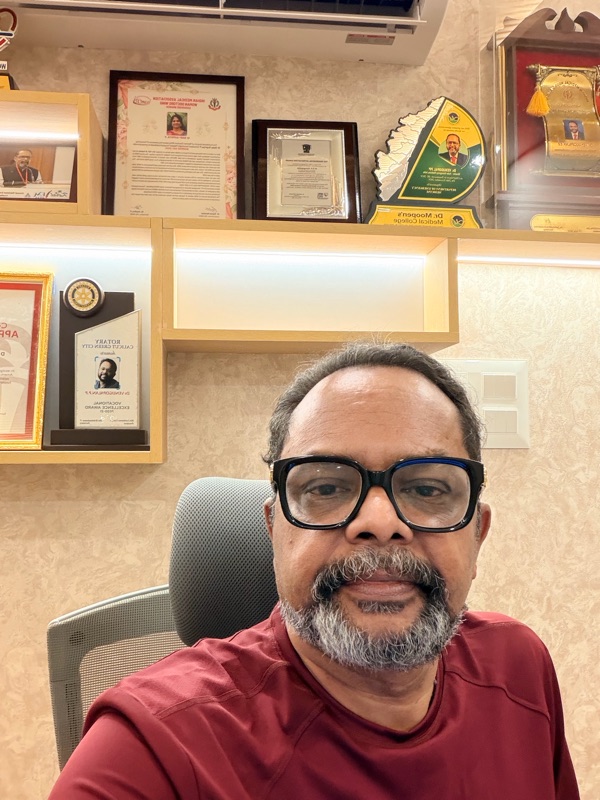
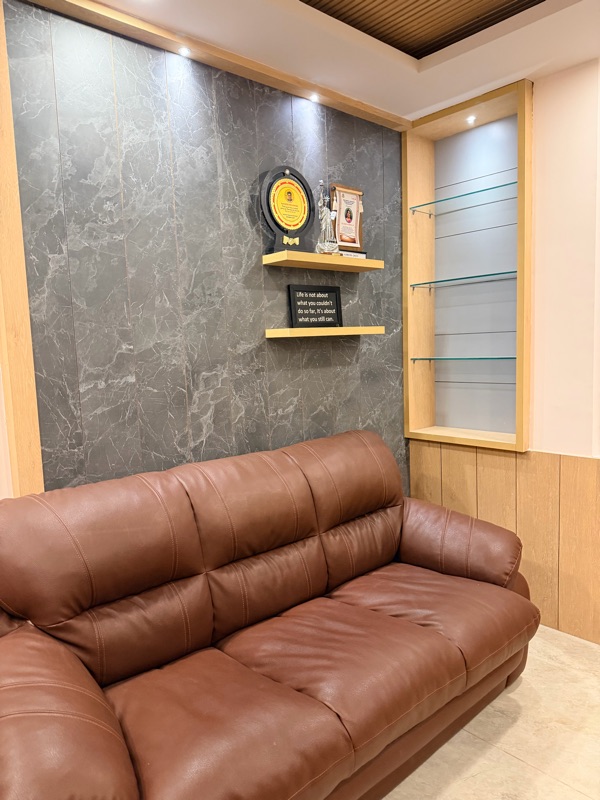
This new space is more than just four walls and a desk; it is a curation of my life’s journey. Surround me here are the echoes of the last 25 years—tangible memories, lessons learned, and the milestones that have defined my path.

But this room isn't a museum; it is a workshop for the mind. It is a dedicated sanctuary of silence where I can sit peacefully, away from the noise of the world. Here, amidst the comfort of the past, I find the focus to read deeply, write with clarity, and prepare for what lies ahead. It is the grounding point where the wisdom of yesterday meets the potential of tomorrow.

https://www.docvenu.com/gallery/#newoffice


Thursday, December 18, 2025

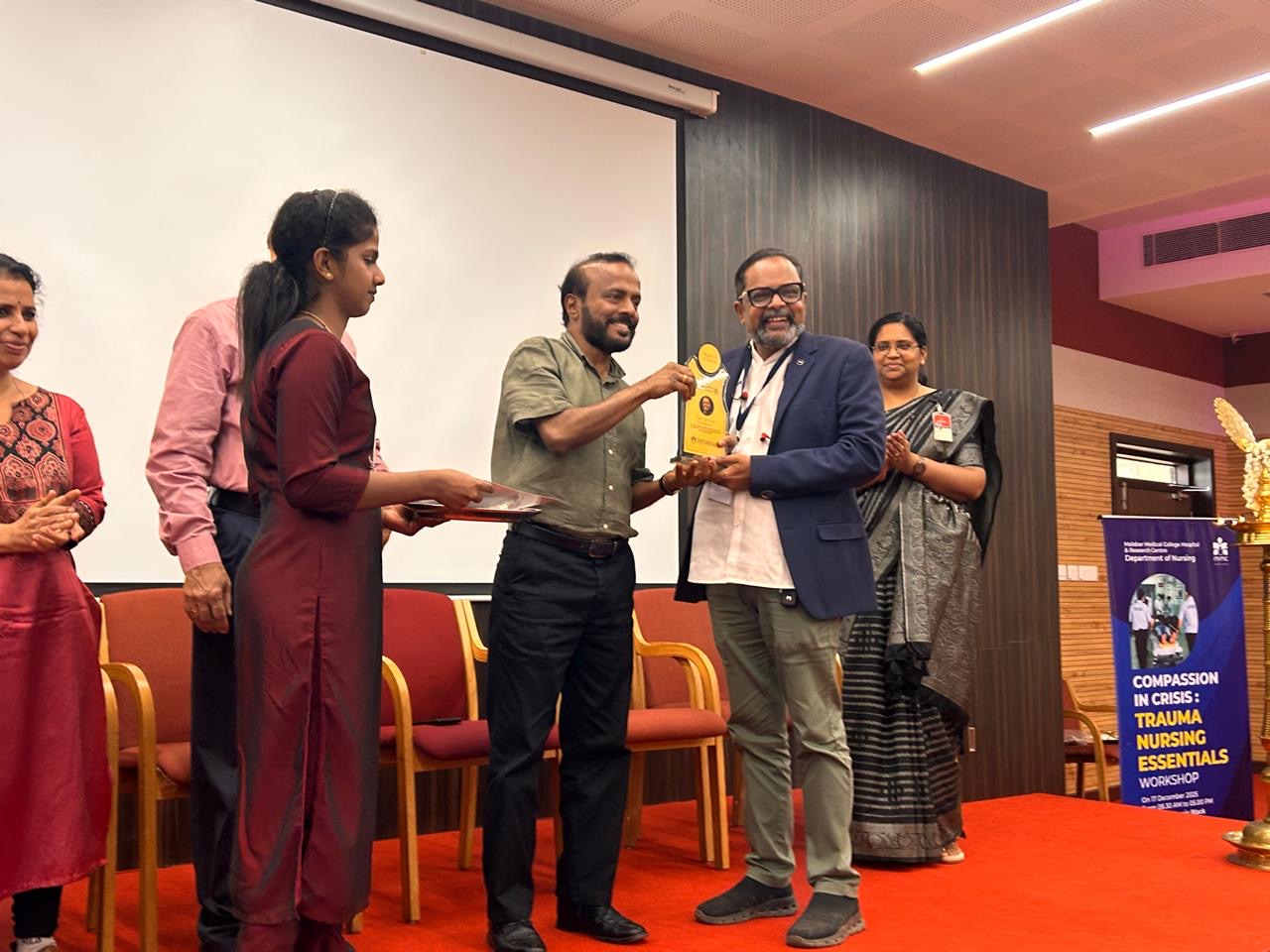
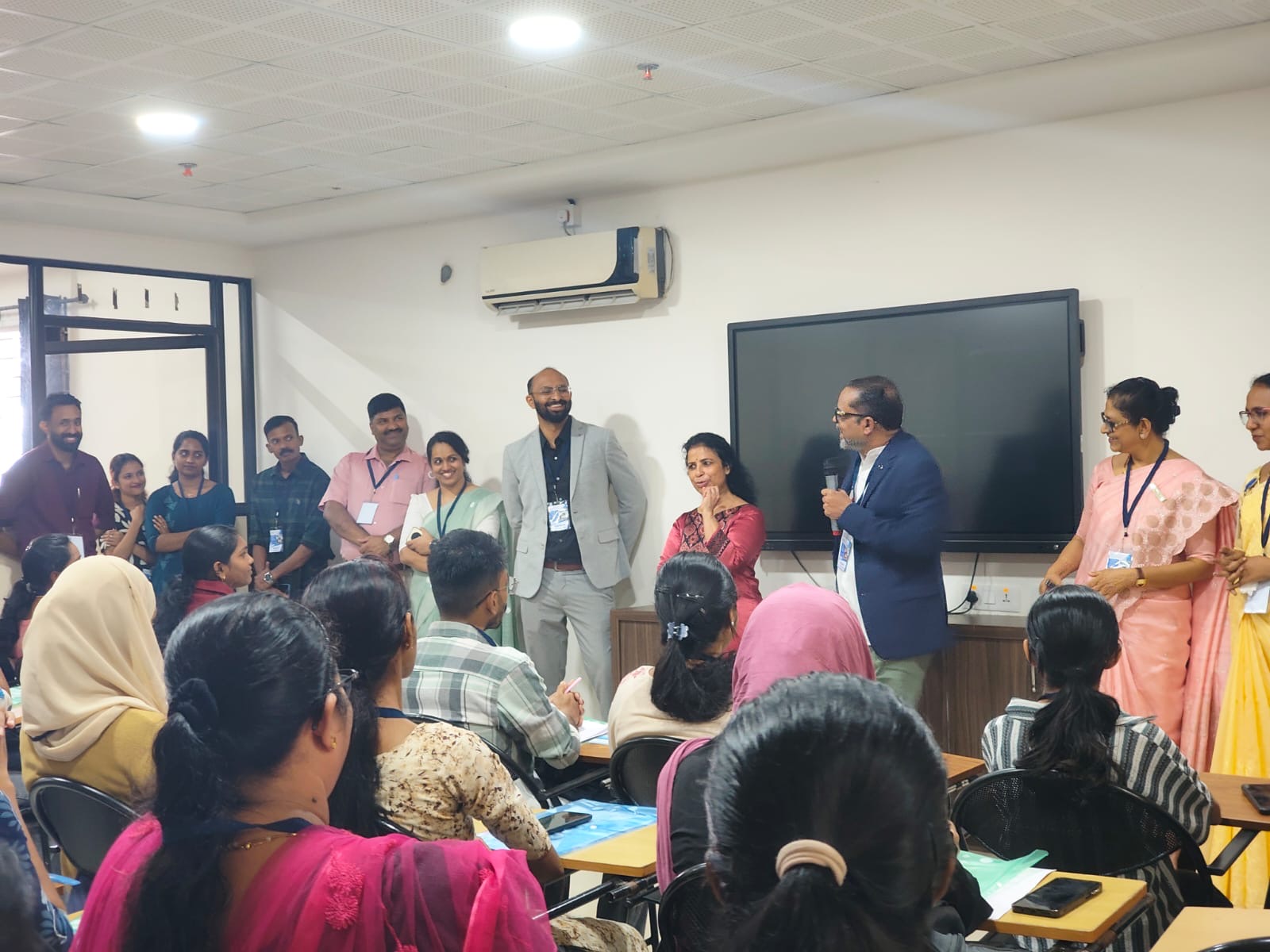
​Empowering the Frontlines: Reflections on the "Compassion in Crisis" Trauma Workshop

Empowering the Frontlines: Reflections on the "Compassion in Crisis" Trauma Workshop

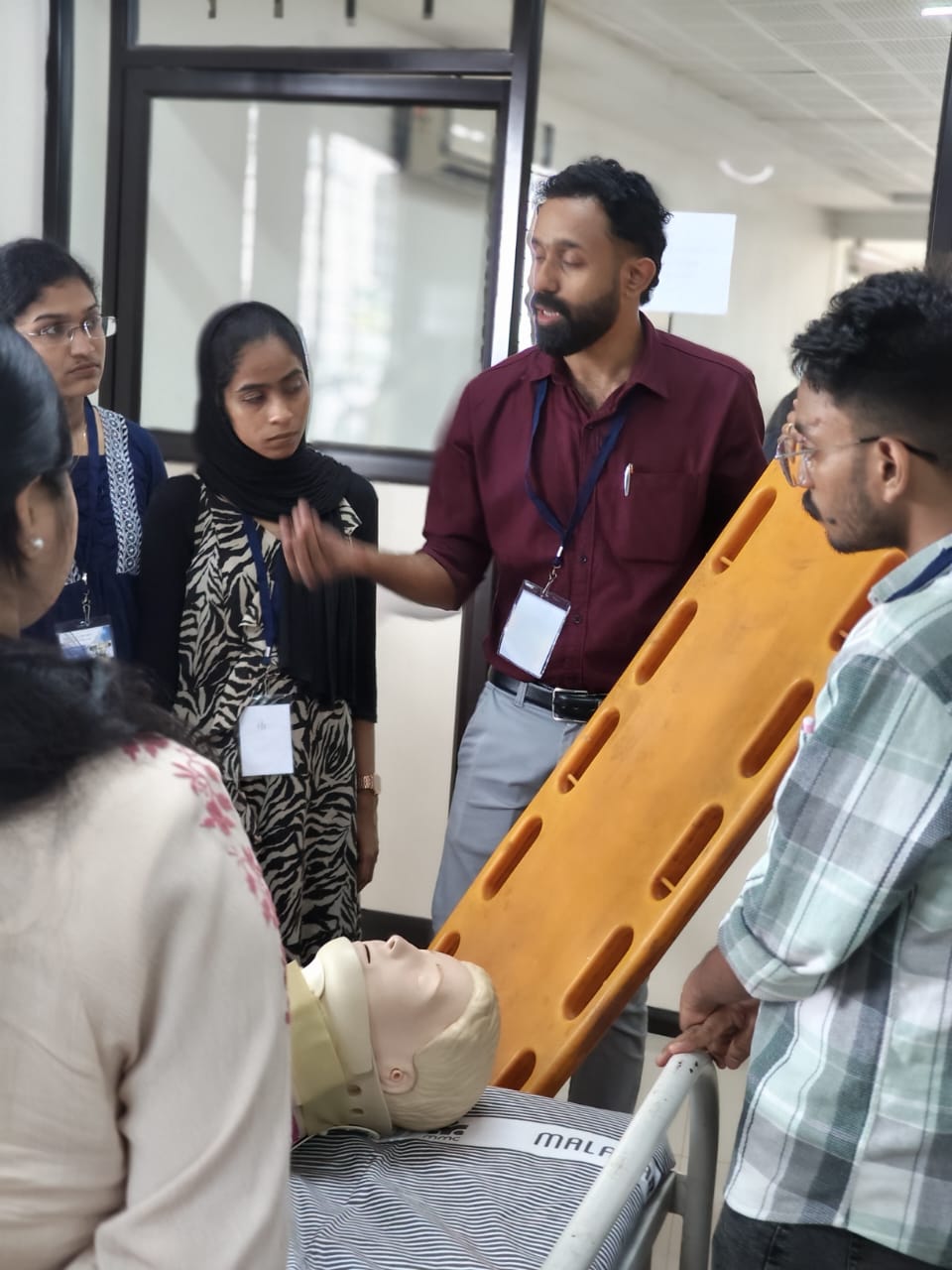
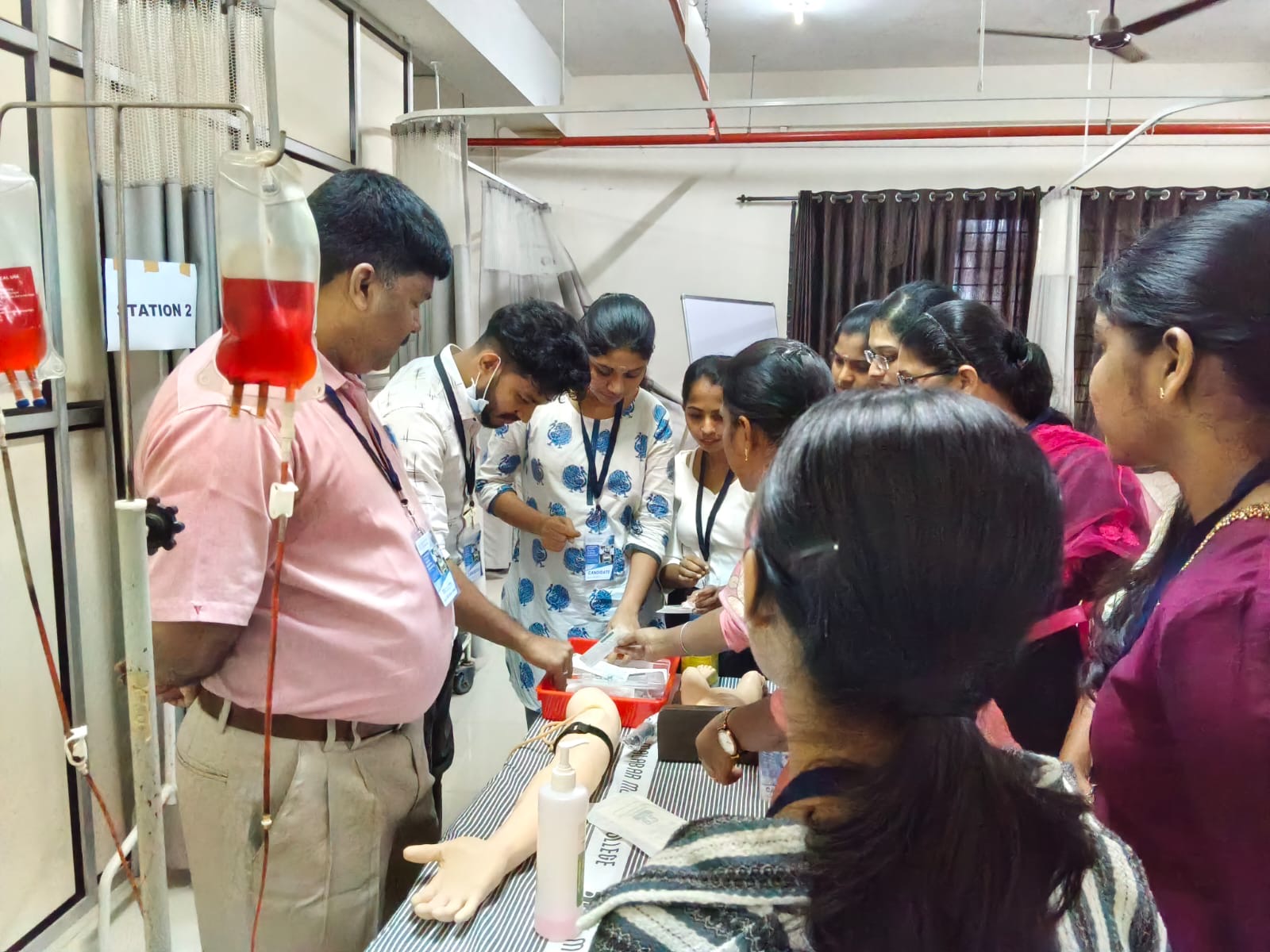
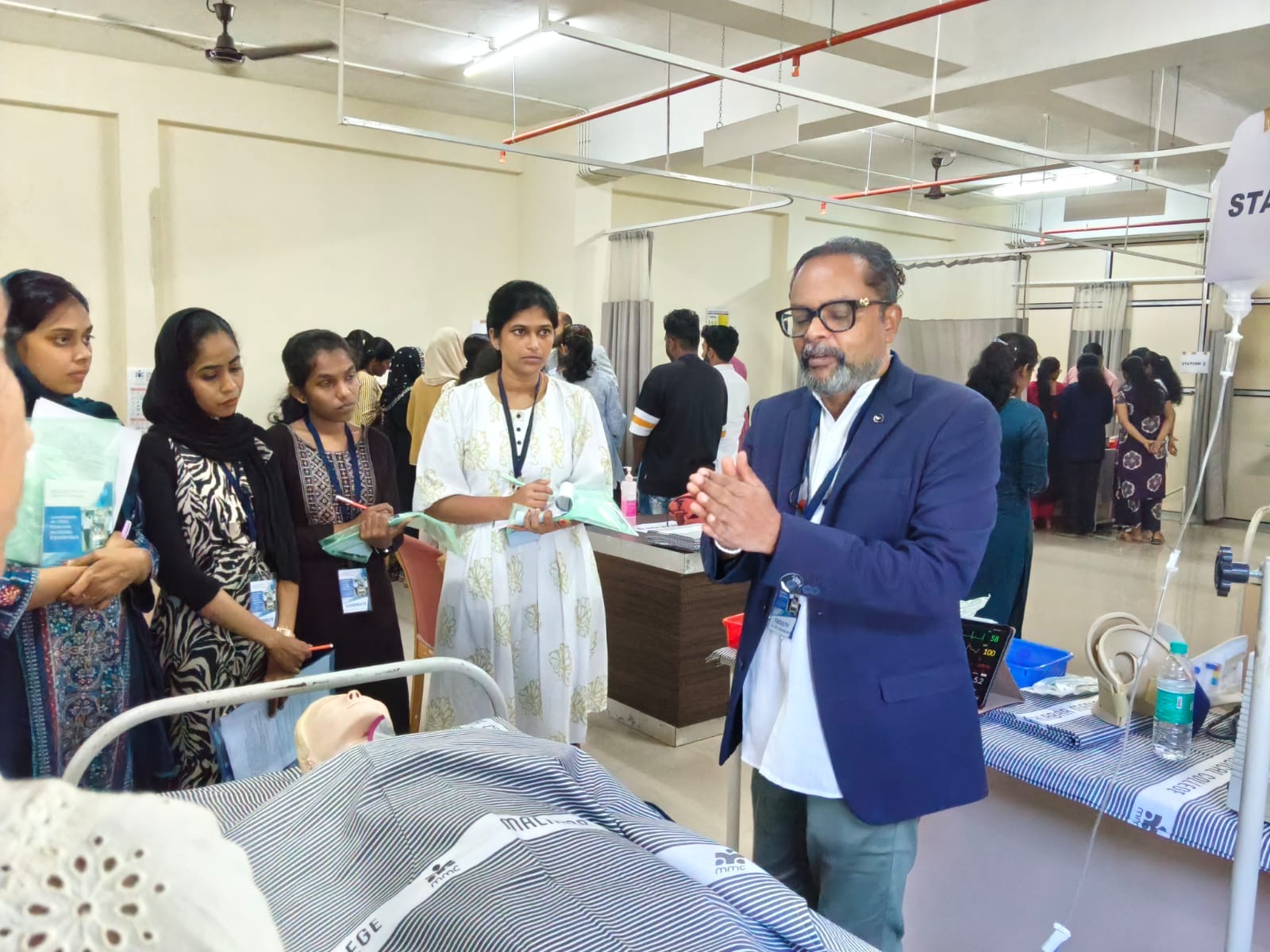
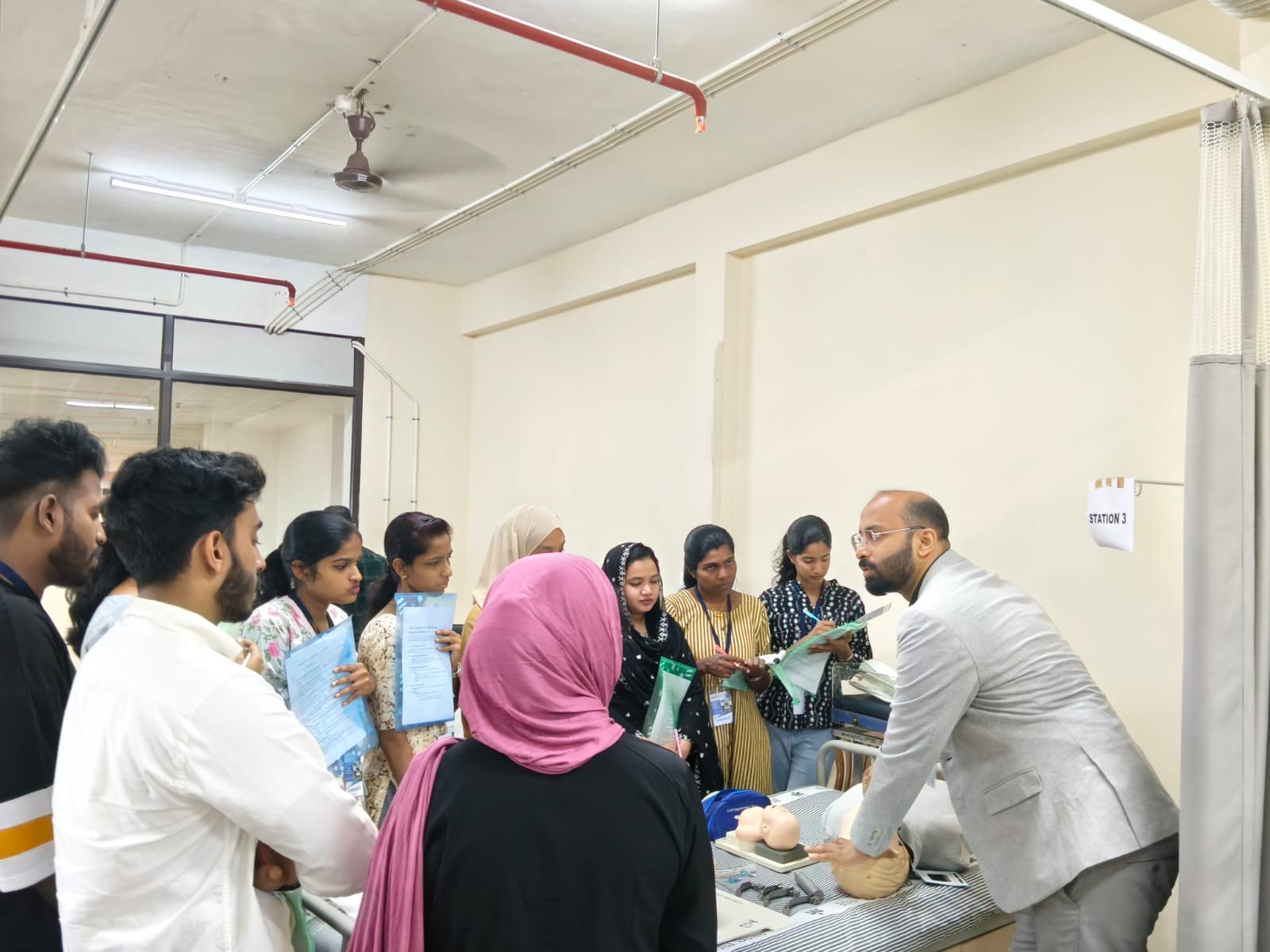
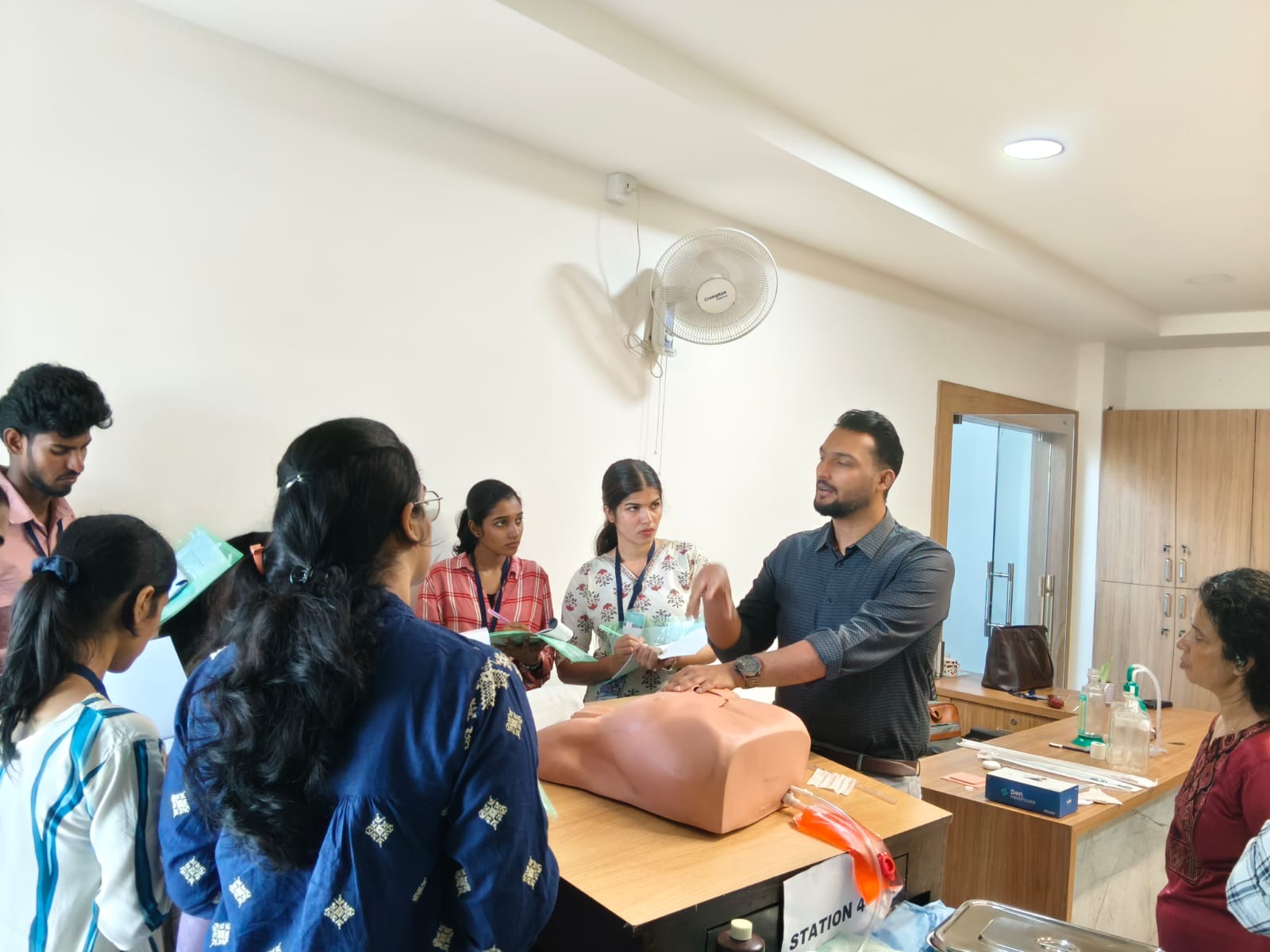
I had the privilege of serving as the designer and faculty for a high-intensity, one-day Trauma Emergency Workshop at Malabar Medical College (MMC), Ulliyeri.

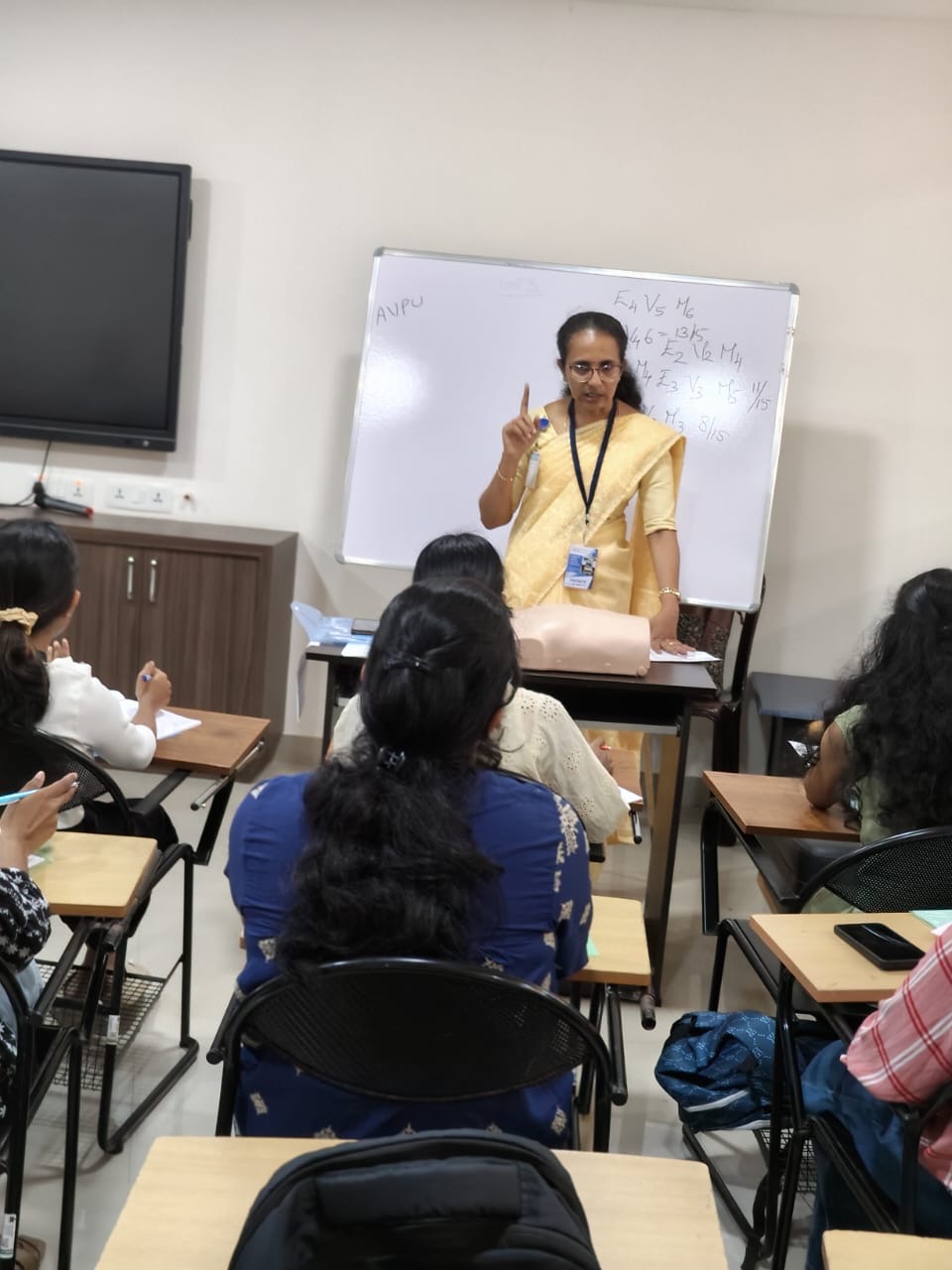
Simulation-based training is the heartbeat of modern trauma care. We hosted 44 enthusiastic RNs and paramedics from across Kerala (Calicut, Vatakara, Palakkad, Malappuram) and Coimbatore for a deep dive into 10 life-saving skills—ranging from Tube Thoracostomy and Hemorrhage Control to SBAR Communication.

Highlights of the Day:

• Hands-on Mastery: Intensive stations in the MMC Simulation Lab.

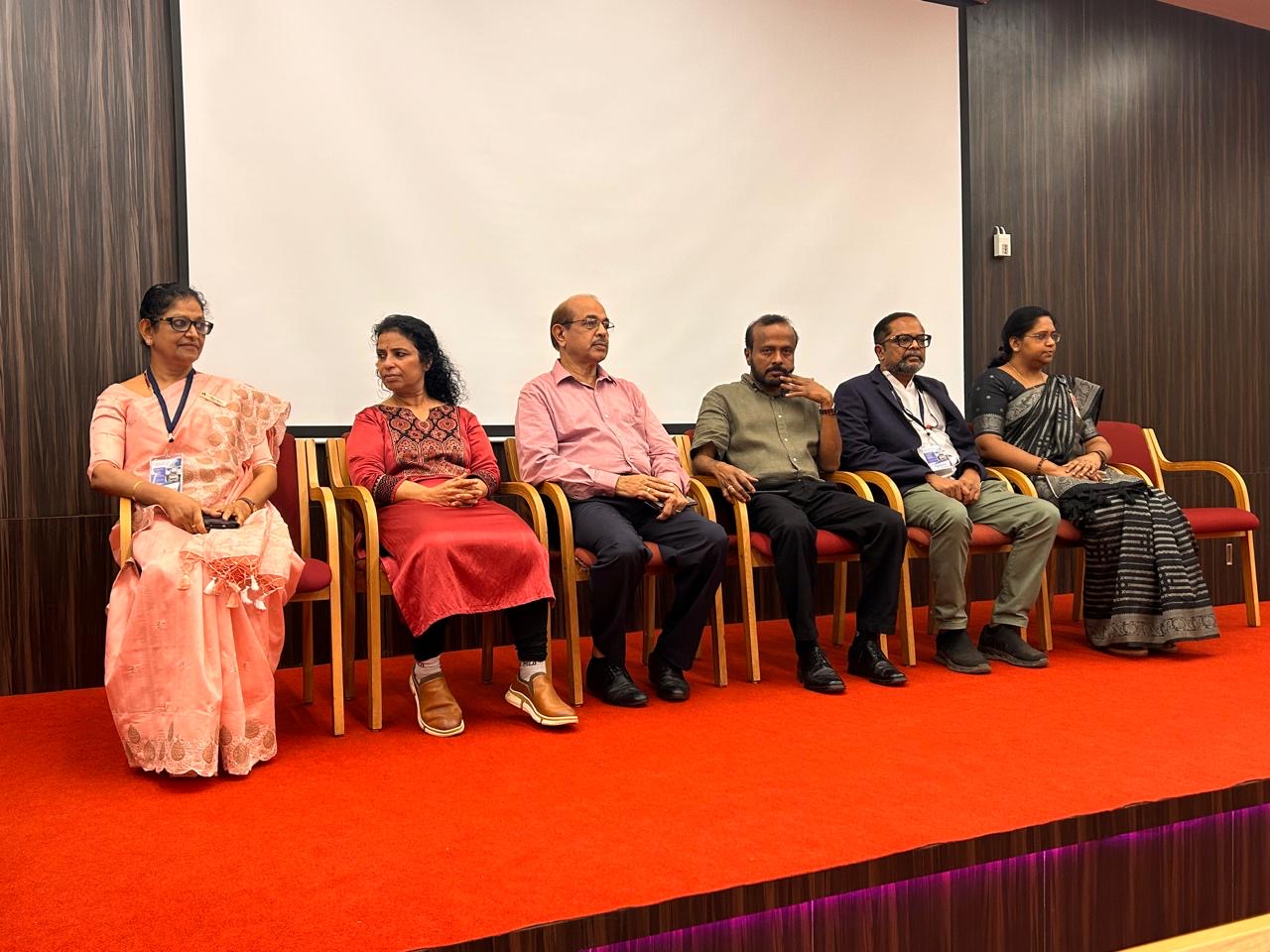
• Expert Mentorship: Collaborating with a veteran faculty team (10+ years exp) including Dr. Sudha Anil, Dr. Sajith Kumar, Dr. Firoz, and Dr. Shafin , Soumya , Bibin , Soniya , Varun and other nursing educators. 

• Quality Assurance: Validated through 360-degree feedback and pre/post-testing.

A special thanks to the MMC Chairman Mr. Anil Kumar and Principal Dr. P.V. Narayanan for their leadership. This program was a testament to the synergy between the MMC Nursing College and Nursing Department, led by coordinators Ms. Leelamma, Jorly,Soniya, and Varun.

A heartfelt shoutout to Dr. Sudha Anil (MD, MMC)—the true "live wire" whose unwavering support made this vision a reality.

#TraumaCare #MedicalEducation #NursingSimulation #EmergencyMedicine #CompassionInCrisis #MMC #HealthcareTraining

Monday, December 15, 2025

ATLS course reflections

📝 ATLS Course Faculty Reflection

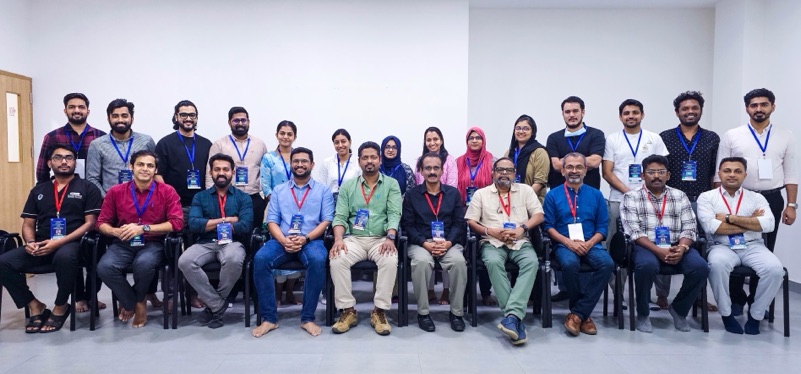
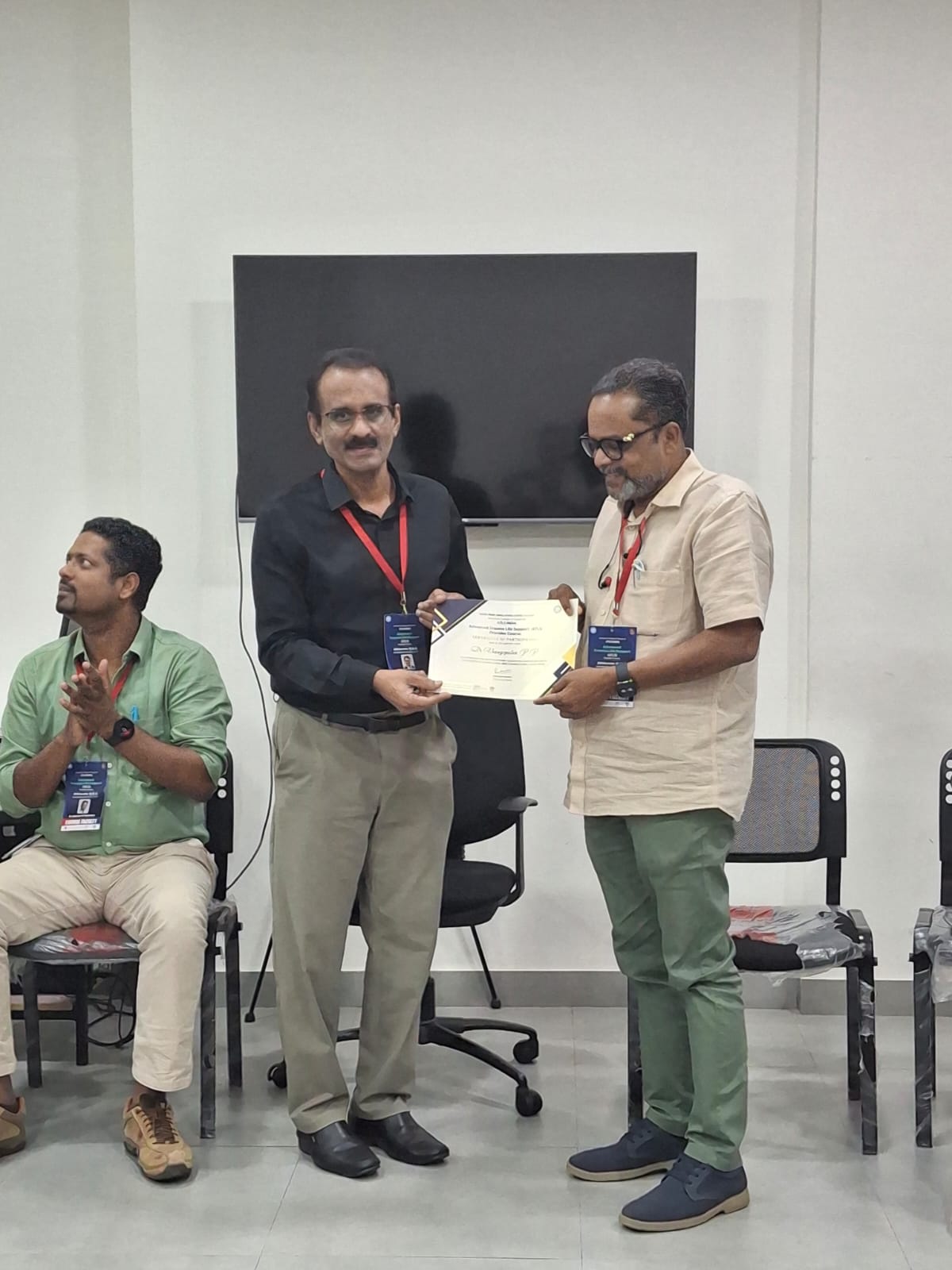
This reflection note summarizes my experience as a guest attendee/faculty member at the ATLS (Advanced Trauma Life Support) Course held at the Aster Simulation Center in Kozhikode, conducted under the auspices of ATLS India.

Course Experience and Structure

It was a pleasure to attend this ATLS course, resuming my association as faculty, a role I have held since 2009. The course continues to be a well-conducted, well-structured, and focused educational experience. It consistently provides an excellent opportunity for interaction for both students and faculty.

The two-and-a-half-day format is highly effective, ensuring that students receive ample opportunity to learn the essential principles of managing a polytrauma case, even in limited resource settings.

Faculty and Leadership

The course was expertly directed by Dr. Radesh Numbair in Kozhikode. He was supported by a highly capable team of faculty members, including Drs. Jinesh, Johnson, Nirmal Peter, and Kirishbakumar. Their combined expertise ensured a high-quality learning environment.

Nostalgia and Center Legacy

Attending this course was a deeply nostalgic experience. The Aster Simulation Center in Kozhikode is a facility that I had the privilege of establishing, and it stands as my last project with Aster before my departure. Seeing the center actively hosting such a critical course was immensely gratifying.

Delegate Participation

The course delegates were outstanding. Their participation, interactions, and performance were excellent, demonstrating a strong commitment to learning the vital skills necessary for trauma care.

This ATLS course at the Aster Simulation Center successfully upheld the high standards of the program, reflecting strong leadership and dedicated faculty, all while training a highly motivated cohort of future trauma care providers.


Sunday, December 7, 2025

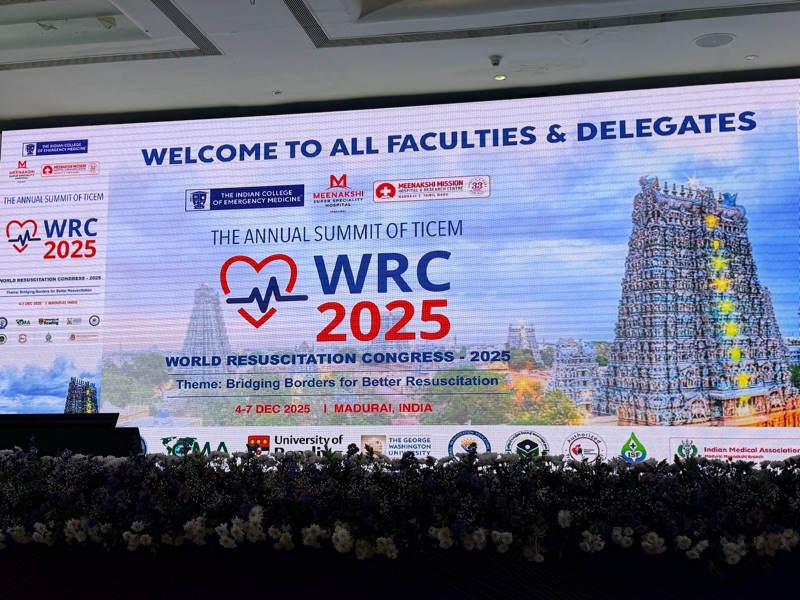
Reflections : World Resuscitation Congress (WRC) 2025 Date: December 6 & 7, 2025


Location: Courtyard by Marriott, Madurai

Organizers: Indian College of Emergency Medicine (ICEM) and Meenakshi Mission Hospital

1. Event Overview

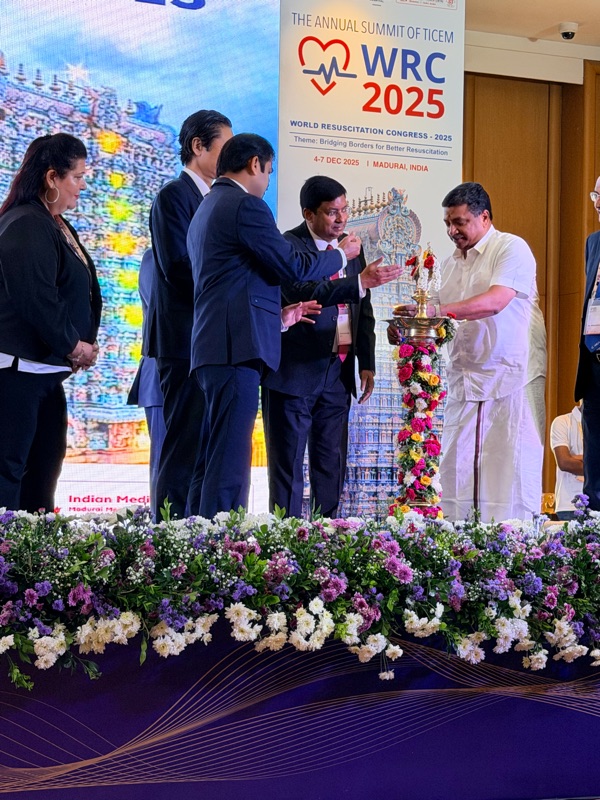
The World Resuscitation Congress (WRC) 2025 was held successfully on December 6th and 7th in Madurai, preceded by a comprehensive series of pre-congress workshops on December 4th and 5th. Organized jointly by the Indian College of Emergency Medicine and Meenakshi Mission Hospital, the event served as a global convergence point for Emergency Medicine (EM) professionals.


The congress attracted significant global participation, with faculty and delegates arriving from various countries and prestigious national institutes, including strong representation from various AIIMS campuses.

2. Leadership and Organization

The success of this congress is a direct reflection of the commitment and tireless efforts of Dr. Narendra Jena. Truly the "live wire" of the event, Dr. Jena’s magnanimity and deep connection with both the medical fraternity and the government were evident throughout. As one of the most respected figures in Tamil Nadu, his ability to spread awareness regarding Emergency Medicine in Madurai is commendable.

Key organizational highlights included:

 * Inauguration: The event was inaugurated by the Honorable IT Minister of Tamil Nadu in a function that was crisp, impactful, and well-received.

 * Scientific Leadership: Dr. Yunus from AIIMS served as the Chair of the Scientific Session, ensuring high academic standards. The scientific sessions were split into two streams, meticulously coordinated by Dr. Nancy.

 * Event Management: Mr. Rajalingam expertly managed the logistics, ensuring a hassle-free experience for delegates despite the complexity of the event.

3. Academic and Clinical Highlights

The congress provided a rich academic feast, highlighted by:

 * Workshops: Intensive pre-congress workshops on Airway and Ventilation, POCUS,Emergency skills , ACLS updates ,Pediatric EM and many more


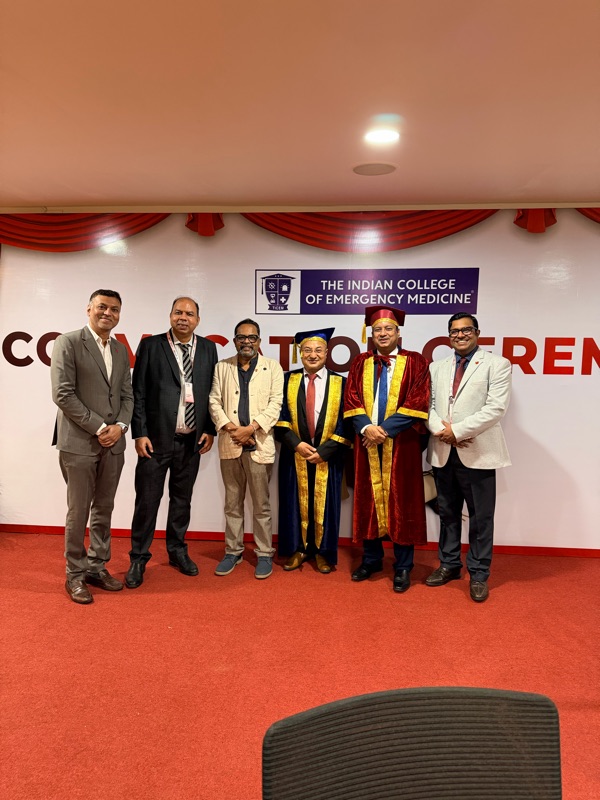
 * Convocation: A significant milestone was the convocation ceremony for fellowship students in Neuro Emergency and Clinical Toxicology, marking the next generation of specialists in these critical fields.

4. Personal Contributions and Acknowledgments

I leave Madurai with a heart full of happiness and gratitude for the opportunities entrusted to me by Dr. Jena and the committee. My personal milestones during the WRC included:

 * Leadership Roles: Serving as the Vice Chairman of the Organizing Committee and Director for the Airway and Ventilation workshops.

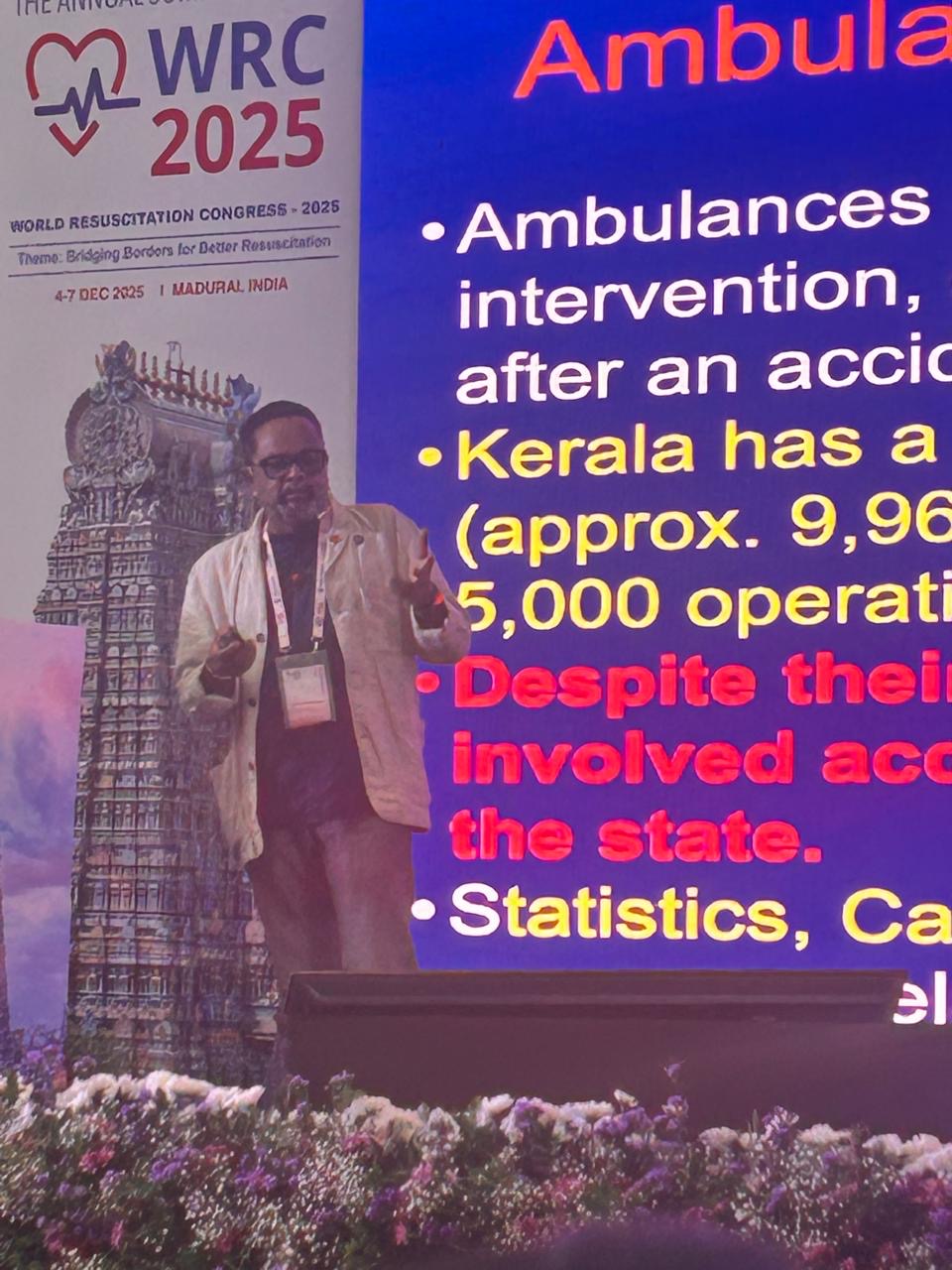
 * Speaking Engagements: I had the privilege of being the Opening Speaker in the main hall, delivering a talk on “Emergency Vehicle Involved Accidents and Consequences,” which was well-appreciated by the audience.

 * Ceremonial Duties: Facilitating the workshop inauguration session and the Convocation ceremony.

Awards and Recognition:

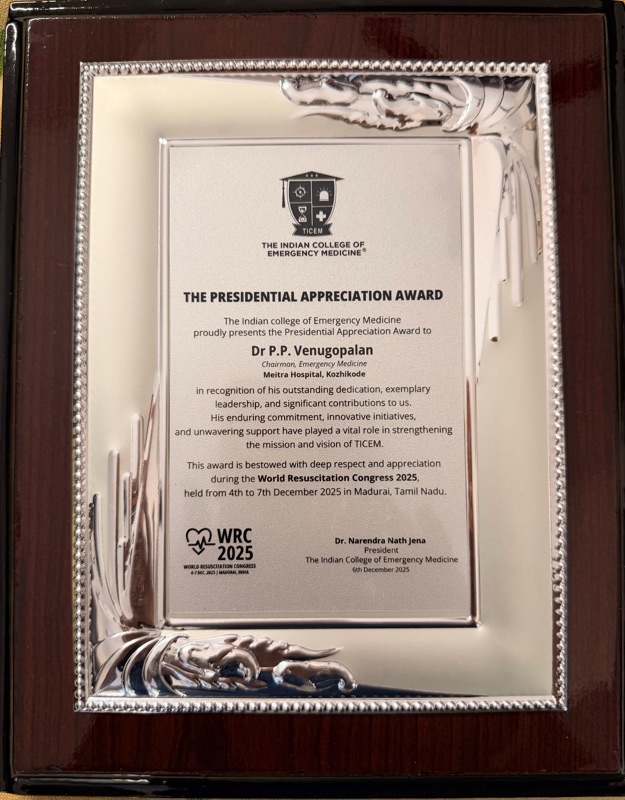
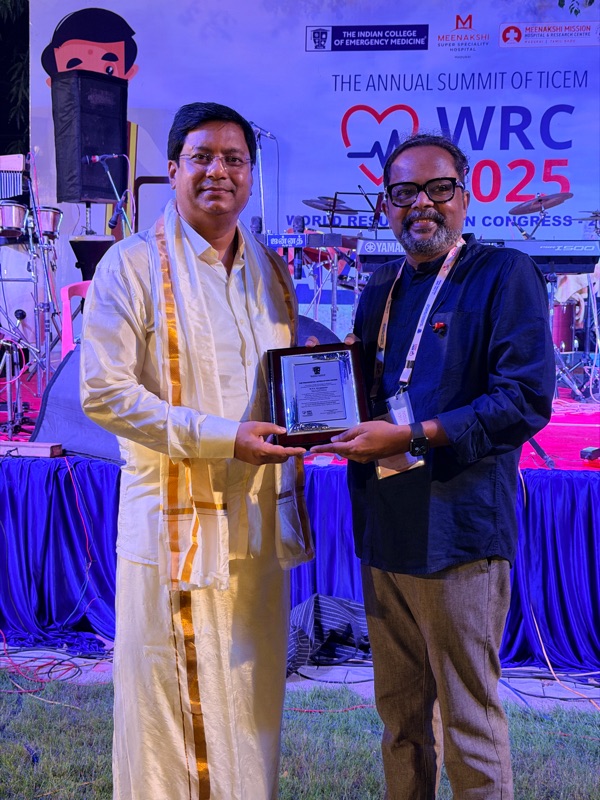
The highlight of my professional participation was being honored by the Indian College of Emergency Medicine with the prestigious Presidential Special Appreciation Award during the banquet. I am deeply humbled by this recognition.


5. Resilience in the Face of Challenges

The event was not without external challenges. The ongoing air travel disaster involving Indigo services resulted in many speakers and delegates being clogged up in various airports. However, the resilience of the organizing team shone through; they managed the schedule and logistics remarkably well, ensuring the congress proceeded smoothly despite these disruptions.

6. Hospitality

The hospitality provided by Dr. Jena and his team was unforgettable. The faculty dinners were memorable, and the colorful banquet served as a perfect social highlight, fostering camaraderie among the delegates.

Conclusion

The WRC 2025 was a triumph of organization, academic depth, and hospitality. It stands as a testament to Dr. Narendra Jena’s hard work and vision. I wish Dr. Jena continued happiness and health in his personal and professional life, and I pray he continues his invaluable service to the nation.


The future of Critical Care Transport is here, and it's no longer just about speed. 🚨

  Recent advancements in inter-hospital transport of critically ill patients (2023–2025) emphasize a shift from simple "speed of transi...