Dr.Venugopalan.PP: Medical graduate of Govt. Medical College Calicut. Postgraduation Anaesthesiology and Emergency Medicine.Chair &; Lead Consultant in EM at Meitra Hospital, Professor EM at MMC, Regional Faculty AHA, Formerly Expert Committee member KRSA , Director Aster MIMS &Deputy Director MIMS Academy, Founder and Executive Director Angels International Foundation and Trust.Master Trainer in World Guinness CPR Training.Spouse Dr.Supriya; Blessed with Dr.Neethu and Dr.Kamal
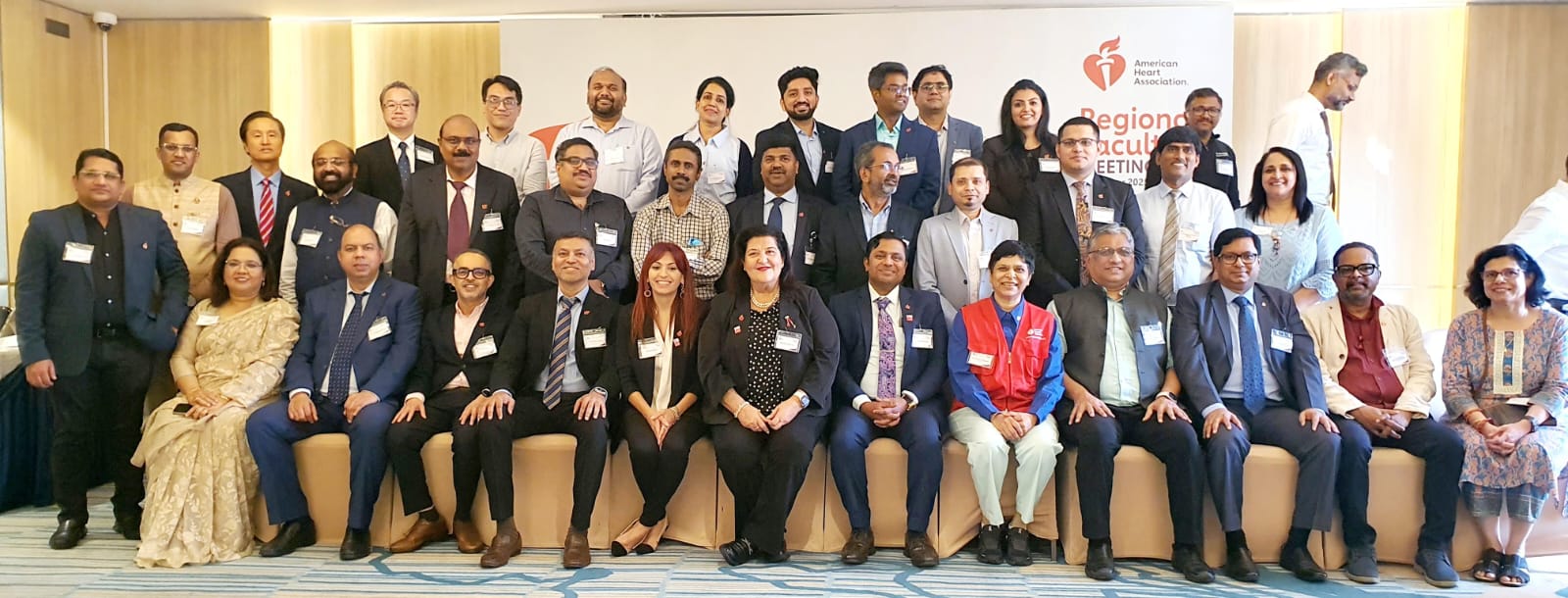
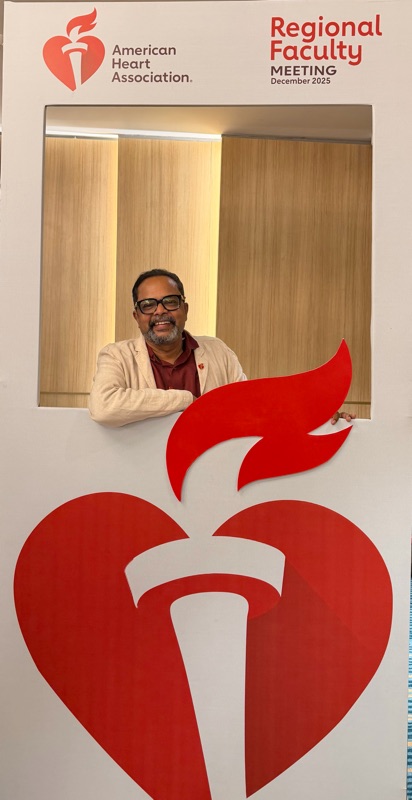
I wanted to take a moment to express my heartfelt gratitude for the incredible one-and-a-half days we spent together at the Park Inn for the AHA 2025 Guidelines Rollout on Dec 2nd and 3rd.
The event was truly outstanding—from the amazing hospitality to the well-contented scientific sessions and the thought-provoking discussions that followed. But beyond the academics, it was the "extra-curricular" moments that carved this meeting into my heart forever.
The pre-meet faculty gathering in Srimon’s room set the tone, followed by an unforgettable Day 1 "Funky Music Night"—transitioning from the soulful melodies of Rafi Sahib to ground-breaking fast rhythms, accompanied by great food and beverages.
A special mention to the homely evening party at Sachin’s home on the last day. Meeting Sachin’s father was a touching highlight that added such a sweet, personal layer to the trip.
A massive thank you to Marida, Sachin, Biswas, Srimon, Anoop, and our “shy” movie producer for making this happen.
I am leaving Trichur not just with a bag full of special keepsakes (the AHA pin, pen, diary, and even that lovely carry bag!), but with a heart full of memories and a mind full of new thoughts.
Thank you all for making this RF meeting outstanding.
IMACON 2025, the Kerala State IMA Conference, held at the Malabar Marina Convention Centre, Calicut, on November 8th and 9th, 2025, was a truly memorable and well-organized event.
With more than 3,500 delegates from across Kerala, the conference radiated excellence in every aspect — from its elegant venue and flawless audiovisual arrangements to the spectacular food, smooth transport facilities, and a breathtaking banquet on the banks of the serene Chaliyar River.
The event also showcased a beautifully arranged trade fair, with creative engagements for spouses and children, including live caricature sessions and art corners.
Scientific deliberations were held across three halls, marked by remarkable coordination, quality content, and disciplined conduct. The conference kit and the official functions stood out for their attention to detail and grace — a true reflection of the dedication of the organizing team led by Dr. V. G. Pradeep Kumar, Dr. Aneen Kutty, Dr. Venugopalan B, Dr. Sankar Mahadevan, Dr. Sandhya Kurup, Dr. Roy R. Chandran, and many others whose tireless work made IMACON 2025 a grand success.
From the Preview at the IMA Hall
The Memorial Service – A Tribute of Love and Devotion
Opening remarks
I had the honor of serving as the Chairman of the Memorial Service Committee, entrusted with curating and presenting the most prestigious segment of the IMA State Conference — the Memorial Service.
It was not just a task; it was an act of devotion, an offering of gratitude to our departed colleagues — 110 doctors who left us in the past year.
Each name carried a story, a legacy, and a lifetime of service. The process of collecting, compiling, scripting, dubbing, and editing their biographies into a single emotional narrative was indeed a herculean effort, but one that I pursued with utmost passion, reverence, and care.
Scribbled scripts
This emotionally charged project was supported by a dedicated team — Dr. Baby Supriya, Mr. Mithun Sasi, Dr. T. P. Naser, Dr. Dhanya P. G., Dr. Madhavan Nambiar, Dr. K. V. Raju, Dr. Jithin, Dr. Sheeba, and several others who ensured that every detail was handled with accuracy and respect.
Ms. Nishwa helped me relentlessly in data collection from multiple IMA branches across Kerala.
The dubbing was gracefully done by Mr. Bobby C. Mathew (Senior Artist, All India Radio) and Mrs. Nisha M. Nambiar, whose sincere and heartfelt voices gave life to the script.
Amidst his hectic schedule, Dr. V. G. Pradeep Kumar also recorded a deeply moving introduction for the program, titled “Saphalamee Yathra” — a name that beautifully captured the spirit of fulfillment and service.
The team at UNITY Studio, Calicut, led by Mr. Biju, worked day and night for an entire week, completing the post-production and editing process with remarkable dedication. We conducted two preview sessions to ensure perfection before the final presentation.
Special thanks also to Dr. Mithun Sasi for coordinating the video shoots from Beach Hospital, adding a genuine and personal touch to the film.
A Journey Through Emotion and Realization
What began as a formal task soon transformed into a profound realization — the contributions of our predecessors are immense and immeasurable.
As I delved deeper, it became evident that many of our departed colleagues were from the Kerala Government Health Services, and a significant number had passed away prematurely.
This revelation added even more weight to the responsibility I carried.
Beloved Cheriyamma
On a personal note, this period tested my emotional resilience in unimaginable ways.
My beloved Cheriyamma, who was more than a mother to me, passed away just a day before the memorial program.
I arrived at the venue after completing her funeral — even before the flames in the furnace had subsided.
She had once saved my life when I nearly drowned during my MBBS days and cared for me tenderly throughout my childhood.
As fate would have it, the closing visuals of the memorial video — scenes of farewell and remembrance — mirrored the very emotions I was living through.
The presentation that evening was not just a tribute; it was a deeply personal act of love and grief.
This photo was taken during this onam when we visited her
The sorrow intensified as I honored the memories of my great mentors and teachers —
Dr. P. C. Esaw, Dr. K. C. Rajagopal, Dr. Badran, and Dr. George Itty —
and most painfully, my dear friend and classmate, Dr. Krishnakumar P.
Each name spoken was a heartbeat remembered, and each frame edited carried a prayer.
Obituary note on Krishnakumar P
The Imperfect But Honest End
Despite my repeated verifications and endless nights of cross-checking, I later discovered that one doctor from the IMA Punoor branch had been inadvertently omitted from the final compilation.
It remains a mystery how it escaped, though the data was personally handed over in writing.
To this day, I have no explanation — only deep regret and heartfelt apologies for that unintentional omission.
Closing Thoughts
The IMACON 2025 Memorial Service was not just a segment of a conference —
it was a spiritual journey through memory, gratitude, and loss.
It taught me that remembrance is not just about mourning the departed,
but about celebrating lives that continue to inspire us long after they’re gone.
It was my honor to lead this tribute —
and though the days were heavy with emotion,
the experience reaffirmed my belief that compassion and memory are the truest forms of healing.
To set up a Trauma Code in an Indian multispeciality hospital, guidelines draw on national standards from the Ministry of Health and Family Welfare (MoHFW) and the National Health Systems Resource Centre (NHSRC), as well as international protocols such as ATLS (Advanced Trauma Life Support). The following components should be included:
Infrastructure and Facilities
The hospital must designate a Trauma Resuscitation Area (Red Zone) and Treatment Areas (Yellow Zone) compliant with the Government of India’s operational guidelines for trauma centers.
The resuscitation bay should be equipped for airway control, ventilation support, circulation monitoring, IV access, and rapid transfusion.
Facilities for radiological imaging, surgical procedures, and ICU-level care must be accessible within minutes of activation.
Trauma Team Activation (Trauma Code)
Develop a tiered response system (e.g., Level 1 for major trauma, Level 2 for moderate injury) similar to international trauma activation models.
Activation criteria include:
Systolic BP ≤ 90 mmHg
Respiratory rate <10 or >29/min
Glasgow Coma Scale ≤ 10
Major penetrating injury (neck, chest, abdomen)
Limb amputation above elbow or knee
Multisystem trauma or physician discretion.
Trauma Team Composition
A typical Level 1 Trauma Code activation team should include:
ED physician (preferably ATLS certified)
General surgeon
Orthopedic surgeon
Anesthetist
Two emergency nurses
Radiologist and technician
Laboratory technician
Respiratory therapist
Security and social services for crowd/support management.
Document pre-alert information—mechanism of injury, time of incident, treatments given, GCS score, estimated time of arrival.
Ensure handover documentation and imaging follow the patient through departments.
Training and Quality Assurance
All trauma team members must be trained in ATLS, NTMC, or EMTC.
Conduct mock drills and review of trauma activations to improve response times and outcomes.
Regular audits on activation times, mortality rates, and compliance with SOPs form part of quality improvement programs.
Integration with National and Local Systems
The hospital’s trauma code should align with the National Trauma Care Programme and Hospital Safety Guidelines under NDMA to ensure disaster preparedness and surge capacity.
Establish communication protocols with local ambulance services following AIS-125 National Ambulance Code categories.
In essence, a trauma code system in India requires structured activation criteria, a multidisciplinary team, defined infrastructure, and adherence to national and ATLS-aligned protocols for effective emergency trauma management.
Building a Safer Community through Emergency Medical Training
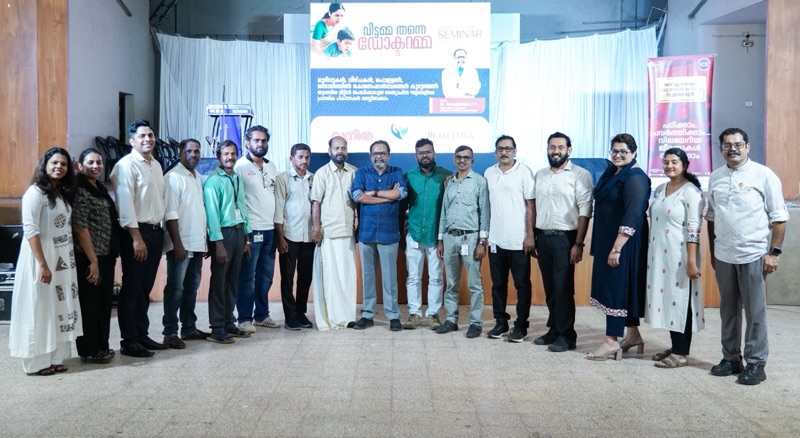
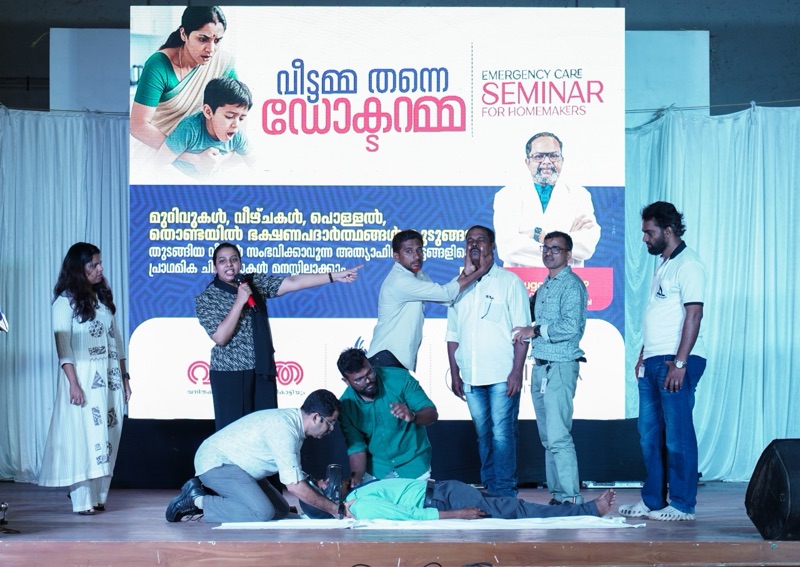
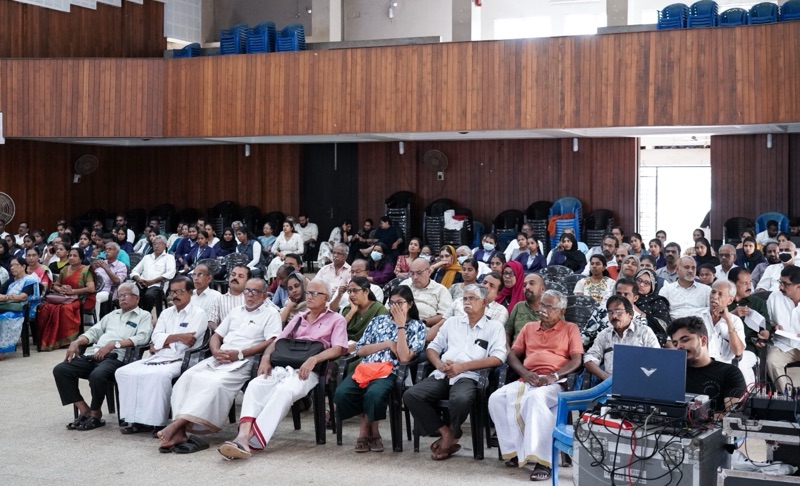
At Vadakara, an inspiring initiative took shape today as Meitra Hospital Emergency Department, Malayala Manorama Vanitha magazine, and Angels International Foundation collaborated to conduct a comprehensive seminar-cum-workshop on emergency medical care.
A Vision with Purpose
The program was inaugurated by Mr. P. P. Rajan, Executive Director of Angels, who emphasized the importance of community empowerment in medical emergencies. His words set the tone for a day filled with practical learning, meaningful interaction, and life-saving skill development.
Life-Saving Skills in Focus
The workshop focused on equipping participants with essential skills required to respond effectively in critical situations:
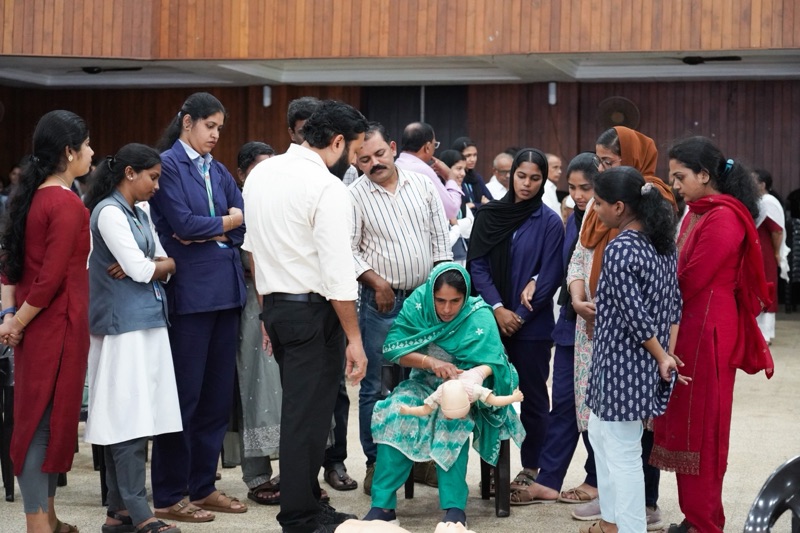
Sudden collapse management with hands-only CPR
Airway obstruction in adults and children
Trauma care techniques such as safe transport, log roll, and helmet removal
Emergency recognition and response in stroke (brain attack) and heart attack
First aid measures for drowning, burns, electrocution, snake bites, dog bites, and other household emergencies
A Community That Cares
With 200+ registered participants, the event witnessed overwhelming community participation. The sessions were interactive and dynamic, filled with insightful discussions and practical demonstrations.
I had the privilege to lead the workshop in my capacity as Chair & Senior Consultant, Emergency Medicine, Meitra Hospital, supported by an outstanding team of doctors:
Dr. Mohamed A
Dr. Yumina Perikutty
Dr. Lavina
Dr. Irene
Dr. Sharif
Dr. Kavya
The ANGELS volunteers played a vital role in facilitating the hands-on training at each workstation, ensuring every participant had an opportunity to practice the skills taught.
Recognizing Efforts and Inspiring Change
To encourage active engagement, Vanitha magazine presented awards to the best participants, making the experience both rewarding and memorable.
The Road Ahead
This initiative is not just a one-time workshop but part of a structured three-year training program aimed at building community resilience in medical emergencies. Our collective mission is clear: empower every individual with the knowledge and confidence to save lives when every second counts.
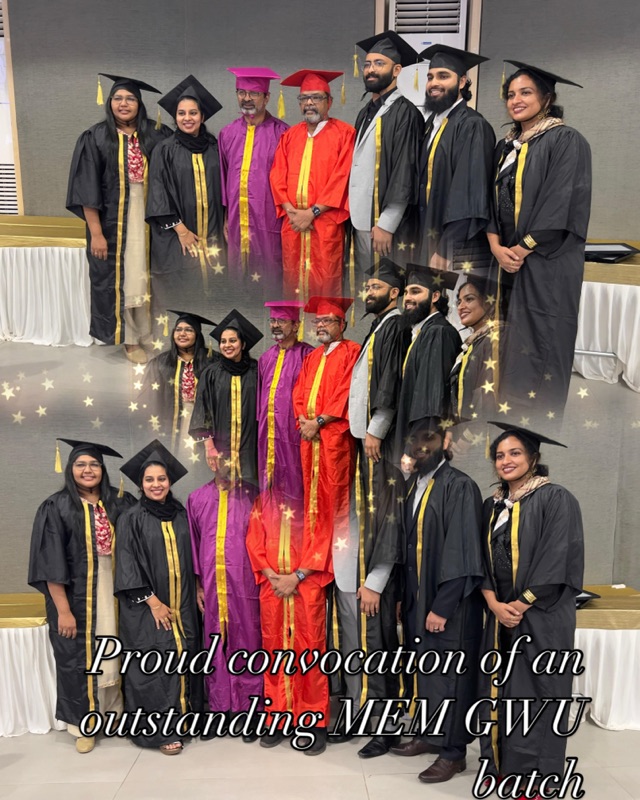
Convocations are always among the happiest moments in the life of a doctor. For the graduating student, it is the culmination of years of sleepless nights and hard work. For the family, it is a proud celebration of sacrifice. For the mentors, it is the most rewarding moment—to watch their protégés take flight into the world.
Yesterday , I had the privilege of addressing yet another convocation of the Masters in Emergency Medicine (MEM) residents under the George Washington University program. This was not just another ceremony for me—it was deeply personal.
Back in 2007, Aster MIMS Calicut became the first institution in India to begin a formal international Emergency Medicine training program, in collaboration with GWU. This was even before the Medical Council of India formally recognized Emergency Medicine in 2009. Over the last two decades, I have been blessed to mentor and graduate hundreds of residents through this pathway. Today, more than 500 of our graduates are working across the globe—many in the UK, GCC, and beyond—serving with distinction as emergency physicians.
And yet, there is an irony. Despite its proven quality and global recognition, the GWU MEM program does not have formal recognition in India. This paradox was strongly felt as I convocated this extraordinary batch—perhaps my last convocation at Aster, and certainly one of the most special. These residents were passionate, resilient, and beyond exceptional. Their training was rigorous, their commitment unparalleled, and their spirit inspiring.
But while the joy was immense, the realities we face cannot be ignored. Opportunities for MEM graduates are shrinking. Hospitals increasingly prefer candidates with NMC-recognized qualifications. Even the traditional pathway of supplementing MEM with MRCEM and working in the UK has tightened in recent years. Despite their outstanding skills, many of our graduates are forced to prove themselves repeatedly, sometimes practicing under the shadow of only their MBBS degree.
It is here that I feel the role of the university is crucial. George Washington University, which has produced thousands of medical postgraduates worldwide, must now take proactive steps in India. Establishing an Indian campus, directly with the National Medical Commission, and seeking recognition for programs like MEM is not just important—it is necessary. Without it, the future of high-quality training of this kind in India is uncertain.
As I reflect, I feel both pride and concern. Pride, because I have been part of this journey for nearly two decades, witnessing how Emergency Medicine in India grew from being almost invisible to becoming a respected specialty. Concern, because without bold action, the next decade may not carry the same promise for our trainees.
To my graduating residents, I can only say this: the certificate you hold is a symbol, but your skills, knowledge, and compassion are the real degree. No recognition can take that away from you. You have proven yourselves beyond paper credentials. Wherever you go—in India, the UK, the Gulf, or anywhere in the world—your commitment to saving lives will speak louder than any title.
This convocation was a celebration, but also a call to action. A reminder that while we must cherish the joy of today, we must also build stronger foundations for tomorrow.
To my students: You are not just doctors. You are guardians of life. Carry the torch of Emergency Medicine with courage, humility, and passion. The world needs you—now more than ever.
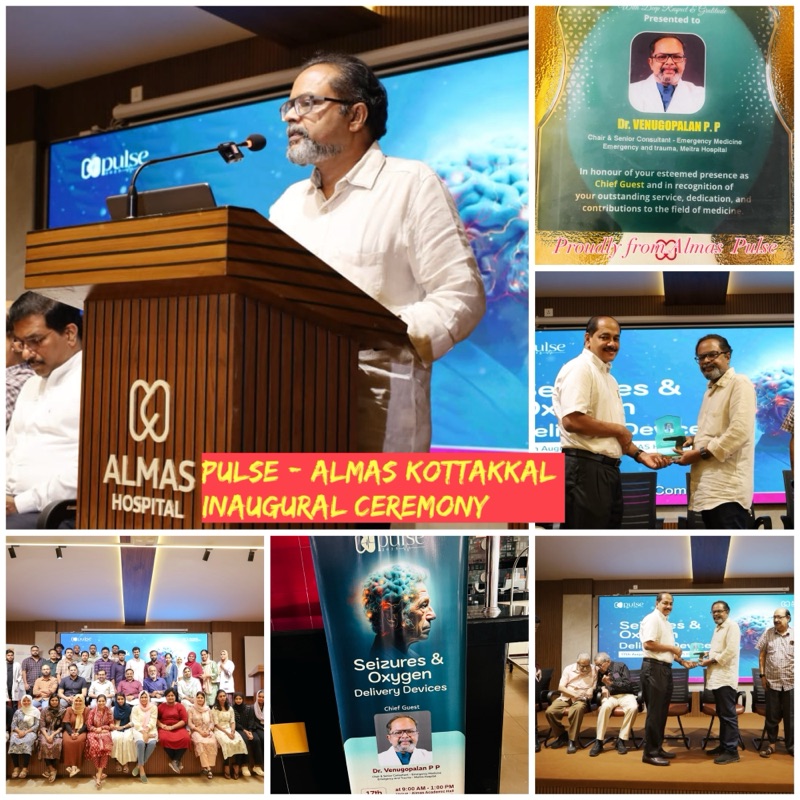
Empowering Young Doctors: Launch of PULSE at Almas Hospital, Kottakkal
I had the honor of being invited as the Chief Guest for the inaugural ceremony of the Young Doctors Network – Pulse, hosted by one of Kerala’s most reputed healthcare institutions, Almas Hospital, Kottakkal.
Almas Hospital has an inspiring journey of growth under the visionary leadership of Dr. Kabeer, the Chairman, who began with a small clinic in Kottakkal and nurtured it into a 400+ bedded hospital with modern facilities. What makes Almas remarkable is its unwavering commitment to ethical medical practice—standing tall outside the grip of global corporate networks and consciously distancing itself from unethical ambulance-linked practices.
As I step into my second innings with a focus on rural emergency medicine, I reflected on my own journey. Having left anesthesia in 2006, my mission has been to develop emergency medical care systems—a dream that is now a reality across most urban hospitals in India. But today, the need is to extend this empowerment into rural healthcare systems, where early recognition, stabilization, and timely referral can save countless lives.
The Pulse initiative aims to empower young doctors with the skills to manage medical and surgical emergencies and, most importantly, to make timely referrals with the right stabilization measures. In my inaugural address, I recalled the tragic death of Dr. Vandana Das, an intern who was fatally stabbed by a psychotic patient in a district hospital casualty a few years ago. Despite being referred and intubated, she succumbed to a pneumothorax during transport. This devastating incident highlights how critical decisions and timely interventions could prevent avoidable loss of life.
I emphasized the importance of “Ten Critical Skills Training” and red-flag-based training modules to equip young doctors in rural settings. Such training not only enhances their confidence but also strengthens the safety net for patients across our healthcare system.
The event witnessed the participation of over 75 young doctors, brimming with enthusiasm and dedication. A special highlight was the recognition and honoring of three pioneers of modern medicine in Kottakkal—Dr. Balachandran, Dr. Poolakundan Mohammed, and Dr. Murali Menon. This gesture filled the session with a profound sense of positivity and respect for the legacy of medical service in the region.
My heartfelt thanks to Mr. Suhas Pola, CEO of Almas Hospital, and his dedicated team for organizing such a meaningful and well-executed event. It was not just a gathering but the beginning of a movement to empower the next generation of doctors with the vision and tools to reshape emergency care in rural India.


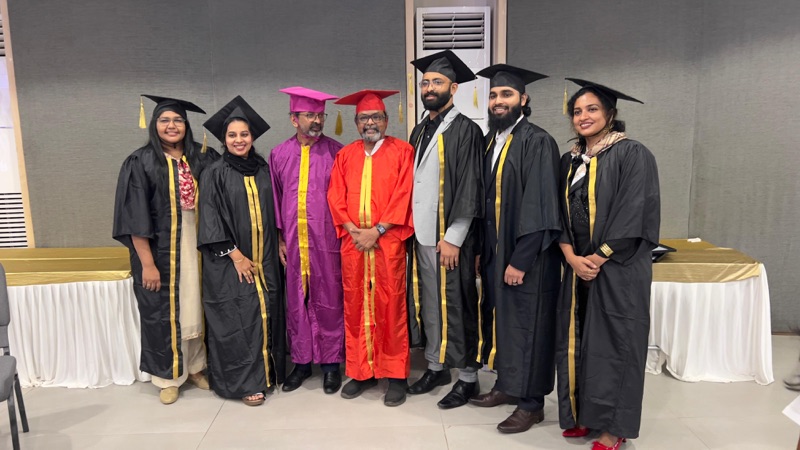 A Convocation of Pride, Joy, and Reflection